





































Loading…
Loading…
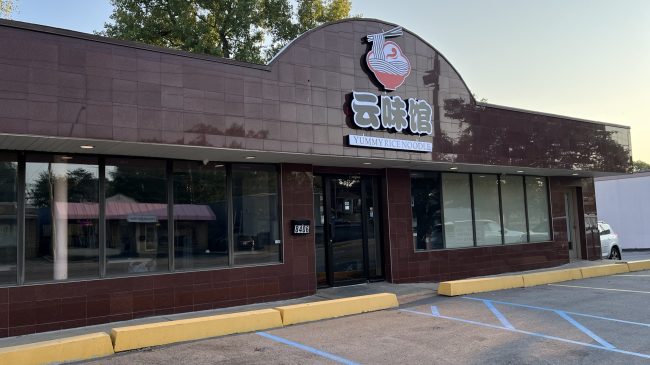
Authentic Vietnamese cuisines in Fairview Heights, IL
A late night bar in St. Louis since 1951
A Fine-Dining Mexican Restaurant in Creve Coeur, MO
Serving the West County Community Since 1969
Weekend or Extended Stay Loft Apartment Accommodations
Highest Rated Deli Restaurant Downtown St. Louis, MO
Google Rating of 4.7 Stars and dating back to 1968
The only 5 Star Google Rated Burgers Joint in St. Louis
Highest-Rated Mexican Restaurant in St. Louis by TripAdvisor
Wood-fired light & crispy pizza - Open for dine-in, takeout, and delivery
Chimi's Fesh-Mex Servers Authentic Mexican Cuisine.
Chimi's Fresh-Mex Serves Award-Winning Mexican Cuisine
Dos Primos Mexican Restaurant in Bowling Green serves authentic Mexican cuisine.
Dos Primos Mexican Restaurant serves authentic Mexican cuisine
Casa del Maiz in St. Peters, Missouri, delivers a bold and modern take on Mexican cuisine
El Maguey Mexican Restaurant in St. Charles serves authentic Mexican cuisine.
El Maguey in O'Fallon Serves Authentic Mexican Cuisine
El Maguey Mexican Restaurant Serves Authentic Mexican Cuisine
El Maguey Mexican Restaurant in St. Peter's, MO
El Maguey serves authentic Mexican cuisine to Wentzville
Best Mexican Restaurant in Weldon Spring
Serving Mexican Food to the St. Peter's Community
801 Local — Modern American Dining in the Heart of Frontenac
Offering Sales Tax Compliance & Resolution - Peace of Mind
Personalized Financial Guidance with a Local Focus
A full-service medical facility serving patients throughout West St. Louis County
St. Louis County Government Office in Clayton, Missouri
Ballwin, MO - Established 1837, incorporated on December 29, 1950
St. Louis’s most prominent global financial services companies
A National Financial Services Firm with Deep Roots in St. Louis
Comprehensive, Patient-Centered Care on North New Ballas Road
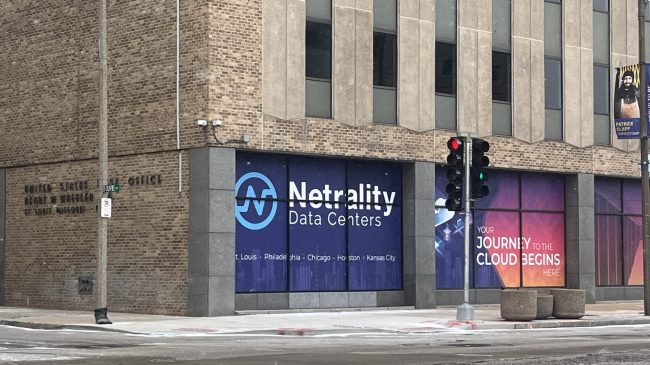
A Critical Infrastructure Hub Powering the Digital Economy
A Restaurant Online Ordering System with Marketing to Expand Online Sales
A upscale Mediterranean Restaurant in Chesterfield, MO
Goodwill Store and Donation Center – Forum Plaza - Chesterfield, Missouri
Soldiers Memorial Military Museum stands as one of the city’s most powerful and meaningful landmarks
Serving and Protecting the City of St. Louis Since 1808
Cathedral Basilica of Saint Louis – A Timeless Landmark of Faith and Art
Barnes-Jewish Hospital – Leading Healthcare Destination in St. Louis
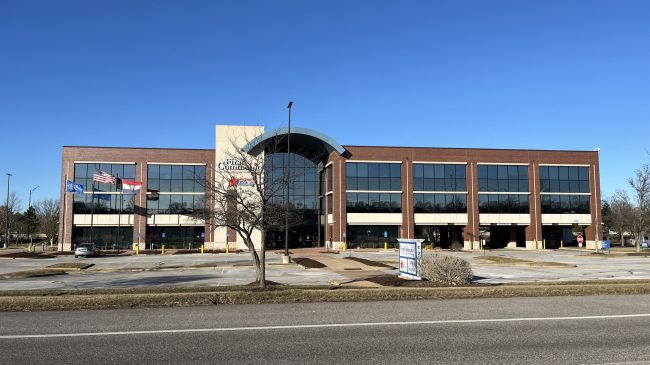
First Community Credit Union headquarters in Chesterfield, but serves the St. Louis region.
NGA is a combat support agency within the United States Department of Defense
The United States Federal Courthouse in St. Louis, MO.
Ameren Corporation – Powering Communities Across the Midwest
St. Louis City Hall – The Heart of Civic Leadership on Market Street
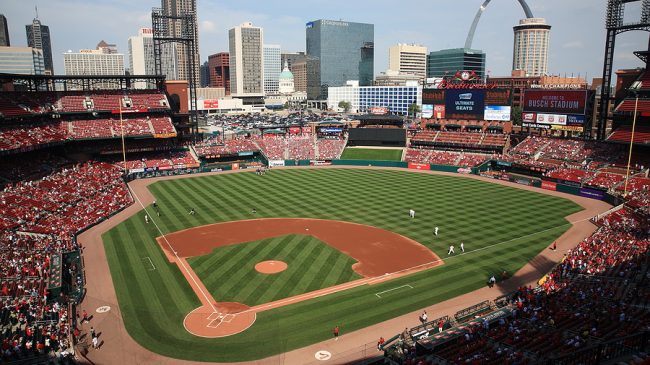
Ballpark Village - The Ultimate Entertainment District in St. Louis
Professional Agency Offering All Lines of Insurance
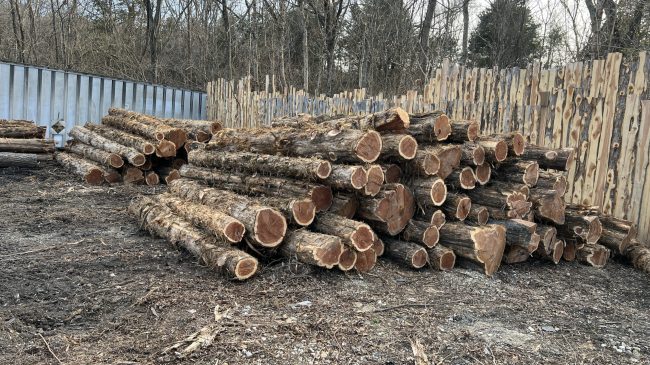
Offering Eastern Missouri Red Cedar Wholesale or Retail
Award-winning Mexican cuisine available for breakfast, lunch and dinner.
Locally-owned Mexican Food Supplier and Distributor
A new bar and grill with a Thai twist comes to O'Fallon, IL.
Dos Primos Mexican Restaurant has served the community since 2004.
<
>
Navigation
<
>
Sponsored


26 October 2026

City Foundry STL Eyes Major Midtown Expansion
ST. LOUIS, MO – October 26, 2026 (StLouisRestaurantReview) City Foundry STL is continuing to establish itself as a major commercial and entertainment destination in Midtown St. Louis, with new restaurants, family attractions, plans for additional office development, and a proposal that could influence the future of the historic Armory building across Interstate 64. The mixed-use development at 3730 Foundry Way has become an important example of industrial redevelopment in St. Louis. Built within the former Century Electric industrial complex, City Foundry combines dining, retail, entertainment, and office space while preserving elements of the property’s manufacturing history. Recent developments include Source: Read Original Article
26 October 2026

Chevys Fresh Mex Closes In Olivette After 30 Years
OLIVETTE, MO – October 26, 2026 (StLouisRestaurantReview) The St. Louis restaurant community is saying goodbye to another familiar dining destination after Chevys Fresh Mex closed at 9119 Olive Boulevard in Olivette, Missouri. The longtime Mexican-inspired restaurant closed Sunday, October 25, 2026, ending more than three decades of serving customers along one of the region’s established commercial corridors. The closure marks the end of an era for customers who associated the restaurant with sizzling fajitas, freshly prepared tortillas, chips and salsa, margaritas, and casual gatherings with friends and family. For many St. Louis-area residents, Chevys was more than another Source: Read Original Article
26 October 2026

Tallahassee Mass Shooting: Police Arrest Teen
A 15-year-old faces 11 attempted murder charges after gunfire near Florida A&M University injured 12 people, including six juveniles, during homecoming weekend. TALLAHASSEE, FL – October 26, 2026 (STL.News) Tallahassee police have arrested a 15-year-old boy in connection with a mass shooting near Florida A&M University that injured 12 people, including six juveniles, following the university’s homecoming football game Saturday evening. The Tallahassee Police Department identified the suspect as Anthony Rivers III, who was arrested Sunday, October 25. Police announced Monday that Rivers faces 11 counts of attempted second-degree murder and one charge of possession of a firearm by Source: Read Original Article
26 October 2026

DOJ Details 48 Noncitizen Election Crime Cases
WASHINGTON, D.C. – October 26, 2026 (STL.News) The U.S. Department of Justice announced federal criminal charges Monday involving 48 non-U.S. citizens across five states, alleging unlawful voting, fraudulent voter registration, false claims of American citizenship and related election offenses. The announcement identifies defendants in California, Pennsylvania, Florida, New York, and Nevada. According to federal prosecutors, some individuals allegedly voted in multiple federal elections despite lacking U.S. citizenship, while others allegedly provided false information on voter registration forms or during the naturalization process. The cases span several election cycles, including the 2020, 2022, and 2024 elections, and include allegations of Source: Read Original Article
Get Listed in the St. Louis Business Directory
Grow your local visibility with a professional business listing on STL.Directory. Join the St. Louis Business Directory to showcase your services, website, contact information, location, business hours, photos and more to potential customers searching for local businesses.