
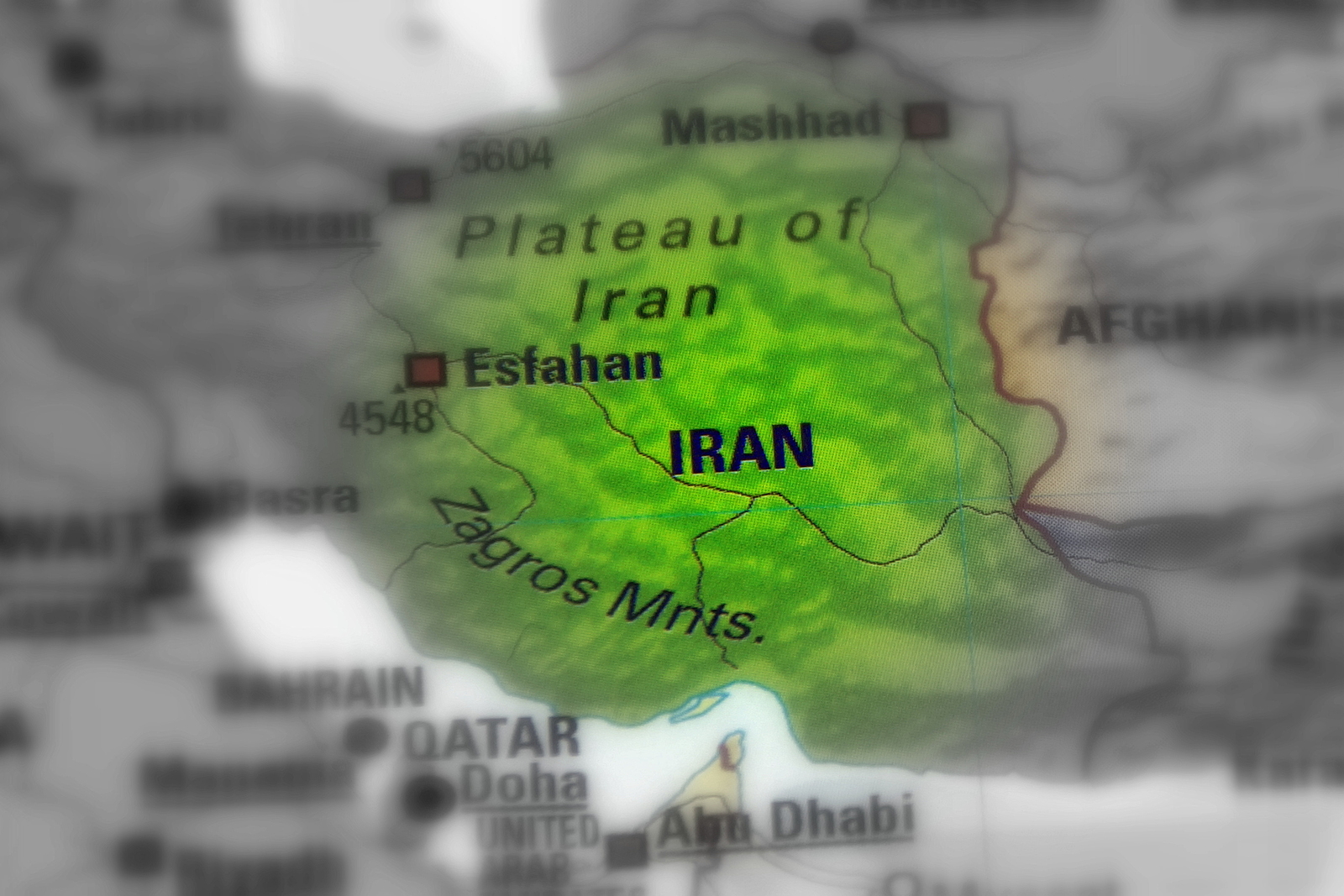
The ongoing diplomatic talks between the United States and Iran signify a critical moment in a complex geopolitical landscape, marked by a long history of tension and conflict. As both nations engage in dialogue, their military presence in the region remains enhanced, reflecting a cautious approach to negotiations and signaling the delicate balance between diplomacy and military readiness.
For decades, U.S.-Iranian relations have been fraught with animosity, primarily due to concerns surrounding Iran’s nuclear program, its influence in the Middle East, and its support for various non-state actors considered hostile by the U.S. This animosity reached a peak in 2015 with the implementation of the Joint Comprehensive Plan of Action (JCPOA), an agreement aimed at curbing Iran’s nuclear ambitions in exchange for the lifting of sanctions. However, the U.S. withdrawal from the agreement in 2018 under the Trump administration marked a significant turning point, leading to increased tensions and Iran resuming some of its nuclear activities.
Currently, the Biden administration has sought a return to diplomacy, with both sides expressing an interest in negotiating a renewed deal. Amidst these discussions, the U.S. has maintained a significant military presence in the region. This presence serves both as a deterrent against potential Iranian aggression and a reassurance to American allies in the Persian Gulf, including Saudi Arabia and Israel. The deployment of troops, naval assets, and advanced military technologies underscores the U.S.’s commitment to regional stability while reconciling this commitment with its diplomatic initiatives.
The dual approach of engaging in talks while showcasing military strength illustrates a broader strategy of “diplomatic deterrence.” This strategy aims to create an environment where Iran perceives the benefits of diplomatic engagement as outweighing the costs of continued hostility and military posturing. However, this strategy comes with risks. The presence of military assets can escalate tensions, leading to miscalculations or unintended confrontations that might derail the diplomatic efforts.
Additionally, the negotiations are complicated by various internal and external factors. Domestic pressures within Iran, including economic grievances exacerbated by sanctions, can influence the government’s willingness to compromise. Conversely, the U.S. faces its own political challenges, with bipartisan divisions regarding Iran policy potentially impacting negotiations.
In summary, while diplomatic talks between the U.S. and Iran represent a potential path towards alleviating decades of hostilities, the elevated military presence in the region serves as a simultaneous reminder of the fragile nature of these discussions. Continued engagement, tempered by military readiness, may offer the best chance for a peaceful resolution, allowing both nations to confront shared challenges while fostering an environment of mutual respect and cooperation.
For more details and the full reference, visit the source link below:
Read the complete article here: https://www.stl.news/us-iran-continue-diplomatic-talks-as-military/
