
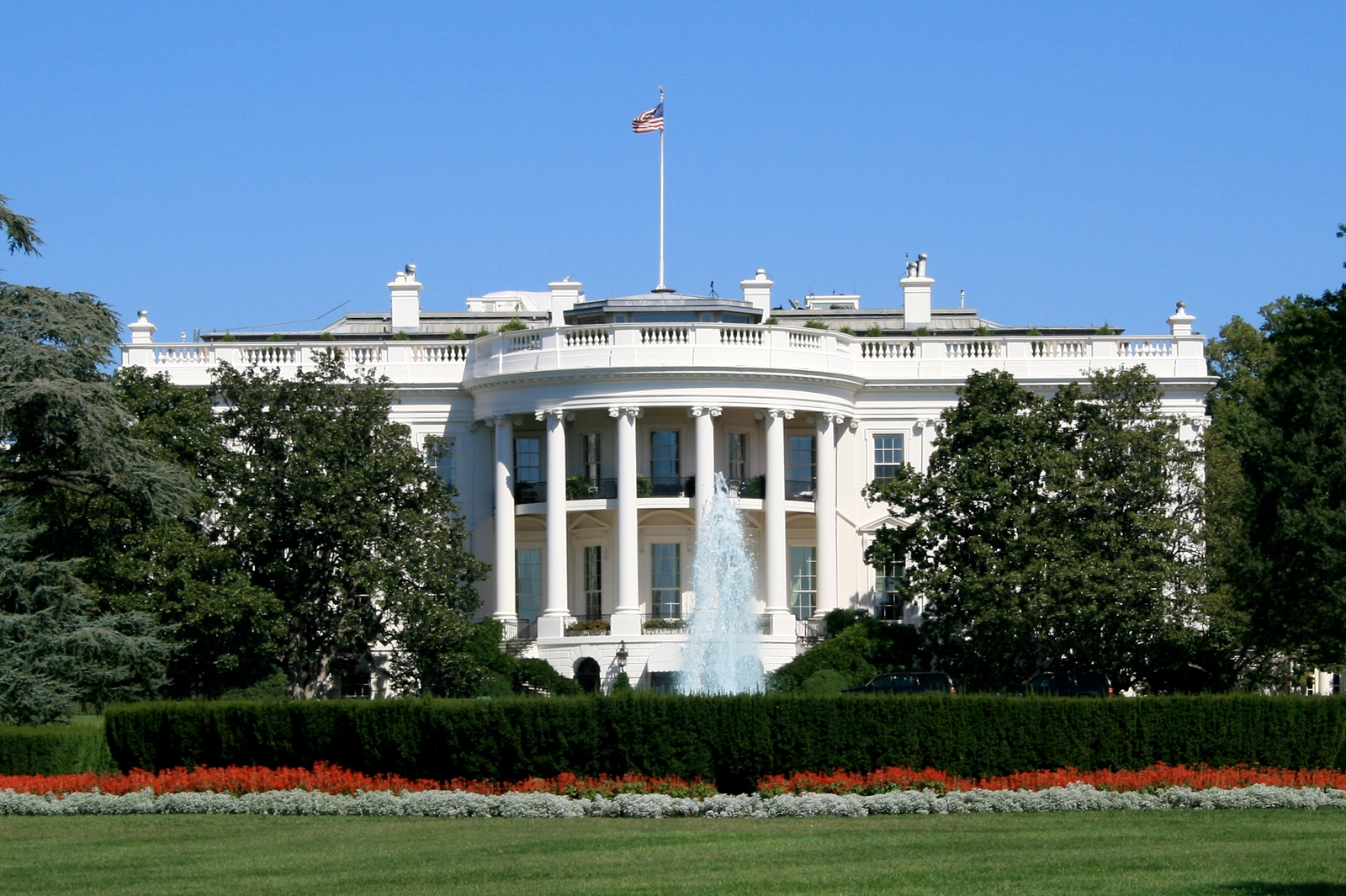
Failing at the Gates: White House Checkpoint Shooting Exposes Systemic Institutional Collapse
In a shocking incident that reverberated through the corridors of power, a shooting at a White House checkpoint has raised alarms regarding the systemic failures within critical security institutions. This incident not only threatens the sanctity of one of the world’s most important political hubs but also underscores a broader narrative of institutional collapse that has been slowly unfolding in the shadows.
On the day of the shooting, security personnel faced a scenario that tested their training, protocols, and, ultimately, their resolve. Reports indicate that the situation escalated rapidly, with officers caught unprepared for a direct threat within the premises. While the immediate response was commendable, questions soon emerged regarding the adequacy of training, the protocols in place, and the overarching security infrastructure designed to protect the nation’s leaders.
This shooting is more than an isolated event; it reflects systemic issues that have been exacerbated by years of budget cuts, mismanagement, and a culture of complacency among agencies tasked with national security. In recent years, funding for critical security measures has been inconsistent, leaving personnel under-resourced and overstretched. The repercussions of these decisions become painfully clear in scenarios like the White House shooting, where the clarity of communication and rapid response can mean the difference between tragedy and averted catastrophe.
Moreover, this incident shines a light on the interconnectedness of various security agencies. When one fails, the effects ripple through the entire system, resulting in a breakdown of trust and efficacy. The shooting at the White House must prompt an introspection within agencies like the Secret Service and Homeland Security. Their challenges are not merely logistical; they encompass issues of morale, training, and accountability.
The political implications are equally profound. This incident has not only laid bare vulnerabilities in national security but also ignited a broader discourse on the balance between civil liberties and the need for stringent security measures. Public trust in institutions is already frail, and such events can easily fuel perceptions of ineffectiveness or, worse, neglect among those accountable for safeguarding citizens and leaders alike.
In conclusion, the checkpoint shooting at the White House serves as a grim reminder of the fragile state of our security institutions. It highlights the critical need for reform—both in terms of policies and in the transformation of institutional cultures. To avert future incidents and restore public confidence, a comprehensive reevaluation of security protocols, training, and funding is imperative. The time is ripe for introspection and action to bridge the gap between aspiration and execution within the guardians of national security.
For more details and the full reference, visit the source link below:
