
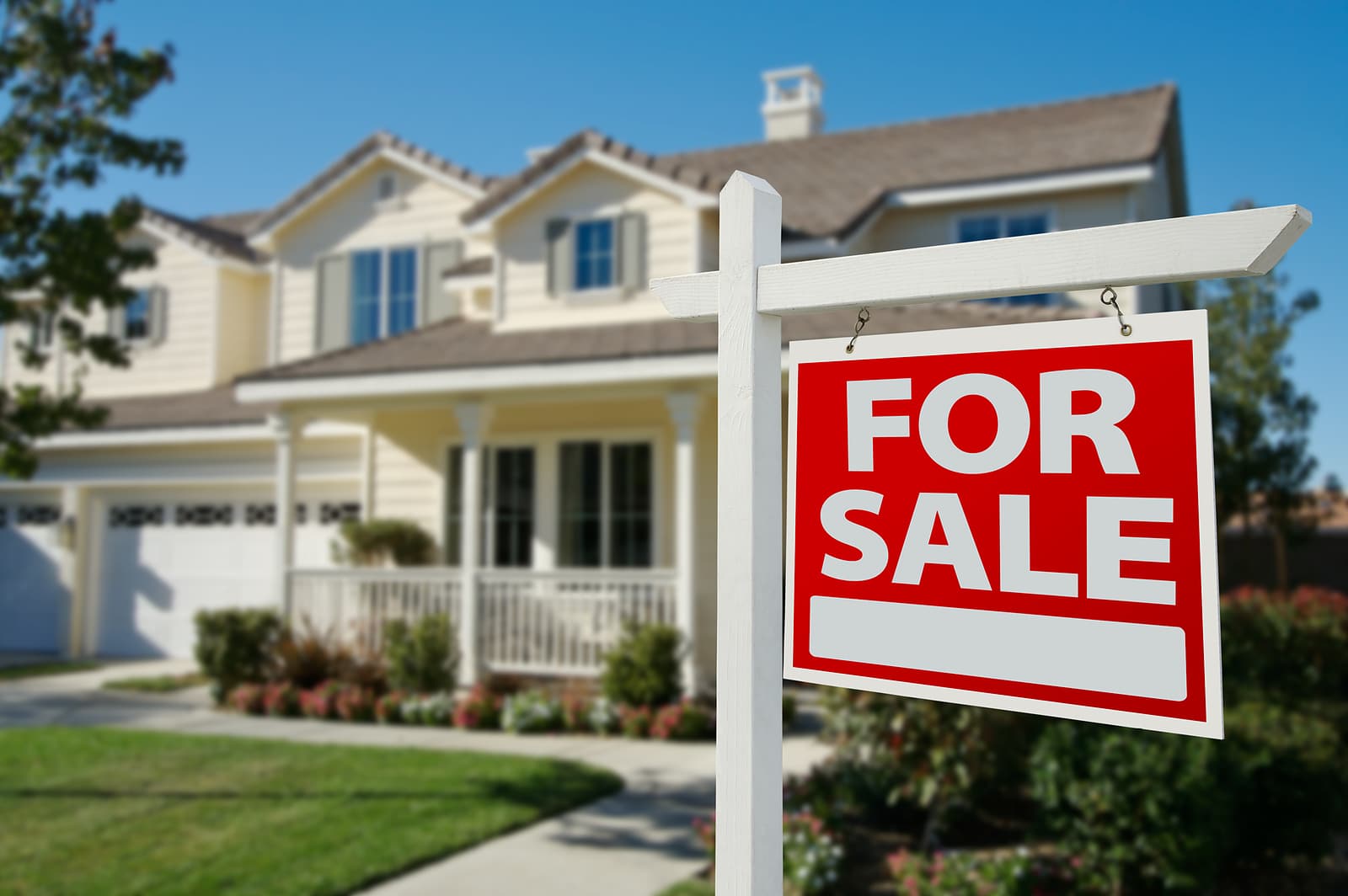
As we head into the latter half of 2026, the U.S. housing market is witnessing a notable shift characterized by a rise in home foreclosures. This trend, observed during the first half of the year, signals a broader normalization of the real estate landscape that had previously been characterized by soaring prices and intense buyer competition.
After a prolonged period of low interest rates and a pandemic-induced housing boom, which saw home values skyrocket and bidding wars become commonplace, the dynamics have begun to stabilize. With the Federal Reserve raising interest rates in an effort to combat inflation, the housing market has felt the strain. Mortgage rates have climbed, resulting in affordability challenges for many prospective homebuyers. As a consequence, the surge in demand has tempered, leading to more balanced market conditions.
The rise in foreclosures can largely be attributed to a combination of factors. First, many homeowners who purchased properties during the height of the market are now finding themselves in precarious financial situations as their adjustable-rate mortgages reset to higher payments. Additionally, inflationary pressures and stagnant wage growth have squeezed budgets, contributing to increased financial strain and, ultimately, delinquencies.
Real estate analysts point out that while the climb in foreclosures may seem alarming, it is relatively mild when viewed in historical context. The foreclosure rates are significantly lower than the peaks observed during the 2008 financial crisis. Nevertheless, the uptick serves as a reminder of the cyclical nature of the housing market. As distress sales increase, both buyers and investors are poised to take advantage of the opportunities that arise from these foreclosed properties.
While potential buyers may be cautious, the increased availability of homes resulting from foreclosures can ease some of the competitive pressures that have long defined the market. This shift could potentially lead to a more sustainable growth trajectory for housing prices moving forward, as the excess of inventory helps restore balance.
For potential buyers, this emerging landscape provides a chance to enter the market with less fear of being outbid. However, it also emphasizes the importance of careful financial planning and understanding the risks involved in purchasing distressed properties.
In summary, the rise in home foreclosures during the first half of 2026 reflects the ongoing normalization of the U.S. housing market. As interest rates and economic conditions stabilize, both buyers and sellers will need to navigate these changing dynamics thoughtfully, ensuring a more balanced and equitable market future.
For more details and the full reference, visit the source link below:
Read the complete article here: https://www.stl.news/u-s-home-foreclosures-climb-first-half-of-2026/
