
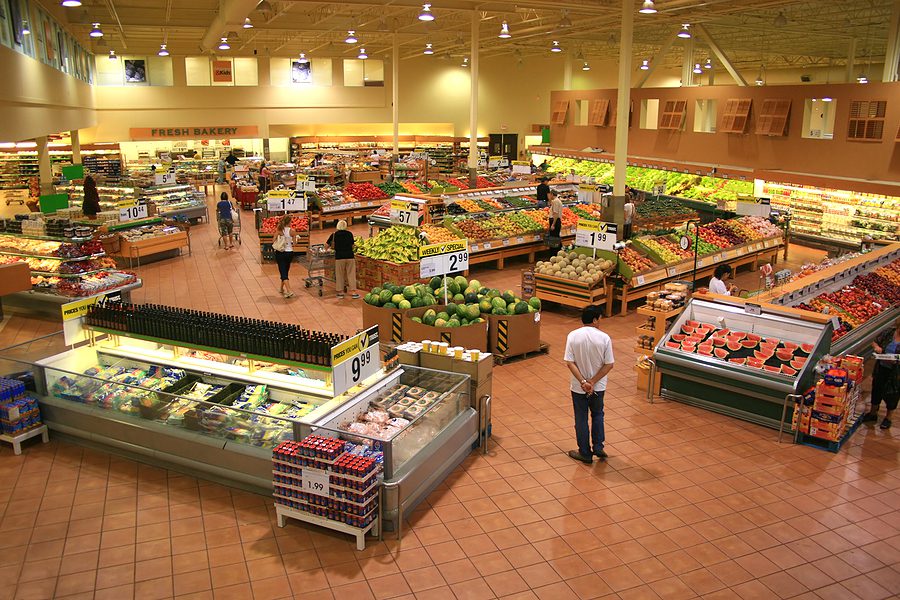
U.S. grocery sales have recently experienced a notable decline, a trend that can be attributed to a complex interplay of inflation and rising consumer debt. As prices for essential goods continue to escalate, many households face the difficult choice of either cutting back on their grocery spending or sacrificing other necessities.
Inflation is one of the primary drivers behind this downward trend in grocery sales. Over the past few years, the U.S. has grappled with rising costs across various sectors, leading to increased prices in grocery stores. Food inflation, driven by supply chain disruptions, labor shortages, and increased demand, has forced consumers to pay more for staples such as dairy, meat, and vegetables. Reports cite that some items have seen price hikes exceeding 10%, making it challenging for households to maintain their previous grocery budgets. For many, this has resulted in a shift toward purchasing cheaper, less healthy options or opting for smaller quantities of essential products.
At the same time, rising consumer debt further exacerbates the situation. As inflation has eroded purchasing power, many Americans have turned to credit to manage their everyday expenses. With mounting credit card debt and high-interest rates, consumers are forced to reconsider their spending habits. The U.S. has seen a significant increase in credit card debt, with many individuals prioritizing payments on existing debts over discretionary spending in grocery stores. This financial strain leads to a more conservative approach to grocery shopping, with consumers becoming increasingly price-sensitive.
As a consequence, grocery sales not only decline in volume but also shift toward discount store chains and bulk-buy warehouses. Consumers are increasingly seeking out deals, promotions, and loyalty programs while becoming less loyal to specific brands or stores. This trend has implications for both consumers and grocery retailers, as businesses must adapt their strategies to cater to this cost-conscious behavior.
The decline in grocery sales is not solely a reflection of diminished consumer interest but rather a reflection of broader economic pressures. Households are not just dealing with higher grocery prices but are also faced with rising costs of housing, transportation, and services. The combination of inflation and increased consumer debt creates a challenging environment where spending cuts become necessary for financial stability.
In conclusion, the drop in U.S. grocery sales can be traced back to the twin challenges of inflation and rising debt levels. As consumers navigate this difficult economic landscape, their grocery shopping behaviors are evolving, pushing retailers to rethink their strategies to meet the changing demands of an increasingly price-sensitive market.
For more details and the full reference, visit the source link below:
