
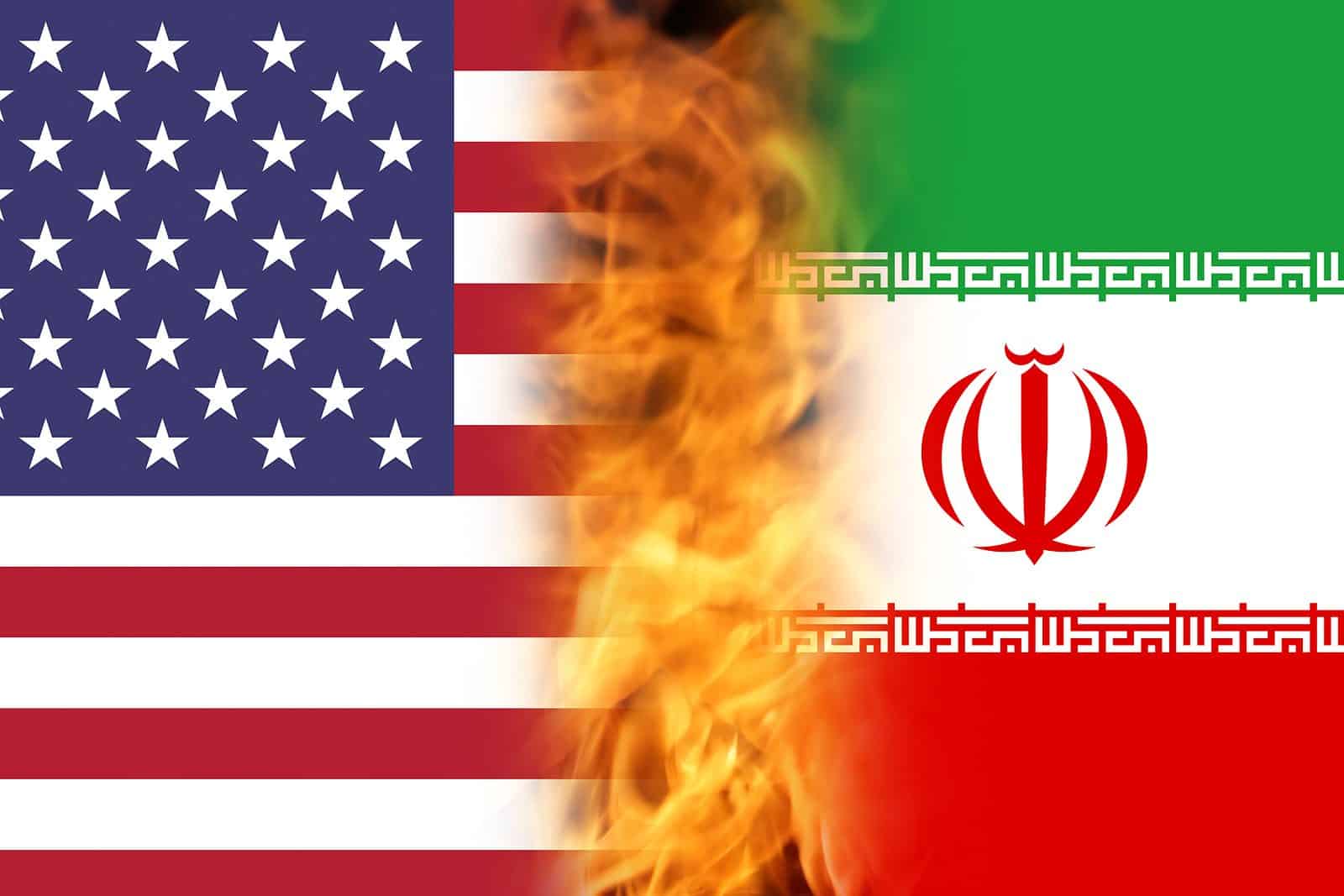
The recent escalation of tensions between the United States and Iran reached a new peak with the U.S. launching targeted airstrikes in response to a tragic incident that resulted in the deaths of American troops. This development marks a significant turning point in a long-standing geopolitical conflict shaped by decades of animosity and mutual distrust.
The airstrikes, which were carried out in precision against specific militant targets believed to be linked to Iranian proxy forces, were portrayed by U.S. officials as a necessary response to protect American military personnel stationed in the region. Iran has long been accused of supporting various militias that pose threats to U.S. interests and its allies in the Middle East. In the wake of the troop casualties, the United States emphasized its commitment to safeguard its forces and send a strong message to adversaries regarding the consequences of their actions.
The timing of this military action is critical, as it comes amid already heightened tensions following a series of provocative incidents. These incidents include rocket attacks on U.S. bases and ongoing hostilities stemming from Iran’s nuclear program. The Biden administration faces the complex challenge of balancing military response with diplomatic engagement in an effort to avoid further escalation and foster long-term stability in the region.
The airstrikes have sparked a flurry of reactions both domestically and internationally. On the home front, some lawmakers support the military action as necessary for national security, while others express concern that it could trigger a broader conflict. Critics argue that such aggressive posturing may undermine diplomatic avenues and lead to unnecessary loss of life. They emphasize the importance of seeking dialogue over military solutions to address the challenges surrounding Iran.
Internationally, Iran has condemned the airstrikes, pledging to retaliate against U.S. forces in any capacity. Iranian officials have voiced their unwavering commitment to defending their sovereignty and supporting allied groups in the region. The fear of a tit-for-tat cycle of violence looms large, potentially dragging neighboring countries into the conflict and destabilizing an already volatile region.
As the situation unfolds, the U.S. administration must navigate a precarious landscape defined by both military and diplomatic strategies. The recent airstrikes underscore the delicate balance that must be maintained to prevent a full-scale war while addressing security threats posed by Iranian proxies. The global community watches closely, anxious about the ramifications of this latest military action and the prospect of a renewed cycle of conflict in the Middle East.
For more details and the full reference, visit the source link below:
