
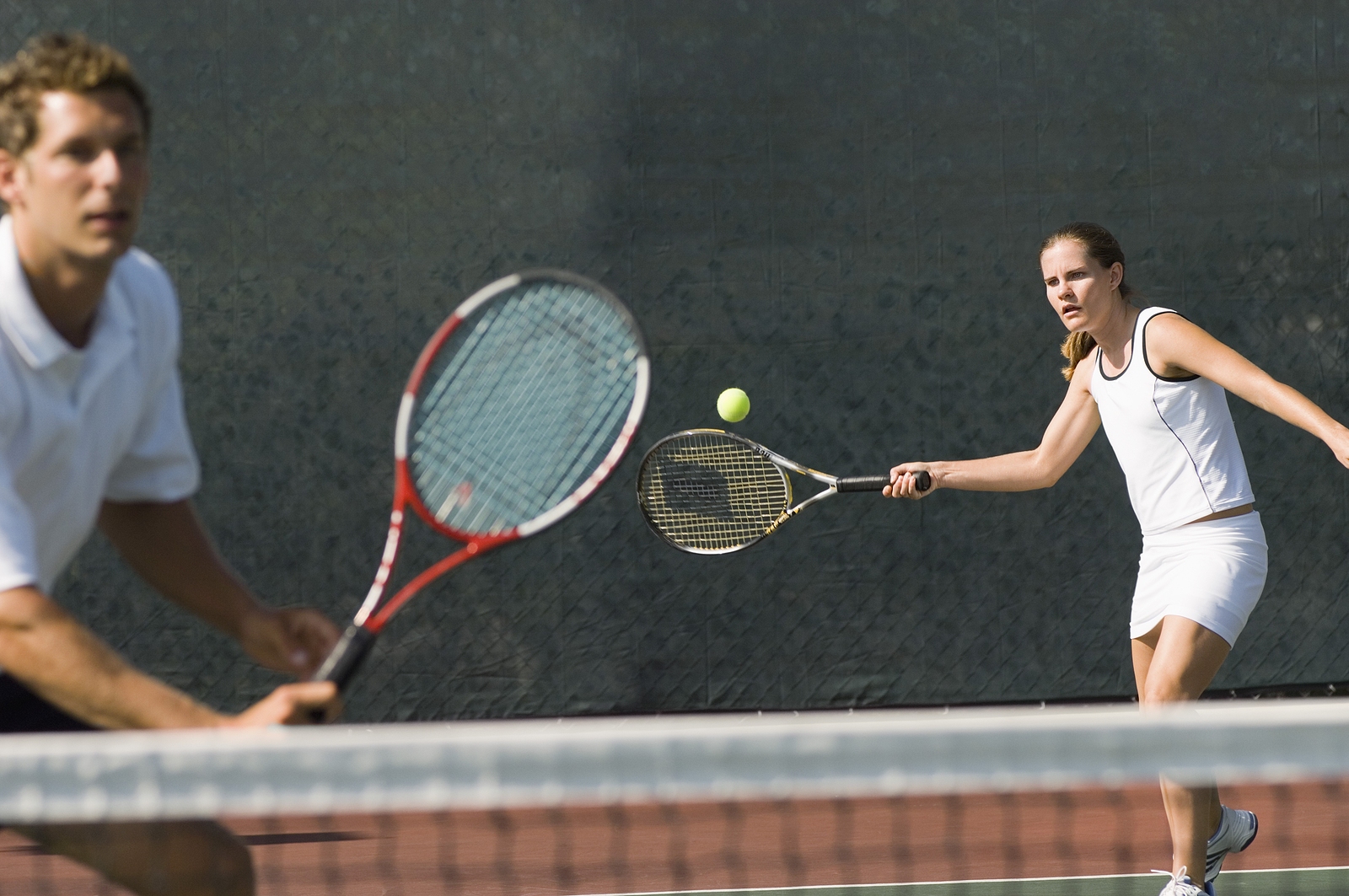
Why Summer Sports Lead to More Injuries and What You Can Do About It
Summer is a vibrant time often filled with outdoor activities and sports, enticing many to participate in physical competitions. However, this seasonal enthusiasm can lead to a noticeable increase in injuries. Understanding the reasons behind this trend and exploring preventive measures are essential for anyone engaged in summer sports.
One of the primary reasons for the higher injury rates during summer is the abrupt shift from a sedentary lifestyle to active participation in sports. Many individuals take advantage of the warm weather and longer days to jump directly into strenuous activities without adequate preparation. This sudden intensity can overwhelm muscles, ligaments, and joints, leading to common injuries like sprains, strains, and fractures.
Furthermore, summer sports often involve physical exertion under high temperatures, which can exacerbate injury risks. Dehydration becomes a significant concern; athletes may not adequately hydrate, leading to muscle cramps and heat-related illnesses. The combination of an unconditioned body and the effects of heat can significantly heighten injury likelihood.
Environmental factors also contribute to summer sports injuries. Hard surfaces—common in outdoor fields and courts—can increase the impact on the body, raising the chances of impact-related injuries. Additionally, many summer sports take place in natural settings where uneven terrain can lead to falls, ankle sprains, and other mishaps.
To mitigate the risks associated with summer sports, proactive measures are crucial. First, a proper warm-up routine should be adopted before engaging in physical activity. Stretching and gradually increasing the intensity of the workout prepare the body for the demands it will face. Investing time in conditioning during the spring can also aid in avoiding sudden injuries.
Hydration is paramount in summer sports. Athletes should consistently drink water before, during, and after physical activity. Incorporating sports drinks can help replenish electrolytes lost through sweat, further supporting recovery and muscle function.
Additionally, wearing appropriate gear is vital. Athletes should ensure that footwear is suitable for the sport and provides adequate support to minimize the risk of falling or twisting an ankle.
Lastly, listening to one’s body is crucial. If persistent pain or discomfort arises, taking a break or seeking medical advice can prevent more serious injuries down the line.
In conclusion, while summer sports are an excellent way to stay active, understanding the injury risks and taking preventive measures can significantly enhance safety and enjoyment. By preparing adequately, staying hydrated, and using the right gear, athletes can reduce their risk of injury this summer and focus on the fun of competition and camaraderie.
For more details and the full reference, visit the source link below:
Read the complete article here: https://www.stl.news/why-summer-sports-lead-to-more-injuries/
