
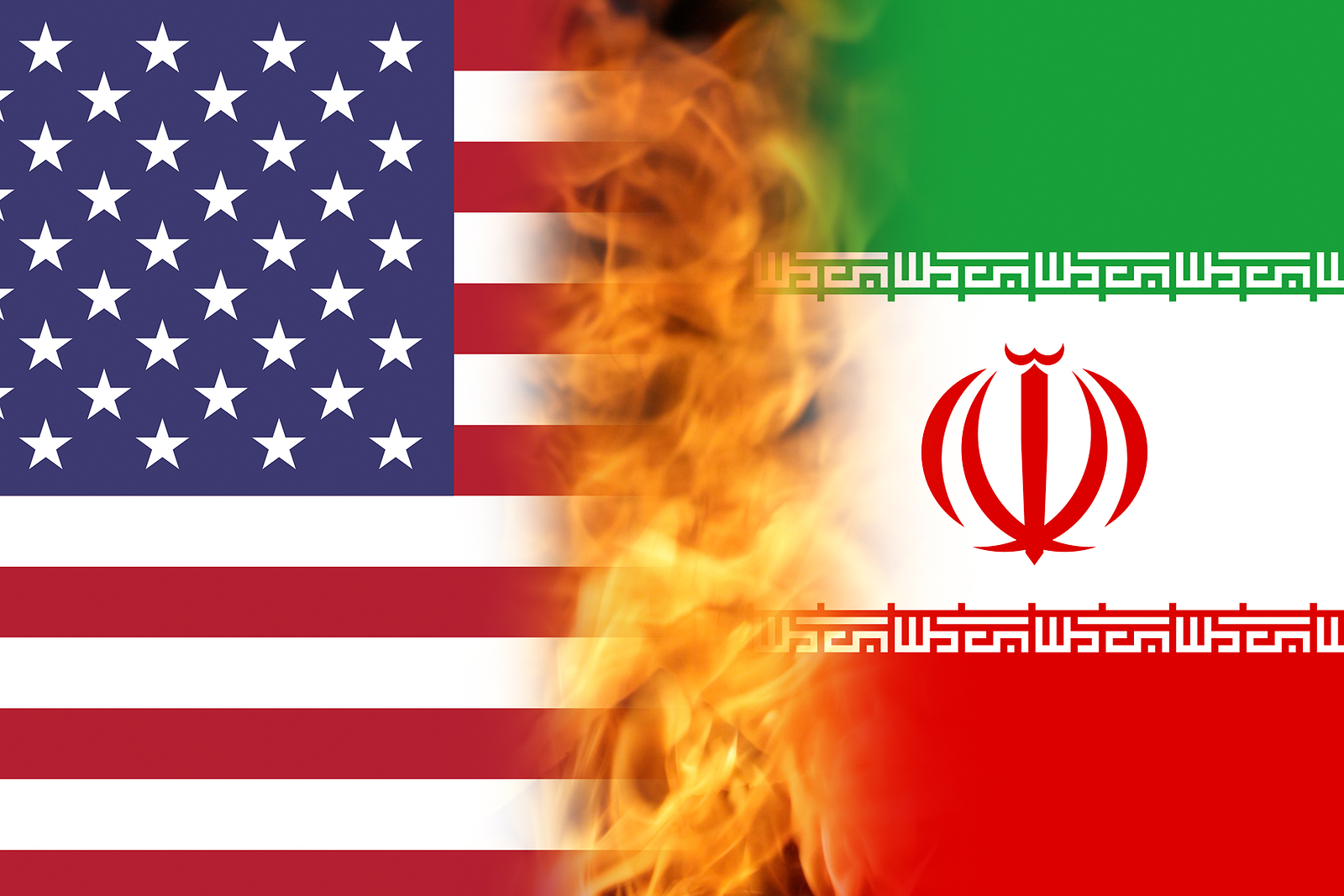
The recent developments between the United States and Iran have further escalated tensions in the Middle East, as the U.S. launched airstrikes aimed at Iranian assets, claiming self-defense amid a deteriorating ceasefire. The fragile peace in the region has been put to the test, particularly regarding the strategic Strait of Hormuz, a vital waterway for global oil transport, which remains effectively shut.
The airstrikes, occurring against a backdrop of increased hostilities, were described by U.S. officials as necessary measures to protect American interests and personnel in the region. The Pentagon asserted that these actions were aimed at deterring further Iranian aggression, which had seen a spike in recent months, including aggressive maneuvers and provocative naval activities. With Iran continuing to assert its influence and military presence across the Arabian Peninsula, the U.S. feels compelled to take action to reassure its allies and maintain regional stability.
The ceasefire, initially brokered to ease tensions, has been fraught with violations from both sides. Iran’s regional proxies have been implicated in attacks on U.S. assets, leading to a heightened military alert status for U.S. forces stationed close to Iranian territories. This escalation has drawn concerns from the international community, which has urged both nations to engage in dialogue rather than military confrontation.
The Strait of Hormuz plays a central role in this conflict, as it is a chokepoint through which approximately 20% of the world’s oil passes. The closure of this strategic route due to Iranian threats or military action would have severe implications for global energy markets and could trigger widespread economic repercussions. The U.S. aims to ensure the safety of maritime navigation in the region, emphasizing the need for international cooperation in securing this critical maritime passage.
As the situation unfolds, the ramifications of U.S. strikes will likely reverberate throughout the Middle East. Iran’s response remains uncertain, but historical patterns suggest a potential for retaliation via cyber-attacks or proxy warfare, further complicating the regional security landscape. The need for diplomatic efforts to rebuild trust and stabilize the situation has become increasingly urgent.
In summary, the U.S. actions against Iran underscore a complex interplay of self-defense, regional stability, and the necessity of maintaining open shipping lanes. As the ceasefire frays and tensions rise, the international community watches closely, hoping for a de-escalation before another cycle of violence takes hold in a tumultuous region.
For more details and the full reference, visit the source link below:
Read the complete article here: https://www.stl.news/u-s-strikes-iran-in-self-defense-as-ceasefire/
