
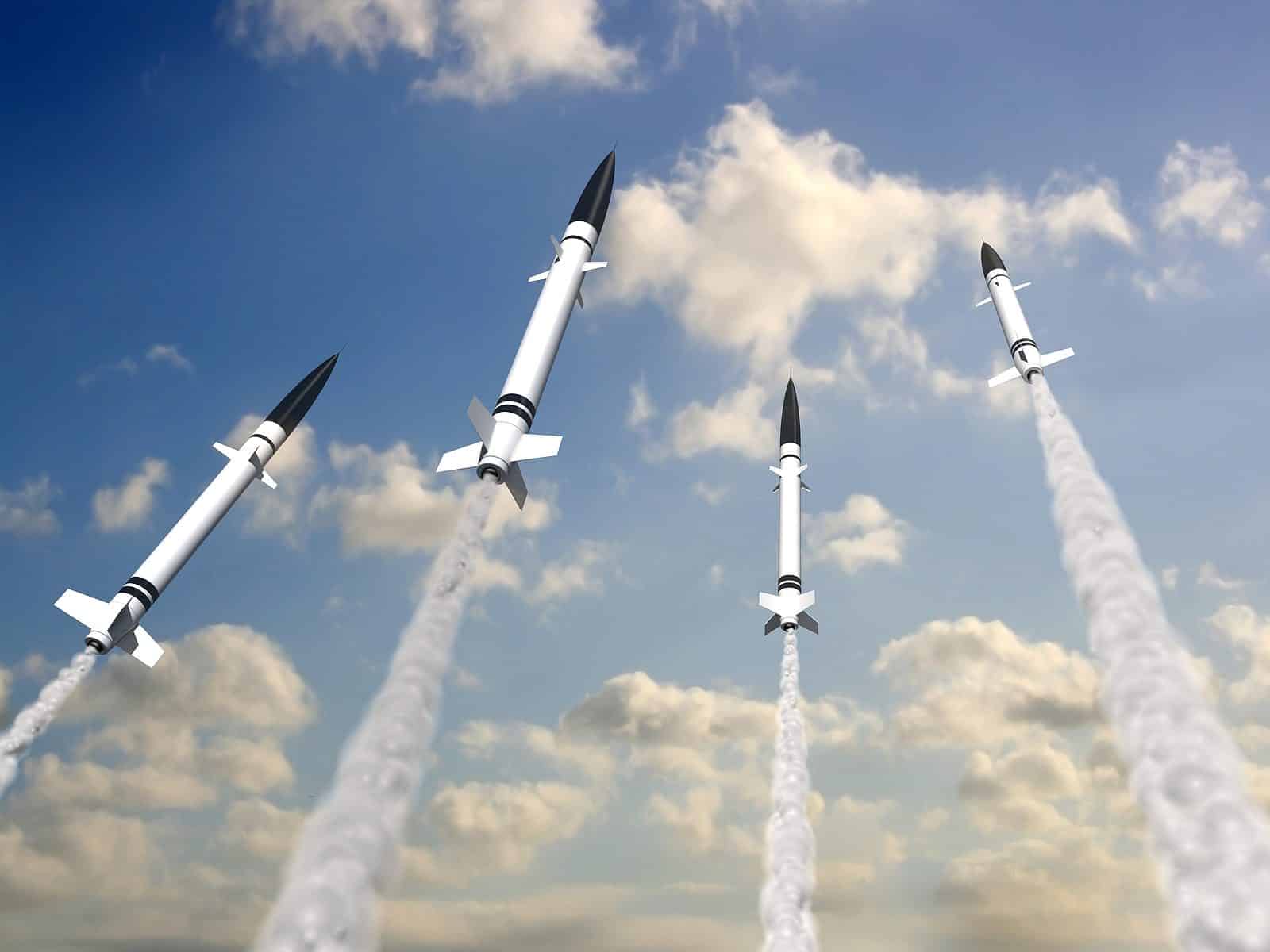
In a significant escalation of military tensions in the Middle East, the U.S. Central Command (CENTCOM) has conducted a series of aerial strikes targeting Iranian assets over consecutive nights. This military action comes amid rising fears of conflict in the Strait of Hormuz, a pivotal waterway for global oil transportation, through which nearly 20% of the world’s oil passes. The strait has witnessed increasing military activity and threats from Iran, creating a volatile situation that has prompted the United States to take decisive action.
These airstrikes appear to be a calculated response to a series of provocative acts by Iranian forces, including attacks on commercial shipping and the harassment of U.S. naval vessels operating in the region. The U.S. has claimed that these actions threaten not only American interests but also the security of international maritime routes, which are crucial for the global economy. CENTCOM has stated that the strikes were aimed at degrading Iran’s operational capabilities and deterring further aggression in the area.
The timing of these strikes is noteworthy, as they coincide with a broader geopolitical landscape in which the United States and its allies are wary of Iran’s expanding influence. The recent escalations in the Strait of Hormuz are not isolated but are part of a long-standing pattern of confrontations that have characterized U.S.-Iran relations since the 1979 Islamic Revolution. Tensions have been exacerbated by Iran’s nuclear ambitions and its support for proxy militant groups across the region, which the U.S. views as destabilizing.
International reactions to these airstrikes have been mixed, with some allies expressing support for the U.S. stance on maintaining freedom of navigation in the critical waterway. Meanwhile, countries sympathetic to Iran have condemned the strikes as provocative, warning that they could lead to a wider regional conflict. The potential for retaliation from Iran is a significant concern; Iranian officials have vowed to respond to what they view as acts of aggression. Such retaliation could manifest through asymmetric warfare tactics, including cyber attacks or attacks against U.S. assets in the region.
The situation in the Strait of Hormuz continues to evolve, and the U.S.’s military strategy will play a critical role in determining future stability. As CENTCOM resumes operations, it must balance demonstrating strength with avoiding a full-blown military confrontation. Diplomatic channels remain essential, and continued engagement with allies is necessary to de-escalate tensions and seek a peaceful resolution to the ongoing crisis. The coming days and weeks will be crucial in shaping the geopolitical landscape of the Middle East amidst this heightened state of alert.
For more details and the full reference, visit the source link below:
