
Oral Surgery: A Comprehensive Guide to Modern Dental Procedures
Oral surgery is a specialized branch of dentistry that involves surgical intervention to address various issues related to the mouth, jaw, and surrounding tissues. As technology advances, modern dental procedures have evolved, providing patients with safer and more efficient treatment options for complex oral health issues.
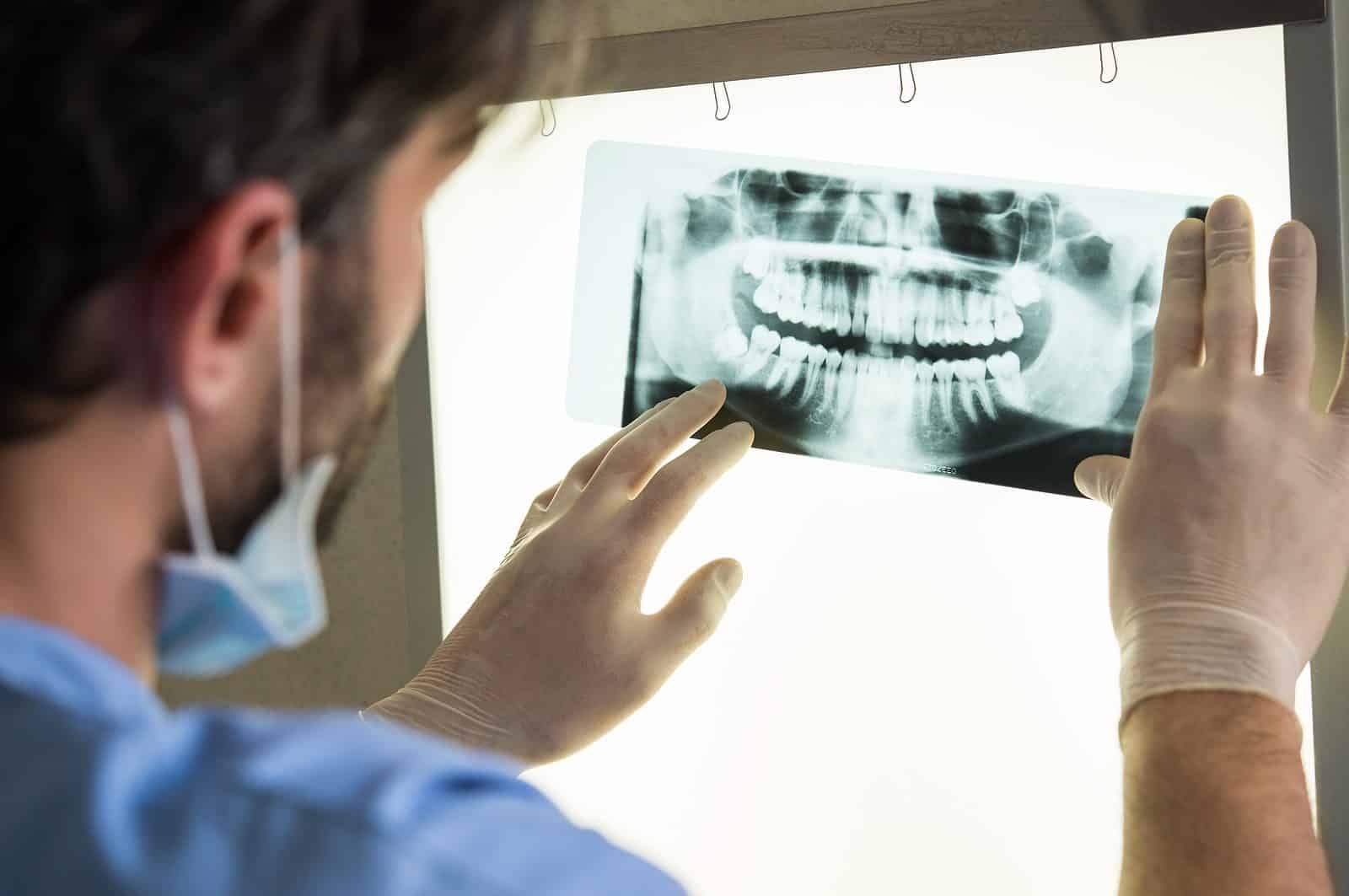
One of the most common reasons for oral surgery is the extraction of wisdom teeth. These third molars often become impacted due to lack of space, leading to pain, infection, or misalignment of adjacent teeth. Surgeons employ techniques such as sedation anesthesia to ensure patient comfort during the extraction, making the procedure less daunting than it once was.
Another critical area of oral surgery is corrective jaw surgery, or orthognathic surgery. This procedure addresses structural abnormalities of the jaw, which can cause functional problems like difficulty chewing or speaking, as well as aesthetic concerns. Advances in imaging technology and 3D planning have streamlined the process, allowing for more precise surgical interventions.
Dental implants have revolutionized tooth replacement solutions. When a tooth is lost due to decay, injury, or disease, implants—titanium posts surgically placed into the jawbone—can provide a stable and long-lasting solution. Modern techniques allow for immediate loading of implants, significantly reducing the waiting period for prosthetic attachment.
Oral surgery is also integral in treating oral pathologies such as tumors or cysts. Surgeons may perform biopsies to diagnose conditions and subsequently remove malignant growths. With enhanced surgical techniques and anesthetic options, patients can expect quicker recovery times and reduced postoperative discomfort.
Another vital aspect of oral surgery is the management of oral and maxillofacial trauma. Accidents can lead to fractured jaws, lacerations, or avulsed teeth, requiring immediate surgical care. Modern techniques, including minimally invasive surgery, ensure that patients experience less tissue damage and shorter recovery periods.
Technological advancements, such as laser surgery, have further minimized the trauma associated with traditional surgical methods. Lasers can be employed for soft tissue surgeries, resulting in less bleeding, swelling, and discomfort.
Patient safety and comfort are paramount in modern oral surgery. Pre-operative assessments help identify any underlying health issues, ensuring tailored anesthetic plans. Post-operative care has also improved, with an emphasis on pain management and follow-up consultations to monitor healing.
In summary, oral surgery encompasses various modern dental procedures designed to address complex conditions affecting the mouth and jaws. With advancements in techniques and technology, patients can expect safer, more effective treatments, significantly enhancing their overall oral health and quality of life.
For more details and the full reference, visit the source link below:
