
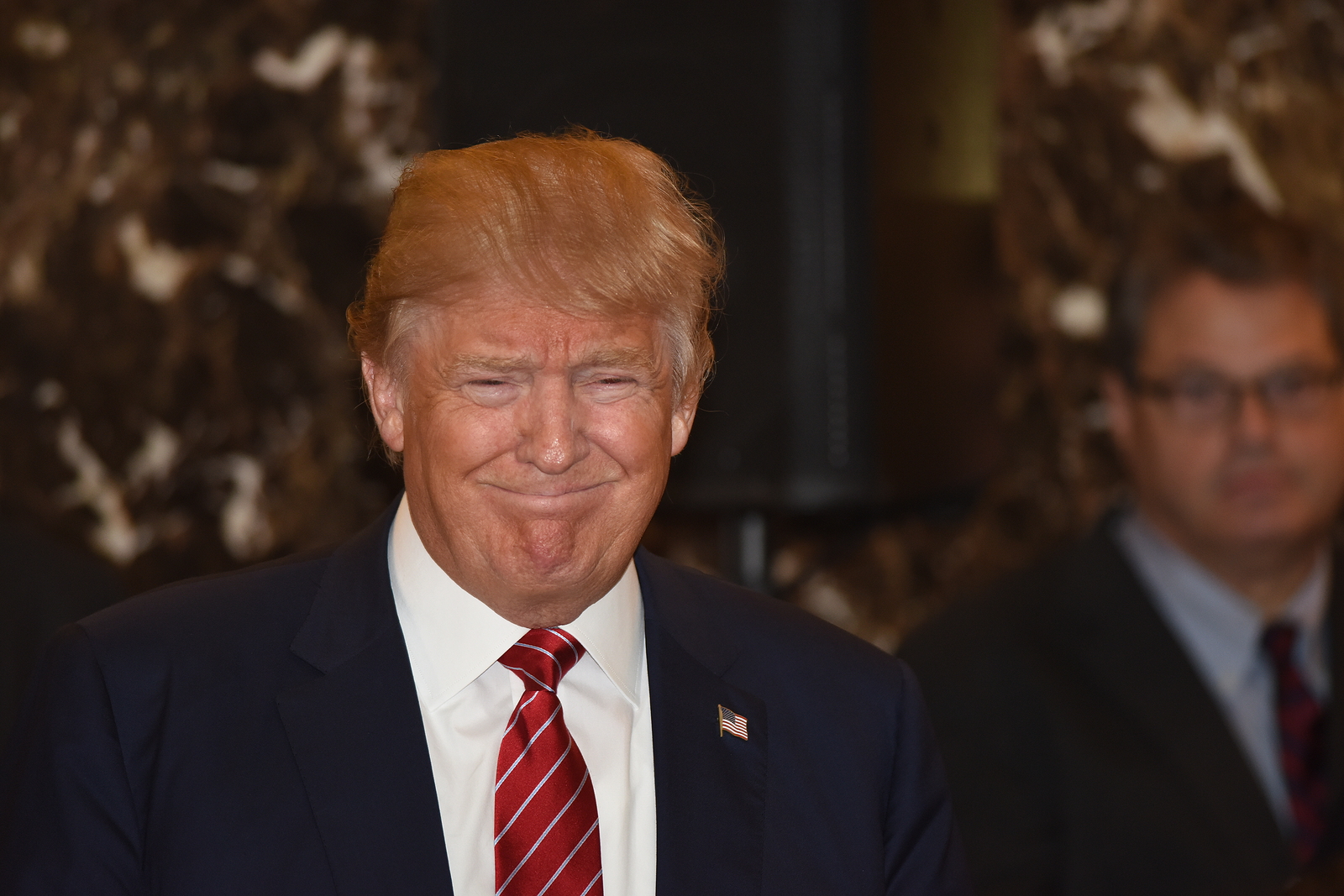
President Donald J. Trump’s presidency marked a significant and often polarizing era in American politics, characterized by a distinct shift in policy direction and national discourse. His administration, lasting from January 2017 to January 2021, was driven by a commitment to “Make America Great Again,” a slogan that resonated deeply with many Americans who felt left behind by globalization and rapid social changes.
One of the most notable aspects of Trump’s legacy is his approach to economic policy. He prioritized tax cuts and deregulation, culminating in the Tax Cuts and Jobs Act of 2017, which significantly lowered corporate tax rates and aimed to spur economic growth. Proponents argue that these measures led to a booming economy before the COVID-19 pandemic, with historically low unemployment rates and rising stock market values. However, critics contend that the benefits primarily favored the wealthy and exacerbated income inequality.
Trump’s foreign policy also sought to redefine America’s global role, emphasizing an “America First” doctrine. This approach involved re-evaluating long-standing alliances and trade agreements. He withdrew the U.S. from the Paris Climate Agreement and the Iran nuclear deal, reflecting a unilateral stance that prioritized national interests over international cooperation. While supporters argue these moves restored American sovereignty, detractors warn they undermined U.S. credibility and alliances.
One of the defining elements of Trump’s presidency was his rhetoric and communication style, particularly on social media. Utilizing platforms like Twitter, he bypassed traditional media channels, allowing him to engage directly with his base. This unconventional approach reshaped political communication, enabling a style marked by directness and sometimes controversy. His rhetoric often incited division, contributing to the polarization of American society.
The judicial appointments under Trump also reshaped the landscape of American law, with three Supreme Court justices nominated during his term—Neil Gorsuch, Brett Kavanaugh, and Amy Coney Barrett—creating a conservative majority. These appointments are poised to have lasting impacts on critical issues like reproductive rights, gun control, and healthcare.
In addition, Trump’s handling of the COVID-19 pandemic faced immense scrutiny, with critics arguing that his administration’s response was slow and inadequate. The pandemic severely impacted his presidency, altering the trajectory of the economy and public health.
In conclusion, Donald Trump’s legacy is characterized by significant policy shifts, a focus on national sovereignty, and a transformational approach to political engagement. His presidency has left an indelible mark on the American landscape, influencing not just current policy debates but also the broader trajectory of American society and its values. The ramifications of his time in office will continue to be felt and debated for years to come.
For more details and the full reference, visit the source link below:
