
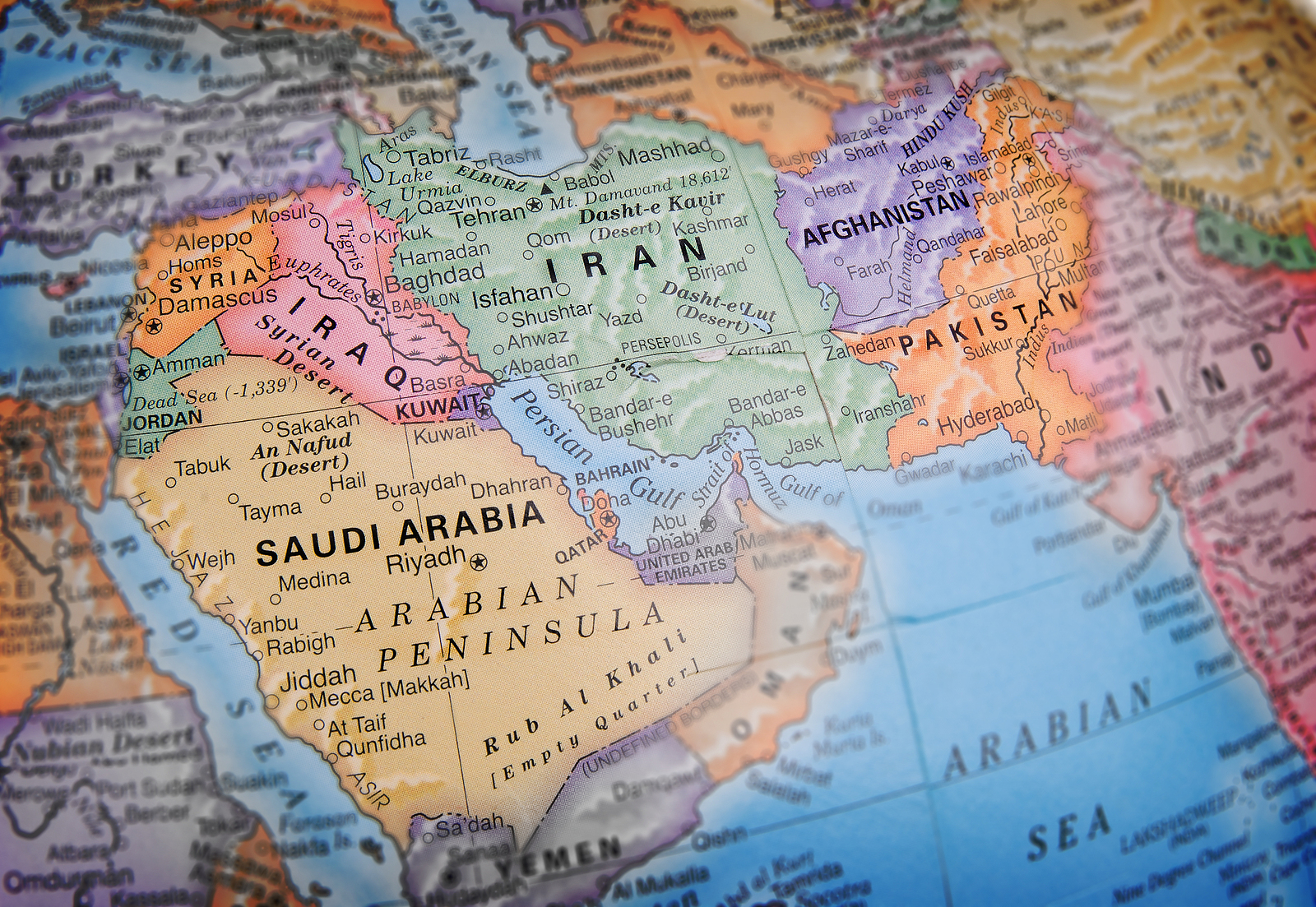
Iran’s economy has been facing a severe crisis marked by rampant inflation, a collapsing currency, and widespread discontent among its population. The socioeconomic landscape has become increasingly unstable, driven by a myriad of factors including prolonged U.S. sanctions, mismanagement of resources, and the global repercussions of the COVID-19 pandemic.
### Inflation
One of the most pressing issues in Iran’s economy is inflation, which hovers in the triple digits. This relentless rise in prices is eroding purchasing power, compelling many Iranians to prioritize basic needs over any discretionary spending. Essentials like food and fuel have seen astronomical price increases, making daily life increasingly untenable for ordinary citizens. Many families are reportedly cutting back on meals or switching to cheaper alternatives, showcasing the dire state of living conditions. The government has struggled to implement effective fiscal policies to curb inflation, and many experts argue that the measures taken have largely been insufficient.
### Currency Collapse
Compounding the inflation crisis is the collapse of the Iranian rial. The national currency has plummeted, losing a significant portion of its value over recent years. This decline has been exacerbated by a combination of factors, including reduced foreign investment, sanctions that limit trade and financial transactions, and a lack of confidence among the populace. The unstable exchange rate not only affects international trade but also contributes to the inflation crisis, as imported goods become exponentially more expensive. Iranians have increasingly turned to foreign currencies, such as the U.S. dollar or euro, leading to a further devaluation of the rial.
### A Nation Under Pressure
The economic crisis has left Iran in a precarious position. The frustration felt by the population has manifested in widespread protests against the government. Citizens are demanding accountability and changes to address their economic struggles. The government’s inability to provide solutions has led to a sense of despair among the populace, further fueling dissent.
Moreover, the geopolitical landscape complicates matters. Sanctions imposed by the U.S. have severely restricted Iran’s oil exports, a key revenue source for the nation. Attempts to negotiate a revival of the nuclear deal have been ongoing, but progress remains slow, causing uncertainty in the economic outlook.
In conclusion, Iran’s economy is in a multifaceted crisis involving inflation, currency collapse, and societal pressure. The combination of domestic mismanagement and external sanctions has created a perfect storm that challenges the very fabric of Iranian society. Unless effective and immediate reforms are enacted, the outlook for Iran’s economy—and its people—remains bleak. The situation underscores the urgency for a comprehensive strategy to restore stability and foster a more sustainable economic future.
For more details and the full reference, visit the source link below:
