
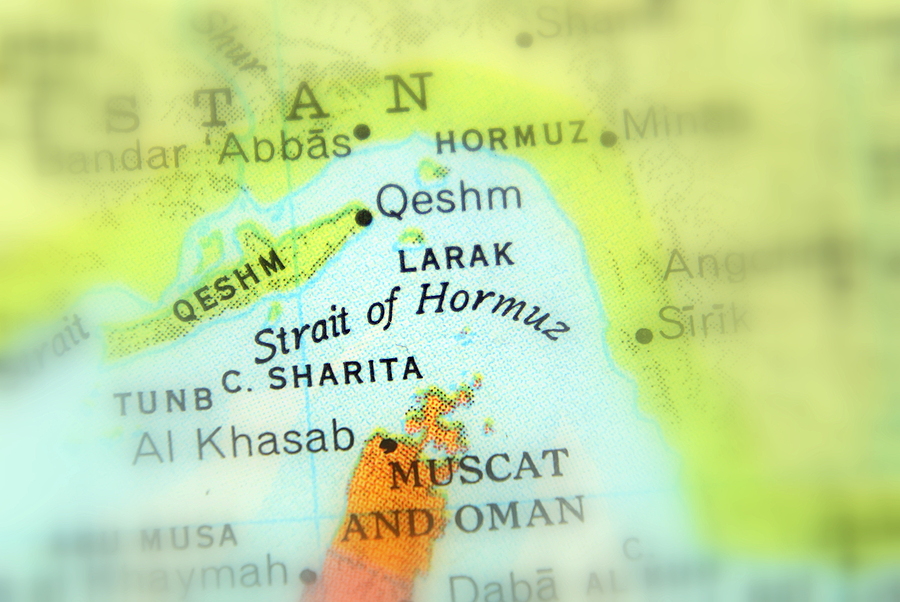
The Strait of Hormuz has emerged as one of the most vital maritime chokepoints in the world, primarily due to its strategic and economic significance. This narrow waterway, which connects the Persian Gulf to the Gulf of Oman, is about 21 miles wide at its narrowest point and serves as the conduit for approximately 20% of the world’s oil supply.
Historically, the strait has been significant for trade and maritime navigation, but its importance surged with the discovery of vast oil reserves in the Middle East in the 20th century. As global reliance on oil increased, nations around the world recognized the Strait of Hormuz as a crucial artery for energy transportation. Countries like Saudi Arabia, Iraq, Iran, Kuwait, and the United Arab Emirates primarily export their crude oil through this strategic passage, reinforcing its position in the global economy.
The geopolitical tensions surrounding the Strait of Hormuz have also contributed to its significance. The region’s complex political landscape, characterized by rivalries among Iran, Arab states, and Western powers, has transformed the strait into a hotspot for both diplomacy and conflict. For instance, Iran has frequently threatened to disrupt shipping lanes in times of heightened tensions, emphasizing its control over the strait’s access. This has led to increased military presence from nations like the United States, which aims to protect shipping routes crucial to global oil supplies.
Moreover, the Strait of Hormuz plays a pivotal role in international energy security. Any disruption in this waterway could lead to significant spikes in global oil prices, affecting economies far beyond the Middle East. This reality has prompted many countries to adopt diverse energy sources, including renewables, to reduce their dependence on oil transported through the strait. However, the strait remains critical, particularly for countries heavily reliant on Middle Eastern oil.
Given the strait’s pivotal role in international trade, it serves as a focal point for global diplomacy. Efforts to ensure safe passage for ships and stability in the region are of utmost importance. This includes multinational naval operations and diplomatic agreements aimed at ensuring freedom of navigation.
In summary, the Strait of Hormuz has evolved into an essential global passage for trade and energy resources. Its intricate blend of historical significance, economic reliance, and geopolitical tension underscores its importance as one of the world’s most critical maritime crossroads. As the global energy landscape continues to evolve, the strait will likely remain a focal point of international attention and strategic planning.
For more details and the full reference, visit the source link below:
