
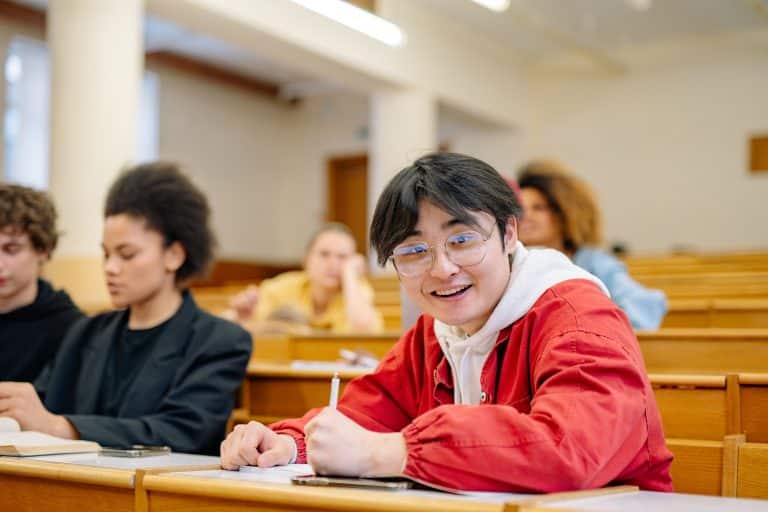
As society evolves, so too do the expectations and needs of students within educational institutions. The 21st century has brought significant shifts in how knowledge is consumed, shared, and assessed, prompting schools and universities to adapt in various ways. In response to these changing expectations, educational institutions are embracing innovative teaching methods, integrating technology, and fostering a more personalized learning experience.
One of the most notable adaptations is the incorporation of technology into the classroom. Today’s students, often referred to as digital natives, have grown up with smartphones, laptops, and the internet. They expect their educational experiences to leverage these technologies for enhanced learning. Institutions are responding by integrating online resources, digital assignments, and multimedia content into their curricula. For instance, many universities now offer hybrid models that blend traditional classroom settings with online learning platforms. This flexibility caters to the diverse learning styles and schedules of contemporary students, allowing them to engage with material in ways that suit their individual needs.
Additionally, educational institutions are focusing on the importance of soft skills and experiential learning. Students today are not only seeking academic qualifications but also practical experience and skills that will prepare them for the workforce. Many schools are developing partnerships with businesses and industries, facilitating internships, co-op programs, and hands-on projects. This experiential approach enriches the learning process, enabling students to apply theoretical knowledge in real-world settings, thereby enhancing their employability.
Furthermore, there is a growing emphasis on mental health and wellness within educational environments. Acknowledging the pressures students face, institutions are increasingly prioritizing support services. Counseling programs, wellness initiatives, and stress management workshops are becoming more commonplace. By creating a supportive community that prioritizes student well-being, institutions help foster an environment where students can thrive academically and personally.
Lastly, the push for inclusivity and diversity is reshaping educational policies and practices. Students today are more aware of social issues and expect their institutions to reflect a commitment to equity and inclusion. Educational institutions are responding by implementing practices that promote inclusivity, such as diverse curricula, awareness campaigns, and faculty training.
In summary, educational institutions are actively adapting to meet the changing expectations of students by embracing technology, emphasizing practical skills, prioritizing mental health, and fostering inclusivity. These efforts not only enhance the educational experience but also prepare students for a dynamic and rapidly evolving world. As institutions continue to evolve, their ability to respond to the needs of their student populations will remain paramount in their mission to provide quality education.
For more details and the full reference, visit the source link below:
