
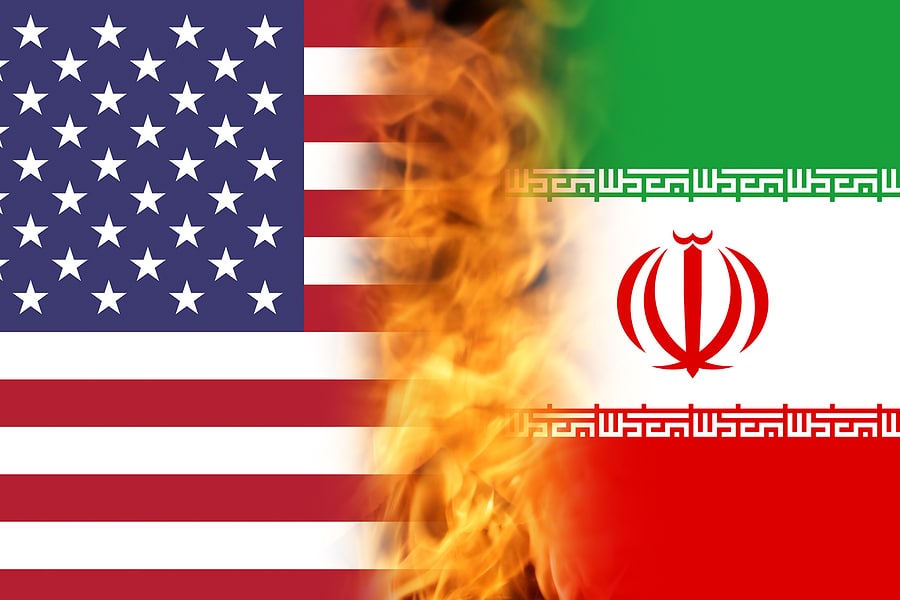
Kinetic Escalation in the Strait of Hormuz: U.S. Airstrikes Hit Iran Following Drone Attack on Container Ship
The Strait of Hormuz has long been a focal point of geopolitical tensions, given its significance as a vital maritime chokepoint for the global oil trade. Recently, this critical waterway has witnessed a sharp escalation in hostilities, particularly following a reported drone attack on a container ship that was allegedly linked to Iranian forces. The resultant U.S. airstrikes against Iranian targets marked a significant moment in escalating kinetic military engagement, raising alarms about the potential for broader conflict in the region.
The drone attack targeting the container ship underscored the vulnerability of commercial vessels in the Strait of Hormuz. This maritime corridor, through which approximately a fifth of the world’s oil passes, has been characterized by a series of aggressive tactics employed by Iranian proxies and revolutionary guard operatives. These incidents have raised concerns about the safety of shipping lanes and the integrity of international maritime norms.
In response to the drone attack, the United States launched a series of airstrikes aimed at Iranian military installations, sending a stern message about its commitment to protecting commercial interests and regional allies. The U.S. Defense Department articulated a need to counter Iranian aggression while ensuring the freedom and safety of navigation in international waters. This marked a dramatic escalation from previous measures, which primarily focused on sanctions and diplomatic pressure.
Critics of the airstrikes argue that this represents a dangerous spiral toward direct military confrontation. Iran has vowed to retaliate for any attacks on its sovereignty, raising the stakes considerably. Both nations have been engaged in a high-stakes game of brinkmanship whereby miscalculations could lead to unintended consequences, including wider regional conflicts entailing other state actors and non-state militias.
In tandem with military actions, diplomatic channels remain crucial in preventing further escalation. European allies have expressed concern over the potential for a prolonged conflict, advocating for renewed talks to de-escalate tensions. The international community is keenly aware of the economic repercussions that could ensue from a conflict in the Strait of Hormuz, particularly regarding oil prices and supply chains.
As the situation develops, the effective engagement of all stakeholders will be critical. The delicate balance of power in the Gulf region is already strained, and continued kinetic escalation could have repercussions well beyond the military sphere. Enhanced diplomatic efforts, along with a commitment to security in navigation, remain essential in mitigating the risks posed by this volatile environment. The unfolding events in the Strait of Hormuz serve as a stark reminder of the complexities of modern geopolitical relations and the persistent dangers that accompany them.
For more details and the full reference, visit the source link below:
Read the complete article here: https://www.stl.news/kinetic-escalation-in-the-strait-of-hormuz/
