
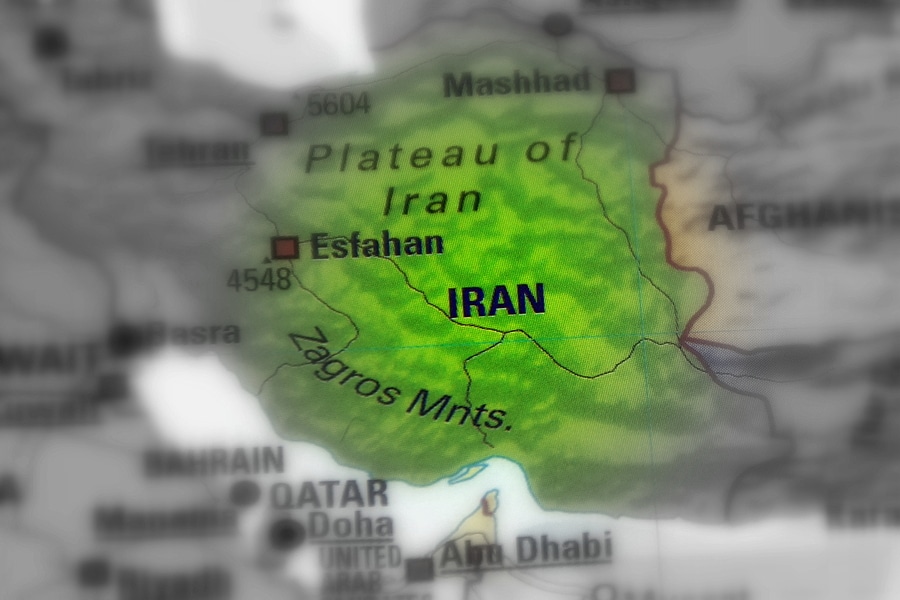
The recent confirmation from the Pentagon regarding Iran’s reconstitution of missile systems in the Strait of Hormuz has raised significant concerns about regional stability and security. This development comes in the wake of escalating tensions between Iran and the United States, particularly as U.S. airstrikes targeted Iranian-backed militia positions in the region.
The Strait of Hormuz is a vital artery for global oil transportation, with a substantial percentage of the world’s oil supplies passing through its waters. Any military buildup by Iran in this strategic chokepoint has the potential to disrupt shipping routes and escalate military confrontations, leading to wider geopolitical implications. The presence of advanced missile systems not only poses a threat to vessels traversing the strait but also to U.S. military installations and allied forces in nearby regions.
The Pentagon’s assessment indicates that Iran has not only maintained its missile capabilities but may have modernized them, making them more sophisticated and potentially more difficult to counter. This reconstitution of missile systems suggests a clear intent from Tehran to assert its military power and deter any potential U.S. or allied operations in the Gulf. Analysts suggest that this maneuver is part of Iran’s broader strategy to use asymmetric warfare tactics against conventional military forces, thereby enhancing its deterrence posture.
In response to Iran’s missile advancements, the United States has heightened its military readiness in the region. Recent U.S. airstrikes targeting Iranian-backed militias are a demonstration of America’s commitment to countering threats and ensuring the security of its allies, particularly in light of the recent developments. However, such military actions also pose the risk of provoking further retaliation from Iran and its proxies, potentially leading to a cycle of violence that destabilizes the region.
This situation reflects the complex and often fraught dynamics between the U.S. and Iran, particularly in the context of nuclear negotiations and regional conflicts. While diplomatic solutions remain the ideal scenario for de-escalation, military realities on the ground continue to complicate the landscape. The reconstitution of missile systems in the Strait of Hormuz signals Iran’s determination to challenge U.S. influence and serves as a stark reminder of the fragile balance of power in the Middle East.
As tensions mount, the international community watches closely, aware that any miscalculation could lead to a broader conflict. It remains imperative for diplomatic channels to remain open, as both nations navigate this precarious situation, balancing their national interests with the need for regional stability.
For more details and the full reference, visit the source link below:
