
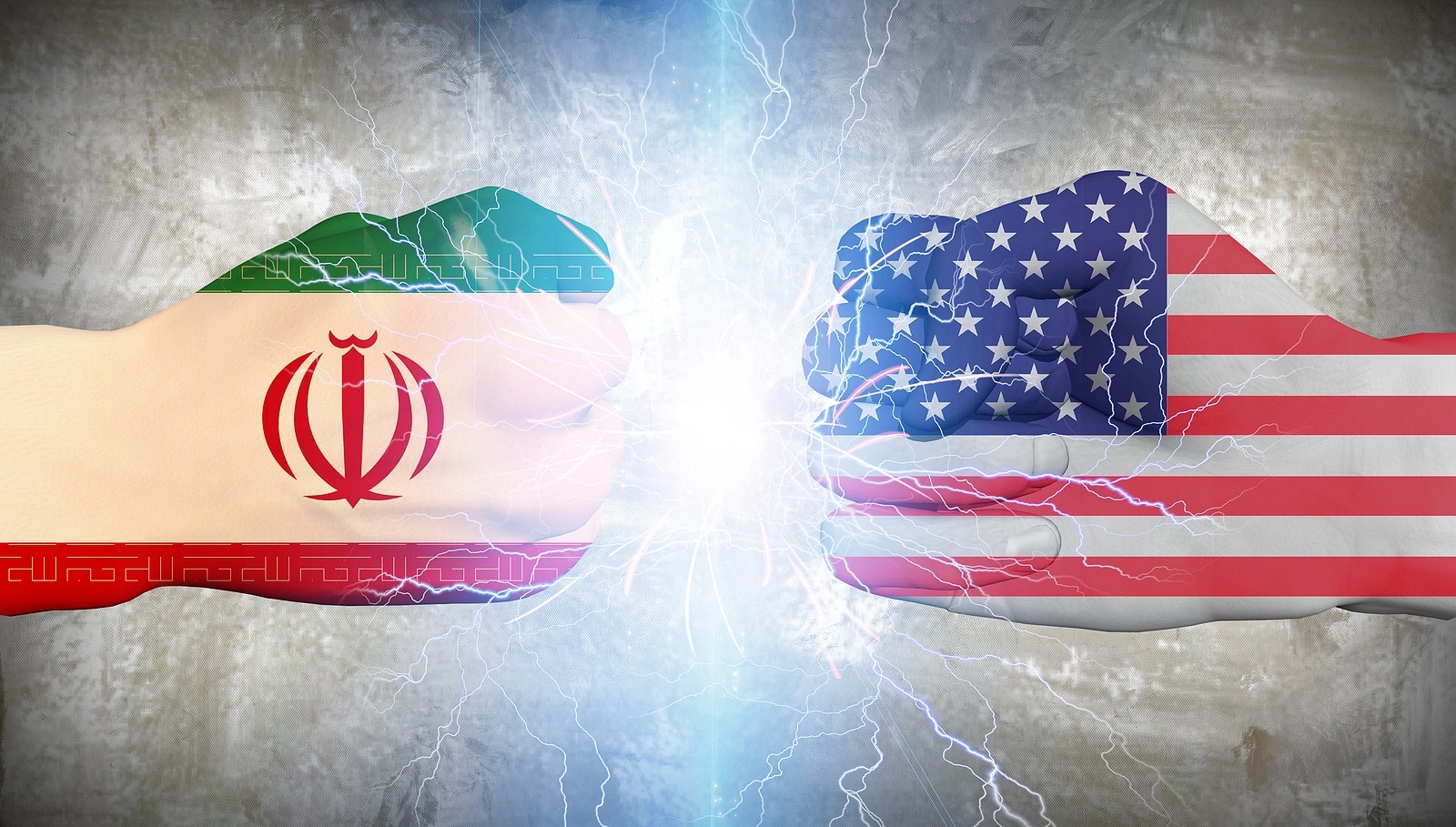
The Fiction of a Free Strait: Hormuz Crisis Explodes as Kinetic Strikes Shatter Ten-Day-Old Islamabad MoU
In a world where diplomacy often teeters on the brink of collapse, the fragile balance of power in the Gulf region is epitomized by the recent disintegration of the Islamabad Memorandum of Understanding (MoU). Signed just ten days prior, this agreement aimed to foster cooperation and dialogue among key stakeholders in the Strait of Hormuz, a vital artery for global energy supplies. Yet, the dream of a peaceful resolution quickly unraveled as kinetic strikes rattled the geopolitical landscape.
The Strait of Hormuz, a narrow passage connecting the Persian Gulf with the Arabian Sea, is crucial for the transportation of oil and gas. Over 20% of the world’s petroleum passes through this waterway, making it a strategic point of contention among regional powers. The Islamabad MoU sought to mitigate escalating tensions, a commendable but ultimately naive ambition in the face of long-standing rivalries. As each country vied for dominance, the hope for a diplomatic breakthrough appeared increasingly unrealistic.
The explosions that reverberated through the region served as a stark reminder of how quickly rhetoric can turn into reality. Military strikes attributed to differing factions—each claiming to uphold national security and safeguard interests—culminated in a display of force that contradicted the foundational principles of the MoU. The crisis highlighted not only the vulnerability of diplomatic agreements but also the precarious nature of alliances in an age dominated by realpolitik.
Repercussions were felt beyond the immediate geographic area. Global markets reacted violently, with oil prices spiking due to fears of supply disruptions. Nations that had previously engaged in fruitful talks suddenly found themselves scrambling to address the fallout and protect their energy security. The sense of urgency led to renewed fervor for military preparedness, overshadowing the fading memories of the Islamabad accord’s hopeful aspirations.
Furthermore, the kinetic strikes reinforced the idea that economic interdependence alone cannot shield nations from conflict. The underlying tensions of nationalism, territorial disputes, and historical grievances remained unresolved, suggesting that the specter of further escalation looms large. Scholars and analysts alike predict that this incident could mark a pivotal moment in the evolution of Middle Eastern politics, where diplomatic overtures may be sacrificed on the altar of militaristic ambitions.
As the dust settles, the vision of a free Strait of Hormuz grows dimmer. The Islamabad MoU’s rapid demise illustrates the difficulties of navigating a complex landscape where trust is as scarce as oil in a drought. The fiction of a peaceful resolution now lays shattered like the agreements that preceded it, leaving the world to wonder when—if ever—stability will return to this volatile region.
For more details and the full reference, visit the source link below:
