
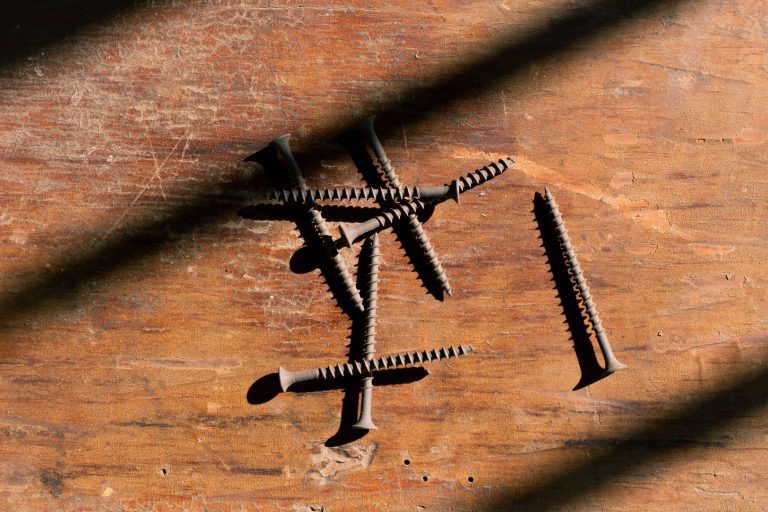
Drywall screws are commonly used in construction projects for hanging drywall, but when it comes to cement board, they often fail. Cement board is a much denser and heavier material than drywall, which can cause drywall screws to pop out or break easily. Understanding why drywall screws fail in cement board and knowing what alternative fasteners to use can help ensure a successful construction project.
One of the main reasons why drywall screws fail in cement board is due to the density and hardness of the material. Cement board is made of cement, sand, and fiberglass mesh, which makes it much tougher than drywall. When a drywall screw is inserted into cement board, it may not be able to grip the material securely, causing it to become loose over time. Additionally, the vibration and movement that occur during construction or over time can also cause the screws to loosen and fail.
Another reason why drywall screws fail in cement board is because they are not designed to withstand the weight and pressure exerted on them. Cement board is often used in high-moisture areas, such as bathrooms or kitchens, where it may be exposed to water and humidity. Drywall screws are made of zinc-coated steel, which can corrode and weaken over time when exposed to moisture. This can cause the screws to snap or break, leading to a potential failure in holding the cement board in place.
To prevent drywall screws from failing in cement board, it is important to use the right type of fasteners. There are a few alternatives to drywall screws that are better suited for securing cement board, such as cement board screws or cement screws. These screws are specifically designed for use with cement board and are made of corrosion-resistant materials, such as stainless steel or coated steel, to withstand moisture and prevent rusting.
Cement board screws have a sharper thread design and a coarse thread pattern, which allows them to grip the dense material of cement board more securely. They also have a bugle head that sits flush with the surface of the cement board, providing a clean and seamless finish. Cement screws, on the other hand, are self-drilling and self-tapping, making them easier and quicker to install compared to regular screws.
In conclusion, understanding why drywall screws fail in cement board and knowing what alternative fasteners to use can help prevent potential issues and ensure a successful construction project. By using the right type of fasteners, such as cement board screws or cement screws, you can securely and effectively attach cement board without the risk of screws failing.
For more details and the full reference, visit the source link below:
