
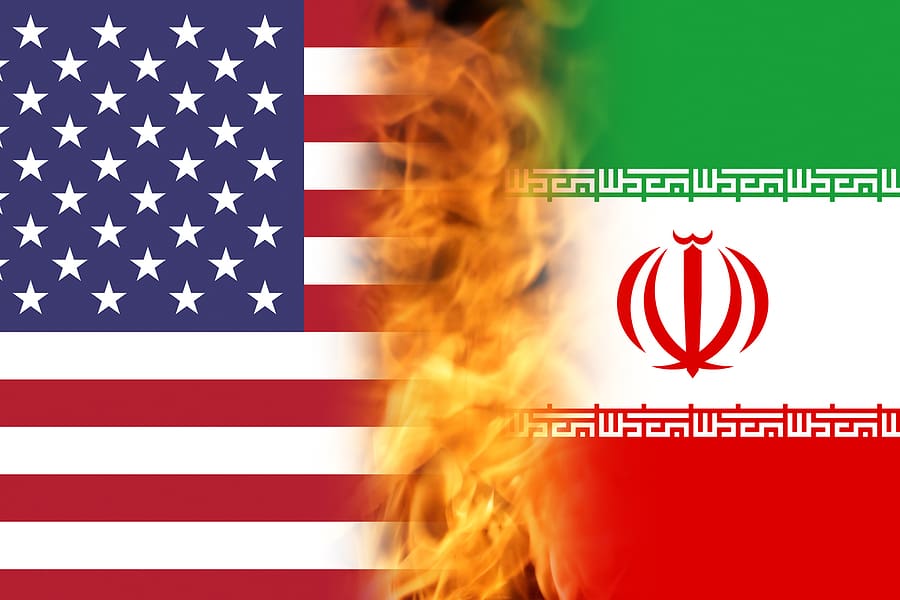
Confronting Iran is a critical pillar of U.S. foreign policy, especially in the context of the 47-year history since the 1979 Iranian Revolution. This period has been marked by a complex interplay of ideological clashes, military confrontations, and diplomatic negotiations, making it essential to understand the motivations behind policies like those implemented during the Trump administration.
Following the revolution, Iran established a theocratic regime that positioned itself against U.S. interests in the Middle East. The subsequent hostage crisis, in which American diplomats were held for 444 days, cemented a deep-seated animosity between the two nations. This event catalyzed U.S. efforts to contain Iranian influence, leading to sanctions and military alliances with regional adversaries such as Saudi Arabia and Israel.
In the years that followed, tensions escalated as Iran pursued nuclear capabilities, leading to fears that it could produce nuclear weapons. The complexities surrounding Iran’s nuclear ambitions prompted diplomatic efforts, including the 2015 Joint Comprehensive Plan of Action (JCPOA) negotiated under the Obama administration. While the deal aimed to curtail Iran’s nuclear program in exchange for sanctions relief, critics argued it did not address other destabilizing behaviors, such as Iran’s support for militant groups and its involvement in regional conflicts.
Trump’s strategy towards Iran diverged sharply from his predecessors’ approach. He deemed the JCPOA flawed and reinstated strict sanctions, seeking to exert “maximum pressure” on Tehran. This strategy aimed not just to eliminate nuclear threats but also to curtail Iran’s influence across the Middle East, particularly its backing of Hezbollah and Shiite militias in Iraq and Syria. Trump’s administration believed that isolating Iran would empower the Iranian populace to challenge the regime, thereby promoting political change from within.
The confrontation strategy also resonated with Israel and Gulf states, both of which perceived Iran as an existential threat. By aligning U.S. policy with their security concerns, the Trump administration sought to forge a coalition, represented by the Abraham Accords, to counterbalance Iran’s regional ambitions.
However, the approach sparked a debate about its effectiveness and consequences. Critics argue that heightened conflict could lead to military confrontation, destabilizing an already volatile region. This tension underscores the importance of balancing confrontation and diplomacy.
In summary, confronting Iran matters not only for U.S. national security but also for regional stability. Understanding the 47-year history behind Trump’s strategy highlights the complexities of Iranian geopolitics and the ongoing challenge of balancing deterrence with the prospect for diplomatic engagement. As the geopolitical landscape continues to evolve, the legacy of these confrontations will undoubtedly shape future U.S. policy in the Middle East.
For more details and the full reference, visit the source link below:
