
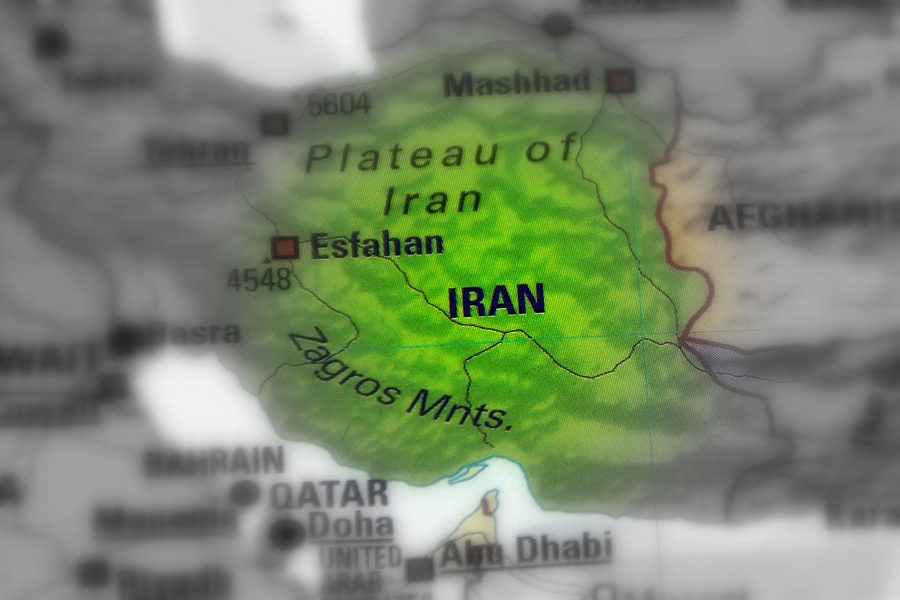
In a significant escalation of tensions in the Middle East, U.S. airstrikes against Iranian positions have continued for the seventh consecutive night, signaling a troubling development in regional stability. The recent operations come amidst Iran’s aggressive maneuvers in the Strait of Hormuz, a critical passage for global oil shipments, which has heightened fears of a broader conflict.
The U.S. strikes primarily target military infrastructure linked to Iranian proxy forces that have been increasingly active in the region. These groups, often operating under the guise of protecting Iranian interests, have been accused of attacking shipping lanes and threatening international waterway security. As tensions have risen, the strategic importance of the Strait of Hormuz, through which approximately 20% of the world’s oil passes, cannot be overstated. The blockade and harassments in this vital corridor have raised alarms for global markets and energy security.
The Biden administration has characterized these strikes as a necessary response to a series of provocations attributed to Iranian forces. U.S. officials assert that the actions taken are meant to deter further aggression and ensure the free flow of maritime commerce. However, Iran has decried the strikes as an act of war, promising swift retaliation that could exacerbate already heightened tensions. The rhetoric from Tehran has included warnings of immediate responses to protect its interests and allies in the region, which may lead to retaliatory attacks on U.S. assets or allies in the area.
The ongoing military actions come following a turbulent few years of U.S.-Iranian relations, largely marked by the fallout from the 2018 withdrawal from the Joint Comprehensive Plan of Action (JCPOA) and subsequent sanctions. The current cycle of hostilities reflects both the fragility of diplomatic relations and the potential slide into open conflict. Analysts suggest that the situation is growing increasingly precarious, especially as military confrontations could spiral beyond the Strait and involve regional powers with vested interests.
The broader implications are profound, challenging not only U.S. foreign policy in the region but also the stability of many nations dependent on oil transit through the Strait of Hormuz. Allies, particularly European nations, are urging for de-escalation and dialogue to prevent a crisis that could have ripple effects on global oil supply and international relations.
As both sides remain staunch in their positions, the potential for miscalculation looms large. The world watches closely, aware that the tactical decisions in the coming days could define the geopolitical landscape of the Middle East for years to come. The dawn of a new era of confrontation between the U.S. and Iran appears imminent, with the specter of conflict rising ominously over the horizon.
For more details and the full reference, visit the source link below:
Read the complete article here: https://www.stl.news/us-strikes-hit-iran-7th-night-strait-of-hormuz/
