
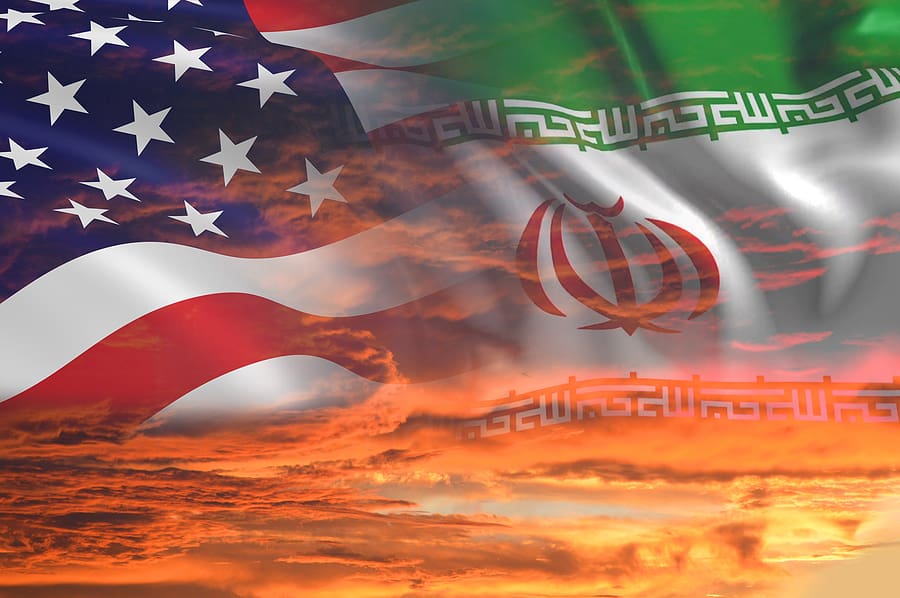
The escalating tensions between the United States and Iran have reached a critical juncture, marked by a naval blockade in strategic waterways. This development represents a significant escalation in a long-standing conflict rooted in political, economic, and military confrontations.
The backdrop of this conflict can be traced to decades of strained relations, highlighted by issues surrounding Iran’s nuclear ambitions, U.S. sanctions, and regional influence in the Middle East. Iranians view U.S. actions, including military presence in the Gulf and past interventions, as a direct threat to their sovereignty. Conversely, the U.S. sees Iran’s military maneuvers and support for proxy groups across the region as destabilizing forces that jeopardize the safety of its allies and international shipping routes.
The naval blockade, aimed at restricting the movement of Iranian oil exports and military supplies, has been characterized by an increased presence of U.S. naval forces in the Persian Gulf. This measure is designed to choke off resources that could be used to fund Iran’s military ambitions or its regional proxies. The Shatt al-Arab waterway and the Strait of Hormuz, which are vital for global oil transportation, have become focal points of this standoff, raising fears of a wider conflict that could disrupt international markets and heighten global tensions.
Iran has vehemently opposed the blockade, responding with threats to retaliate against U.S. interests in the region. This includes potential attacks on U.S.-aligned vessels and the targeting of military installations. Such provocations highlight the precarious balance of power in the region, where any miscalculation could ignite a broader conflict. The stakes are compounded by the ongoing presence of other regional players, including Russia and China, who have criticized U.S. actions and expressed support for Iran.
The potential for diplomatic resolution has dimmed as hardline positions have solidified on both sides. The U.S. administration adamantly defends its actions as necessary to maintain regional stability and protect its allies, while Iran continues to assert its right to self-defense and strategic autonomy. The geopolitical landscape is further complicated by domestic pressures in both countries, where leaders may feel compelled to adopt more militant postures to appease hardline factions.
In summary, the naval blockade in the U.S.-Iran conflict underscores a pivotal moment in the enduring rivalry between the two nations. As both sides position themselves for a potential escalation, the need for dialogue remains crucial. The implications of continued confrontation could resonate far beyond the region, impacting global security and economic stability for years to come.
For more details and the full reference, visit the source link below:
Read the complete article here: https://www.stl.news/us-iran-war-escalates-with-naval-blockade/
