
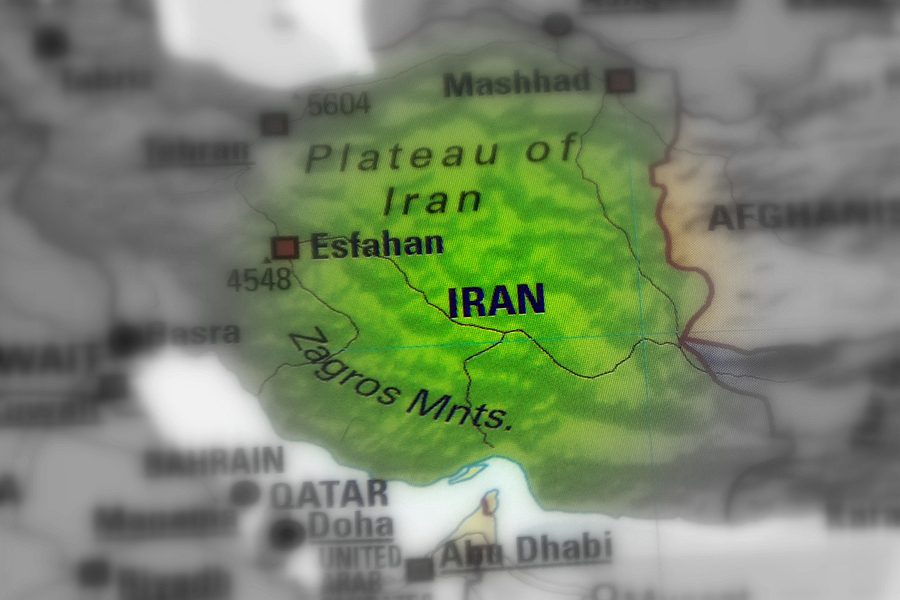
The geopolitical climate surrounding the Strait of Hormuz has reached a boiling point, with the United States completing its twelfth consecutive night of airstrikes targeting strategic positions linked to Iran. This escalation of military action underscores the high-stakes standoff occurring in one of the world’s most vital maritime corridors, through which approximately 20% of global oil shipments pass annually.
The airstrikes are part of a broader strategy aimed at mitigating perceived threats to navigation and security in the Strait of Hormuz, particularly amid heightened tensions following Iran’s aggressive posturing. Iranian naval forces have been increasingly assertive, reportedly deploying military assets that pose risks to commercial vessels operating in this critical waterway. The U.S. military’s actions are intended not only to deter Iranian aggression but also to reassure allies in the region who fear repercussions from a destabilized maritime environment.
As the U.S. conducts these operations, the response from Tehran has been vociferous. Iranian officials have condemned the airstrikes, framing them as acts of aggression and violations of sovereignty. Iran’s strategy appears to involve leveraging its military capabilities to assert control over the Strait of Hormuz, with threats to disrupt shipping lanes that could have global economic ramifications. The tension is exacerbated by a history of retaliatory skirmishes and confrontations in the region, wherein both parties have demonstrated a willingness to engage in brinkmanship.
The situation is complicated by the ongoing negotiations surrounding Iran’s nuclear program. The potential collapse of diplomatic talks has further fueled military developments, as Iran appears to be emboldened by its nuclear advancements, while the U.S. seeks to maintain a strategic edge. The airstrikes serve as a reminder of the high stakes involved, as any miscalculation could lead to an all-out conflict.
Allies and partners in the region are closely monitoring these developments. The Gulf States, in particular, are wary of the ramifications of a full-scale military engagement with Iran. The U.S. has reasserted its commitment to value its partnerships while addressing broader regional security concerns, signaling that it is prepared for sustained military involvement if necessary.
As both sides navigate this delicate impasse, international observers are left to wonder about the long-term implications of these airstrikes. A protracted military campaign may deepen hostilities, potentially destabilizing not only the Gulf region but also global energy markets. Thus, the outcome of this high-stakes standoff remains uncertain, with the possibility of further escalation looming ominously.
For more details and the full reference, visit the source link below:
