
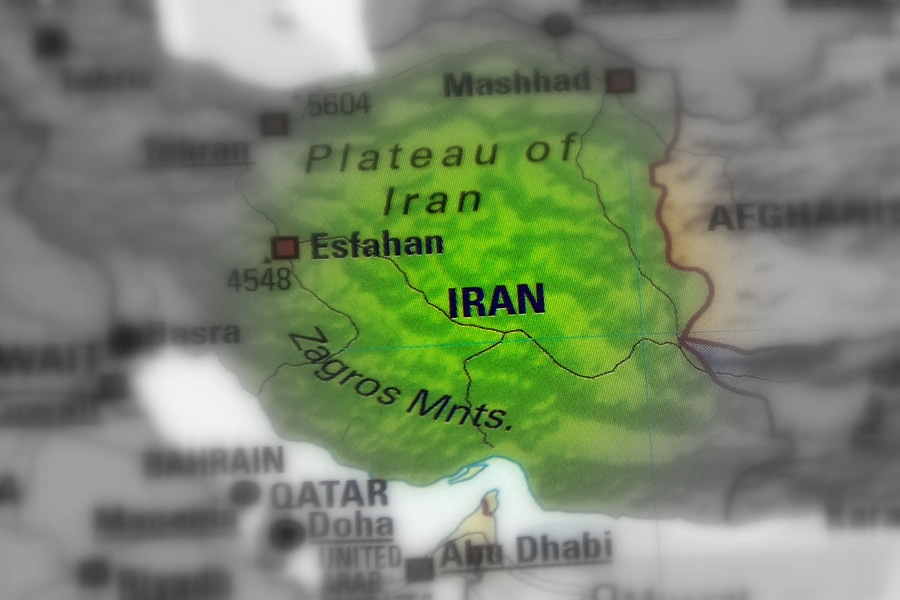
The recent initiation of U.S.-Iran peace talks in Switzerland marks a significant development in the long-standing tensions between the two nations. Following a groundbreaking Memorandum of Understanding (MOU) signed in Islamabad, these talks aim to address critical issues impacting regional stability and the geopolitical landscape.
The Islamabad MOU, inked by representatives from the U.S., Iran, and other key regional players, established a framework for dialogue by setting groundwork principles. It emphasizes mutual respect, security cooperation, and a commitment to addressing the concerns of all parties involved. This step is particularly notable given the historical backdrop of mistrust and adversarial relations between the U.S. and Iran, which has spanned decades marked by sanctions, military confrontations, and diplomatic stalemates.
Switzerland, known for its neutrality and expertise in facilitating international negotiations, has been chosen as the venue for these talks, providing a neutral ground conducive to constructive discussions. The picturesque settings of Geneva have hosted numerous peace talks in the past, reinforcing the idea that diplomacy, dialogue, and compromise can pave the way for resolution.
With both sides entering these negotiations, the stakes are particularly high. The U.S. aims to address Iran’s nuclear program and its influence in the Middle East, while Iran seeks the lifting of sanctions that have severely impacted its economy. Both nations, aware of the public and international scrutiny over these talks, have expressed cautious optimism, recognizing that this moment could signify a turning point.
Regional allies and adversaries are closely monitoring the unfolding discussions, hopeful that a breakthrough could lead to a broader reconciliation process within the Middle East. Stakeholders, including Saudi Arabia and Israel, have voiced their concerns regarding Iran’s regional ambitions; thus, any agreement that emerges from these dialogues will likely require balancing the interests and security needs of various nations.
Moreover, the ongoing humanitarian concerns that stemmed from years of sanctions cannot be overlooked. Both nations are under pressure to address the implications of their actions on civilian life, particularly in Iran, where economic hardships have led to significant public unrest.
As talks progress, the potential for a new chapter in U.S.-Iran relations hangs in the balance. The world watches closely, hopeful that through diplomacy and mutual willingness to engage, a peaceful resolution can be achieved. With cautious optimism, both nations embark on this journey, aware that the road ahead will be fraught with challenges but also filled with opportunities for a more stable future.
For more details and the full reference, visit the source link below:
Read the complete article here: https://www.stl.news/u-s-iran-peace-talks-begin-in-switzerland/
