
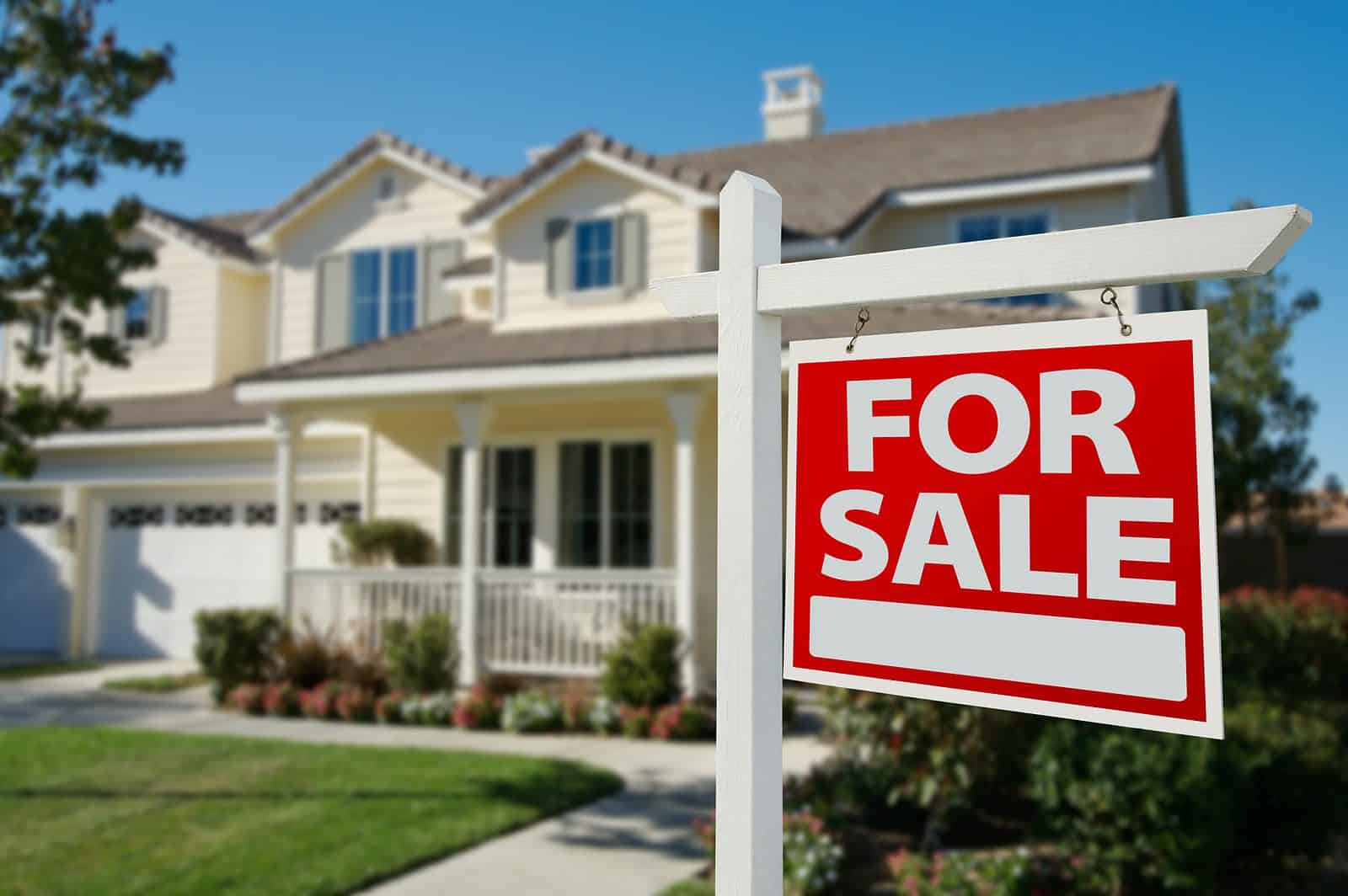
In recent months, the U.S. has witnessed a significant surge in foreclosure activity, with reports indicating a 21% increase. This alarming trend reflects the compounding financial pressures faced by homeowners across the country. A combination of rising interest rates, inflation, and economic instability has left many homeowners grappling with the harsh reality of impending foreclosure.
The spike in foreclosure filings can be attributed to several key factors. First, the Federal Reserve’s attempts to combat inflation have resulted in higher interest rates. As mortgage rates rise, many homeowners find their monthly payments becoming unmanageable, particularly those who purchased properties during the previous period of historically low rates. This shift places a heavy financial burden on families, leading to missed payments and, ultimately, foreclosure.
Additionally, inflation continues to impact household budgets, driving up costs for essentials such as groceries, gas, and utilities. Many families are struggling to balance these rising costs while keeping up with mortgage payments. The burden of increased living expenses, combined with stagnant wages in many sectors, places homeowners in a precarious position, where falling behind on mortgage obligations becomes increasingly likely.
Historically, foreclosure proceedings tend to rise in response to economic turbulence, and the current market is no exception. The COVID-19 pandemic, which initially caused a temporary suspension of foreclosures due to government intervention, provided a brief reprieve for many. However, as those protections have eased, the floodgates have opened, with many homeowners now facing negative equity due to declining property values in some areas.
Demographic disparities also play a crucial role in the current foreclosure climate. Communities of color and low-income areas are often disproportionately affected, exacerbating existing inequalities in housing access and stability. As these groups experience financial distress, they are more likely to suffer the consequences of foreclosure, leading to long-term ramifications for families and neighborhoods alike.
In response to this growing crisis, various organizations and government entities are working to support struggling homeowners through financial counseling, loan modification programs, and other resources aimed at prevention. However, as foreclosure activity continues to climb, the urgency for comprehensive solutions becomes increasingly critical.
Ultimately, the 21% rise in U.S. foreclosure activity serves as a stark reminder of the vulnerabilities in the housing market and the impact of macroeconomic factors on individual homeowners. As families navigate these financial challenges, the focus must remain on fostering stability and providing robust support systems to prevent further displacement and community disintegration.
For more details and the full reference, visit the source link below:
Read the complete article here: https://www.stl.news/u-s-foreclosure-climbs-21-financial-homeowners/
