
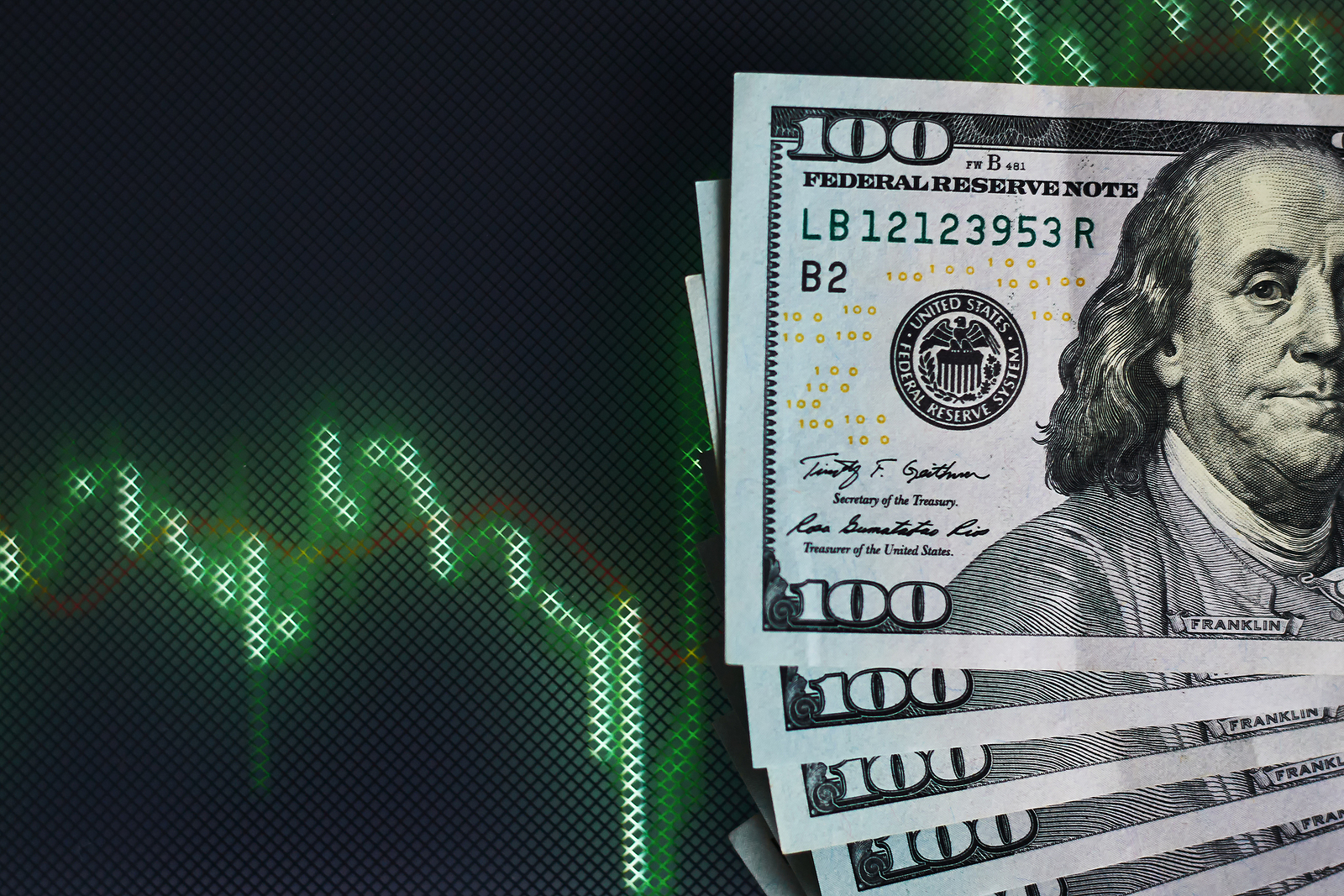
The recent surge in the U.S. Dollar Index (DXY) reflects growing global uncertainties, particularly surrounding the ongoing conflict in Iran. As tensions escalate in the Middle East, the dollar has strengthened significantly against a basket of other major currencies, driven by geopolitical instability, safe-haven dynamics, and shifts in investor sentiment.
The Iran conflict has prompted fears that regional disruptions could impact oil supplies, which subsequently influence inflation and economic growth forecasts worldwide. As a result, traders are flocking to the U.S. dollar, traditionally viewed as a safe haven during times of crisis. This influx of demand has pushed the DXY, which measures the value of the dollar against six major currencies, to impressive heights, highlighting the dollar’s resilience amid uncertainty.
Moreover, the Federal Reserve’s monetary policy also plays a crucial role in the dollar’s strength. The central bank’s recent signals of maintaining or even tightening interest rates contrast starkly with the monetary policy directions of other central banks, which are leaning towards looser policies to support their economies. This divergence further enhances the dollar’s appeal to foreign investors seeking higher yields, driving up demand and creating upward pressure on the index.
The ripple effects of the dollar’s surge are felt globally. Emerging markets, particularly those that rely heavily on dollar-denominated debt, may face increasing financial strains as their currencies depreciate against the dollar. This situation can lead to heightened volatility in foreign exchange markets, making it increasingly difficult for countries to navigate their fiscal responsibilities. For example, countries like Turkey and Argentina, which have significant dollar-denominated debts, could experience inflationary pressures that could destabilize their economies further.
Conversely, a stronger dollar can be beneficial for U.S. consumers, as it reduces the cost of imported goods. However, it may adversely impact U.S. exports by making American goods more expensive for foreign buyers, potentially widening the trade deficit. This conflict between domestic consumers and exporters forms a complex web that policymakers must navigate carefully.
As global markets continue to react to the ongoing situation in Iran and the fluctuations of the dollar, investors and analysts are keenly watching for indicators that may signal future adjustments in Federal Reserve policies, economic growth trajectories, and overall stability in international markets. The interplay between geopolitical conflicts and economic indicators is a testament to the intrinsic link between politics and finance, illuminating the broader narrative of our interconnected world.
For more details and the full reference, visit the source link below:
