
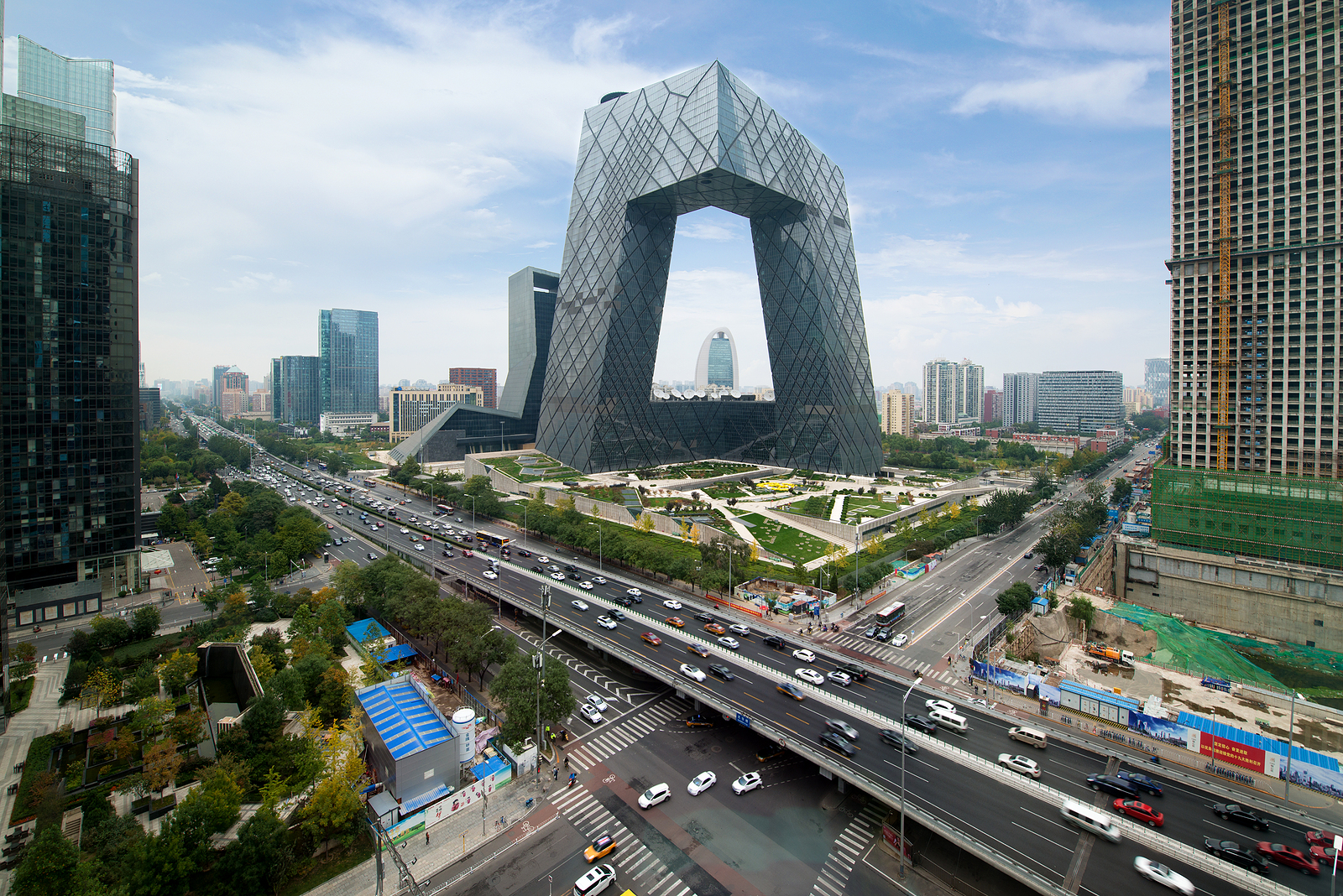
Trump Returns to Beijing During One of the Most Dangerous Global Periods in Years
Former President Donald Trump’s recent visit to Beijing has sparked a flurry of discussion and debate worldwide, particularly given the current geopolitical climate. As tensions escalate between major powers, including the United States and China, Trump’s return to the capital of the world’s most populous nation raises critical questions about diplomacy, trade, and the future of international relations.
The timing of Trump’s visit is particularly notable. The global landscape is fraught with challenges: rising authoritarianism, climate change, and significant economic uncertainty. Additionally, the ongoing conflict in Eastern Europe, marked by Russia’s invasion of Ukraine, has created an environment of distrust among nations. In this precarious context, Trump’s self-proclaimed status as a master negotiator will be put to the test as he seeks to re-engage with China’s leadership.
One of the primary concerns surrounding the visit is the state of U.S.-China relations. In recent years, the two countries have navigated a rocky path, characterized by trade wars, technological competition, and military posturing in the South China Sea. Trump’s approach to foreign policy during his presidency was often combative, employing tariffs and sanctions in an effort to reshape China’s trade practices. His return could signal a shift towards dialogue or, conversely, escalate existing tensions depending on how he chooses to articulate his agenda.
Moreover, Trump’s visit is poised to impact various sectors, including technology, agriculture, and manufacturing—areas where U.S.-China competition is most pronounced. As both nations grapple with domestic pressures, including economic recovery following the pandemic, the potential for collaboration in areas such as climate change and pandemic preparedness cannot be overlooked. However, the complexities of mutual distrust make such proposals difficult to implement.
Public opinion in both the United States and China will also play a crucial role in the success of this visit. While Trump’s supporters may view his return as an opportunity to stabilize relations, critics might question the efficacy of his previous tactics. In a nation that prides itself on its democratic ideals, the complexity of engaging with a one-party state like China adds an additional layer of challenge.
Ultimately, Trump’s return to Beijing comes at an inflection point in history, one where effective diplomacy is more crucial than ever. How he navigates this visit will not only shape the future of U.S.-China relations but also have far-reaching implications for global stability. In a world where cooperation is increasingly essential to tackle existential threats, the question remains—will this visit foster dialogue or deepen divides? The answer could help define international relations in the years to come.
For more details and the full reference, visit the source link below:
