
The Strait of Hormuz Crisis: Redefining Geopolitics and Global Energy Security
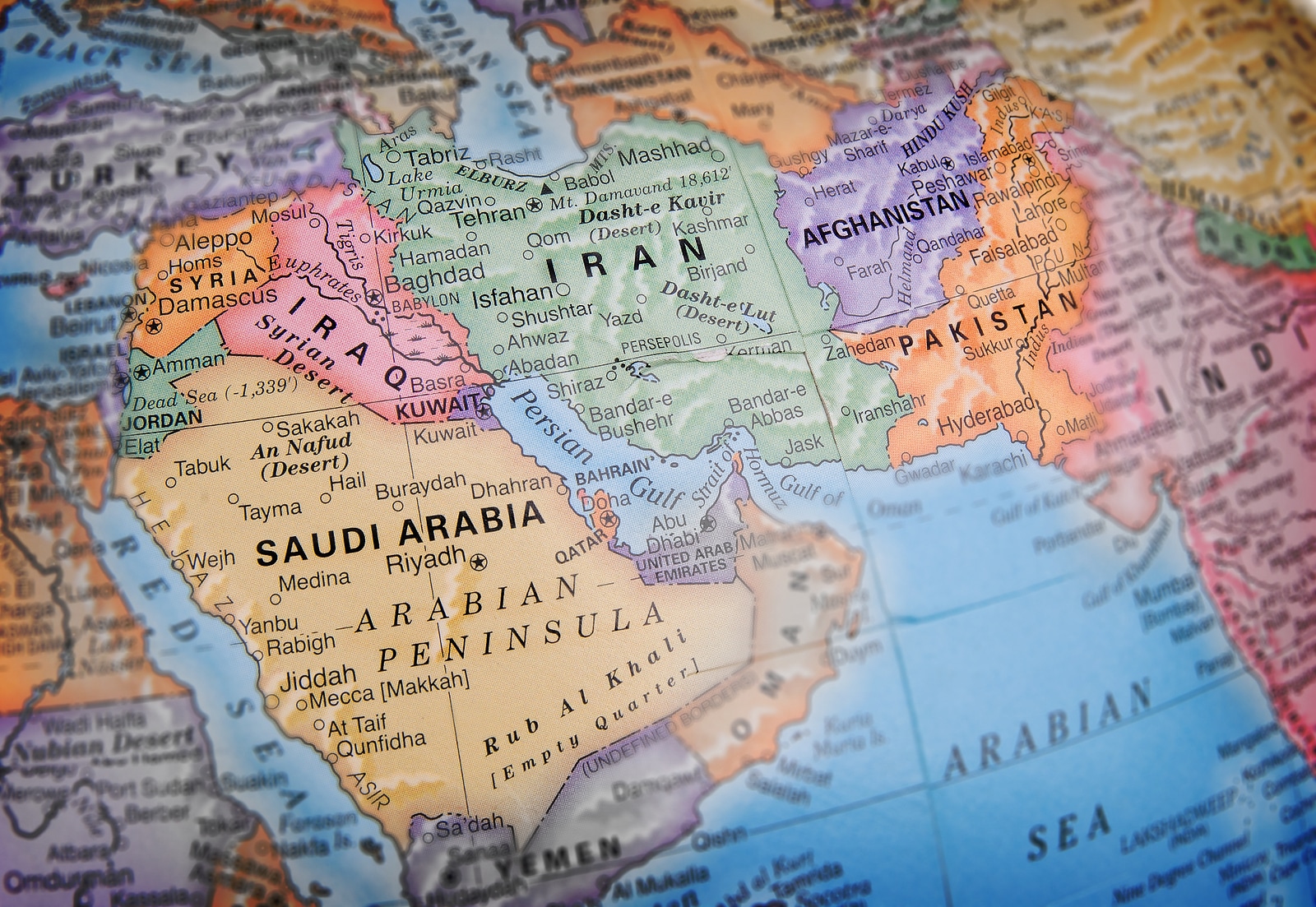
The Strait of Hormuz, a narrow passage between Oman and Iran, is one of the world’s most critical chokepoints for maritime oil transport. Approximately 20% of the world’s petroleum passes through this vital corridor, making its stability essential for global energy security. In recent years, tensions in the region have heightened due to geopolitical rivalries, leading to a crisis that not only affects oil prices but also redefines international relations and security strategies.
The strait has historically been a flashpoint of conflict, particularly involving Iran and its regional adversaries. With Iran’s strategic location, it has leveraged its geographic advantage by threatening to close the strait during times of heightened tension, particularly when it perceives foreign threats or sanctions. Such threats have significant implications for global oil markets and can lead to immediate spikes in crude prices, affecting economic stability worldwide.
Geopolitically, the crisis in the Strait of Hormuz represents a microcosm of broader Middle Eastern tensions. The rivalry between Iran and Saudi Arabia, backed by the West, particularly the United States, is exacerbated by the sectarian divide between Sunni and Shia Islam. As Iran continues to assert its influence in the region, through proxy groups in Iraq, Syria, and Lebanon, the stakes in the Strait of Hormuz become even higher. The potential for military confrontation looms large, casting a long shadow over diplomatic efforts and stability in the Persian Gulf.
The implications of the crisis stretch far beyond regional dynamics. Disruptions in oil supply from the Persian Gulf have a cascading effect on global energy security, leading to increased transportation costs and inflation in oil-dependent economies. Countries increasingly recognize the need to diversify their energy sources to mitigate risks associated with this precarious geopolitical situation. Renewable energy adoption has gained momentum as nations strive to reduce their vulnerability to fluctuations in the oil market driven by Middle Eastern conflicts.
Furthermore, the Strait of Hormuz crisis challenges multilateral alliances and force structure in the region. U.S. military presence aims to deter Iranian aggression, while nations like China and Russia observe closely, viewing opportunities to expand their influence. The potential for a larger conflict could reshape the alliances that define international security architecture.
In conclusion, the Strait of Hormuz crisis not only highlights the fragility of global energy security but also redefines geopolitical alignments. As nations navigate these treacherous waters, a comprehensive and cooperative approach is vital to forge stability, ensuring that this essential maritime route remains open and secure for future generations.
For more details and the full reference, visit the source link below:
