
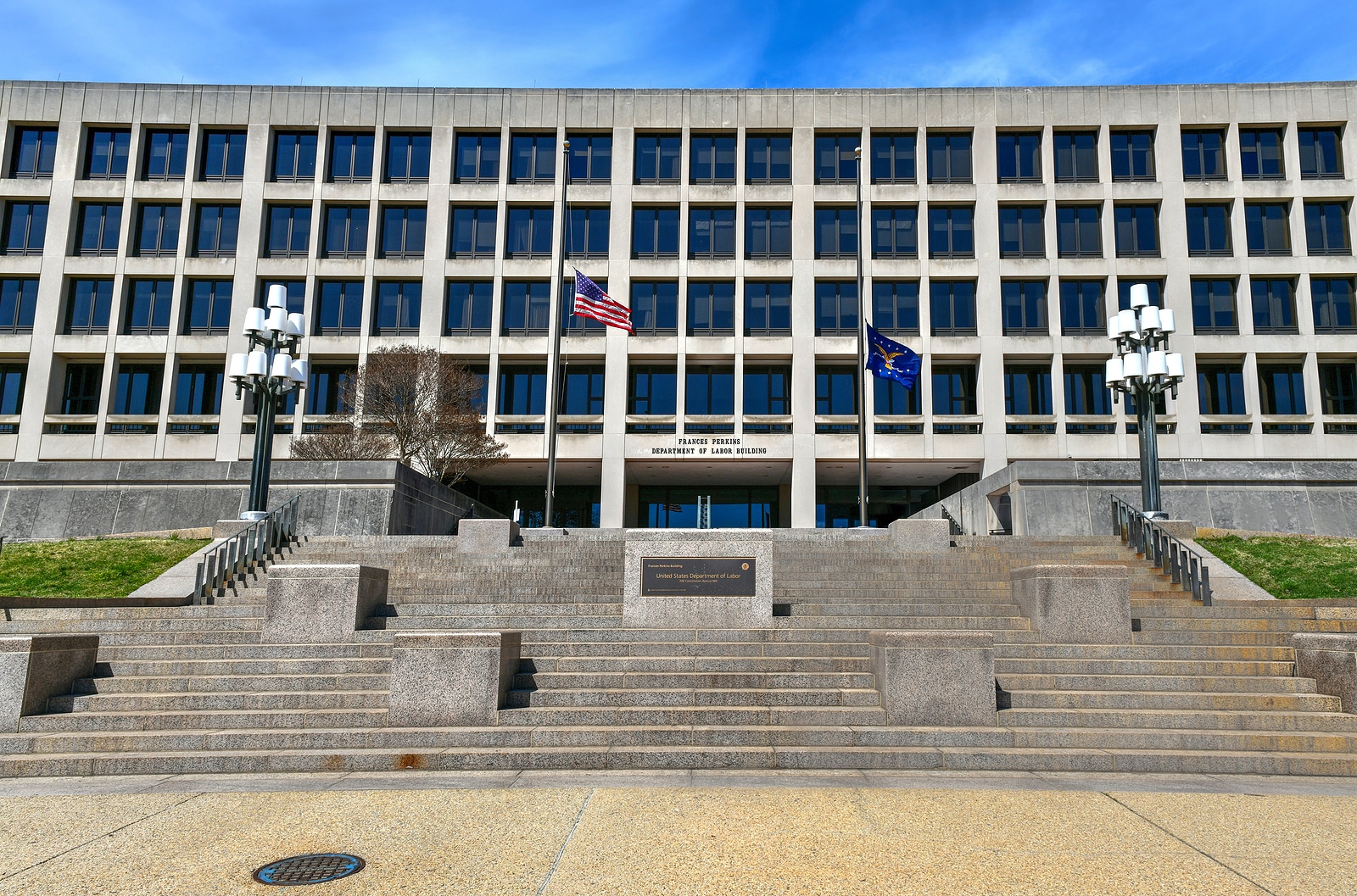
The recent case involving The State Group Industrial and a significant $1.7 million in back wages has drawn attention to labor practices and the enforcement of wage and hour laws. This situation, initiated by the Department of Labor (DOL), highlights critical issues facing both workers and employers in today’s labor market.
The crux of the matter revolves around the failure to pay employees the wages they are legally entitled to. The DOL’s investigation revealed violations related to the Fair Labor Standards Act (FLSA), including flaws in overtime calculations and improper classification of employees. This case may serve as a wake-up call for many organizations regarding the importance of compliance with federal wage laws.
For workers, the implications are profound. The DOL’s actions signify an assertion of employees’ rights to fair compensation, ensuring that they receive not only the minimum wage but also rightful overtime pay. This announcement reinforces the concept that underpayment or misunderstanding of wage laws will not be overlooked. Employees may feel emboldened to report similar grievances, knowing that the DOL is actively pursuing compliance and holding companies accountable.
Beyond the welfare of employees, this case sends a clear message to employers about the importance of adhering to wage laws. Companies must ensure that their payroll systems are transparent and compliant with regulations. Failures in this area could lead to costly penalties, reputational damage, and diminished employee morale. In an increasingly competitive labor market, maintaining trust and transparency is vital for retaining talent and fostering loyalty among employees.
Moreover, as remote work and gig economy jobs become more prevalent, the complexity of wage laws is likely to increase. Employers must invest time and resources to understand their obligations under the law and implement effective practices for calculating wages. This may include regular audits, employee training sessions, and updated policies.
The case against The State Group Industrial exemplifies a broader trend where regulatory scrutiny is increasing. The DOL is enhancing its enforcement efforts, and more companies may find themselves on the receiving end of similar investigations. This could potentially lead to a more level playing field in labor practices, benefiting employees across various industries.
In conclusion, the $1.7 million back wage case against The State Group Industrial serves as a crucial reminder of the responsibilities that both workers and employers have within the labor market. It reflects the ongoing struggle for fair labor practices and the need for compliance with wage laws, underscoring the importance of fairness, equity, and transparency in the workplace. As this case unfolds, it will be closely watched and likely influence future labor policies and business practices.
For more details and the full reference, visit the source link below:
