
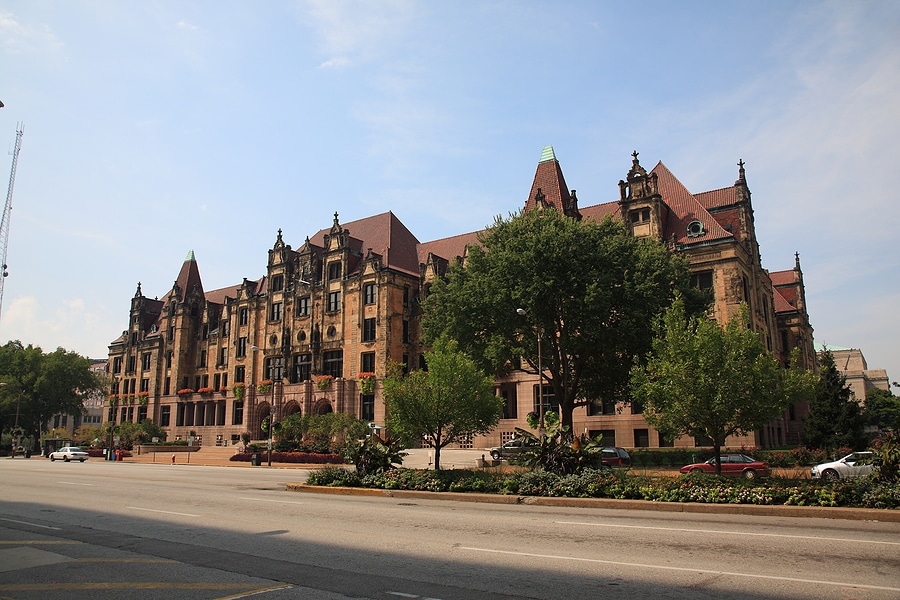
The urban landscapes of Kansas City and St. Louis provide a compelling case study in the anatomy of urban failure and resurgence. While both cities are geographically close and share a rich cultural history, their trajectories in the post-industrial era have diverged significantly. This divergence raises questions about leadership, community engagement, and urban policy.
Kansas City’s resurgence can be attributed to a combination of adaptive leadership and a proactive approach to urban development. Over the past few decades, city officials and stakeholders have focused on revitalizing their downtown area, transforming it into a vibrant hub of creativity and commerce. Investments in public spaces, infrastructure, and cultural amenities have played a critical role in making the city attractive not only to residents but also to businesses and tourists. The presence of institutions like the Kauffman Foundation has fostered entrepreneurship and innovation, further enhancing the city’s economic prospects.
In contrast, St. Louis has faced significant challenges, often attributed to an entrenched leadership that resists progressive change. The city has struggled with issues including a declining population, economic stagnation, and deteriorating infrastructure. Leaders often return to the same outdated strategies, failing to engage with community-driven initiatives or adapt to the changing landscape. This lack of responsiveness can erode public trust and hinder meaningful progress.
St. Louis’s failure to learn from Kansas City’s successes is particularly glaring in terms of public engagement and collaboration. Community stakeholders in Kansas City, including local residents, businesses, and nonprofits, have collaborated to create inclusive policies that reflect the needs and desires of a diverse population. Communities in St. Louis, however, have often felt excluded from the decision-making process, leading to resentment and disconnection. The top-down approach has stymied grassroots efforts that could foster innovation and revitalization.
The contrast is also evident in how each city tackles socioeconomic issues. Kansas City’s strategies have included targeted investments in education and workforce development, equipping residents with skills relevant to a changing economy. Meanwhile, St. Louis continues to grapple with systemic inequalities that have persisted for decades, with inadequate focus on education and job training.
In conclusion, the divergent paths of Kansas City and St. Louis serve as a poignant reminder of the importance of responsive leadership, community engagement, and a willingness to adapt and learn. As St. Louis faces ongoing challenges, it must seek inspiration from its neighbor’s successes while acknowledging and addressing its own shortcomings. Urban revival is not just about physical revitalization; it requires a concerted effort to bring communities together and foster a sense of shared purpose in overcoming the challenges of the modern urban landscape.
For more details and the full reference, visit the source link below:
