
The 2026 Iran War: An Exhaustive Historical, Strategic, and Chronological Reference
The 2026 Iran War, a pivotal conflict in Middle Eastern geopolitics, was characterized by a complex interplay of historical grievances, regional rivalries, and international alliances. Rooted in decades of tension, the war marked a significant shift in global strategic dynamics and power balances, influencing events far beyond its immediate theater.
Historical Context
The origins of the Iran War can be traced back to the 1979 Iranian Revolution, which ousted the pro-Western Shah and established an Islamic Republic under Ayatollah Khomeini. This event dramatically altered the geopolitical landscape of the region, leading to animosity between Iran and the West, particularly the United States. Subsequent events, including the Iran-Iraq War (1980-1988) and the U.S. invasions of Afghanistan and Iraq, further entrenched Iran’s position as a regional power seeking to expand its influence amid perceived encirclement.
Strategic Factors
By 2026, Iran’s nuclear ambitions had become a central issue in international relations. Despite years of negotiations and sanctions, Tehran continued its nuclear program, prompting fears from regional adversaries, particularly Saudi Arabia and Israel. The latter perceived a nuclear-armed Iran as an existential threat, leading to a preemptive alliance aimed at countering Iran’s influence.
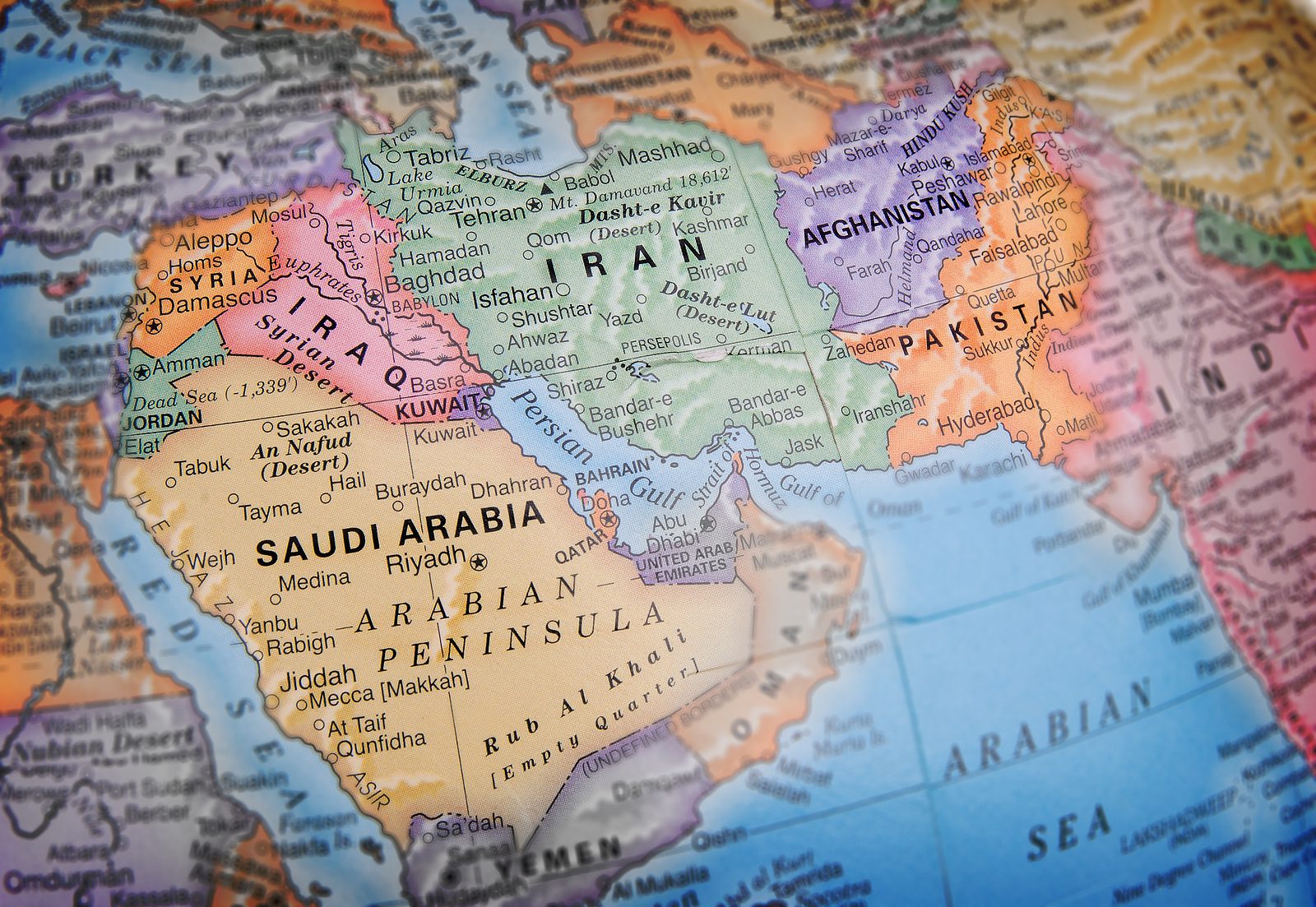
Simultaneously, the strategic importance of the Strait of Hormuz—a gateway for a significant portion of the world’s oil supply—heightened the stakes. Control over this crucial maritime artery became a flashpoint, as both Iranian naval forces and U.S. military assets positioned themselves for potential conflict.
Chronological Developments
In early 2026, tensions escalated following a series of skirmishes between Iranian forces and U.S. naval units in the Persian Gulf. Diplomatic efforts to de-escalate the situation failed, and by mid-spring, a full-scale war erupted. The initial phases saw rapid military engagements, including airstrikes on Iranian nuclear facilities and robust cyber warfare aimed at crippling Iran’s infrastructure.
As the war progressed, regional dynamics shifted dramatically. Iran quickly allied with non-state actors in Iraq and Syria, launching retaliatory campaigns. Meanwhile, the U.S. and its allies conducted ground operations aimed at destabilizing the Iranian government. The conflict led to significant civilian casualties and a humanitarian crisis, resulting in international calls for ceasefire and negotiations.
By late 2026, an exhausted Iran, facing internal strife and economic collapse, sought a diplomatic resolution, leading to the historic Treaty of Tehran. This agreement mandated the cessation of hostilities, strict monitoring of Iran’s nuclear program, and a phased withdrawal of foreign troops. Although a fragile peace emerged, the legacy of the war left deep scars in the region, influencing global energy markets and security policies for years to come.
In summary, the 2026 Iran War serves as a stark reminder of the complexities of modern warfare, underscoring the intricate ties between history, strategy, and international relations. Its impact reverberated well beyond the battlefield, reshaping alliances and perceptions in a rapidly evolving world.
For more details and the full reference, visit the source link below:
