
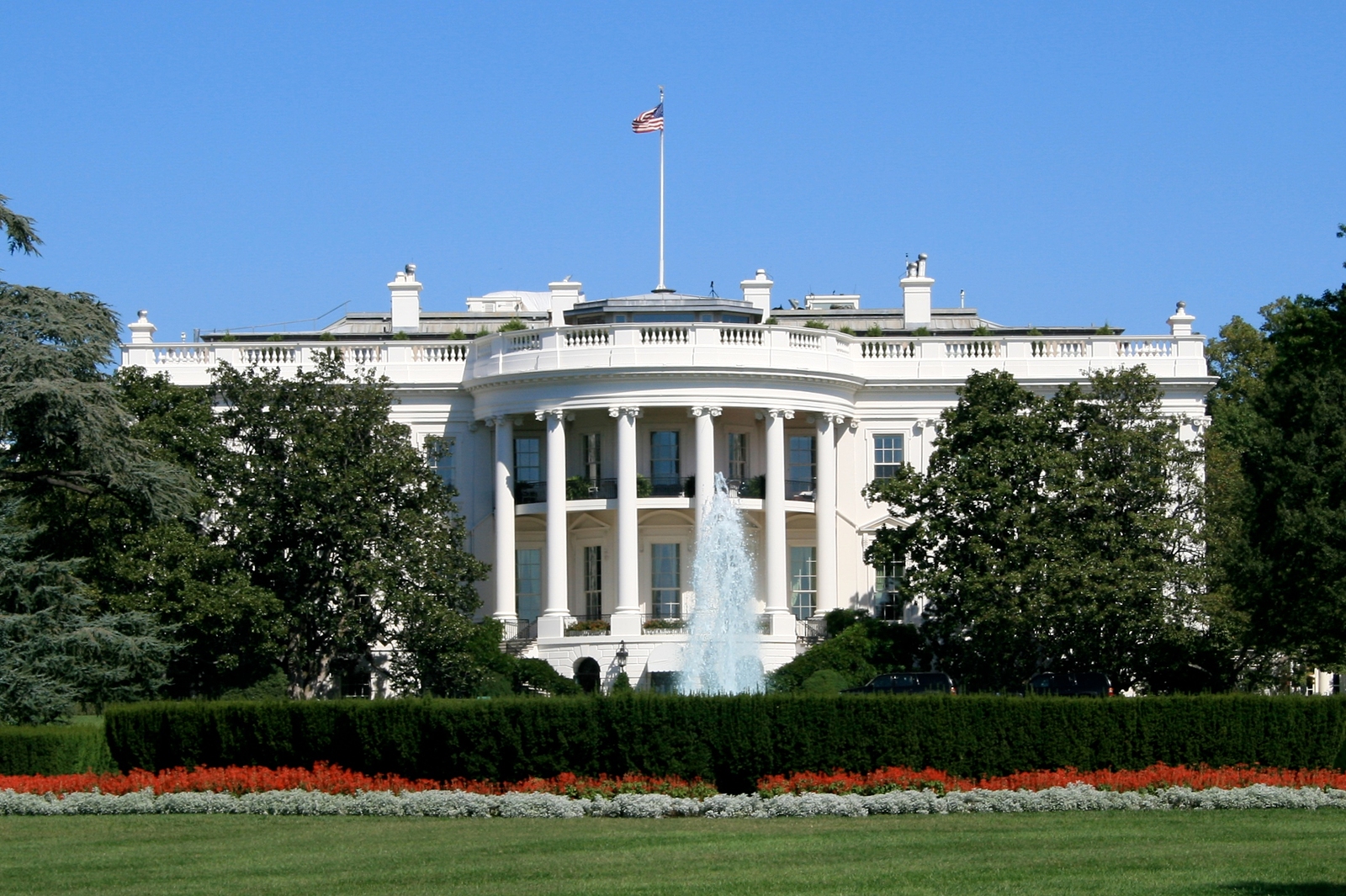
On a tense Monday afternoon near the White House, a suspect was fatally shot after an encounter with law enforcement at a security checkpoint. The incident unfolded around 3 p.m., prompting swift responses from law enforcement agencies and drawing a significant police presence to the area. The situation raised alarm not only for the immediate vicinity but also for those concerned about security measures surrounding one of the nation’s most prominent landmarks.
Eyewitness accounts describe a chaotic scene as gunfire erupted near the heavily fortified perimeter of the White House complex. Early reports suggested the individual approached the security checkpoint aggressively, leading to escalating tensions. U.S. Secret Service agents, tasked with protecting the President and the White House, responded decisively. Witnesses later recounted hearing multiple shots fired, confirming that the encounter escalated quickly.
This incident comes against a backdrop of increased scrutiny regarding security protocols in and around the White House, especially in light of the rising frequency of violence in urban settings. The Secret Service is already under pressure to balance the essential need for security with the public’s right to access federal spaces. The events of the day prompted intensified discussions about the adequacy of security measures, especially given that the White House represents not just a residence for the President but also a symbol of American democracy.
In the aftermath, law enforcement secured the area and began an investigation into the circumstances surrounding the shooting. Authorities have not yet released the identity of the deceased suspect, nor have they provided details about the motivations behind their actions. Questions linger regarding whether this individual aimed to harm the security personnel or intended to make a statement. The event leaves a chilling reminder of the potential dangers faced by those responsible for protecting national security.
Additionally, local and federal law enforcement agencies coordinated with each other to ensure both the safety of the public and to investigate the incident thoroughly. The FBI has taken a lead role in the inquiry, reflecting the seriousness with which authorities are treating this alarming situation.
As discussions about security and public safety unfold, residents and visitors to Washington, D.C., remain watchful. As always, the vitality and resilience of the nation’s capital continue amidst such incidents, reminding citizens of the ongoing challenges in ensuring safety while maintaining an open and accessible democratic space. The ramifications of this event will likely reverberate far beyond the streets near the White House, influencing public sentiment and policy discussions on security nationwide.
For more details and the full reference, visit the source link below:
