
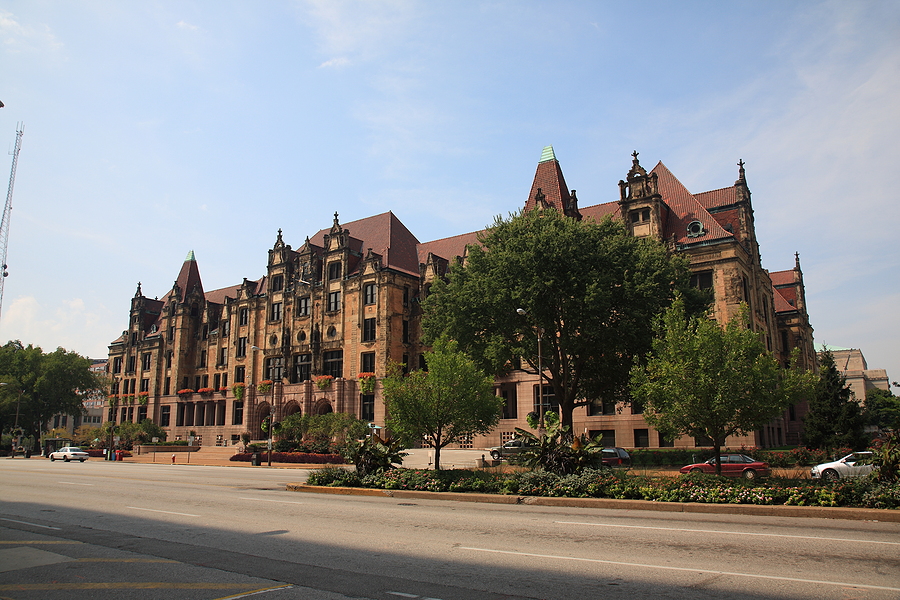
One year following the devastating tornado that struck St. Louis, the city is grappling with significant recovery challenges, leading to heightened frustration among residents. The community, which once demonstrated remarkable resilience in the face of natural disasters, now finds itself burdened by high taxes, slow governmental response, and a growing sense of despair.
In the aftermath of the tornado, recovery efforts were initially met with optimism. However, as 2026 progressed, the reality of bureaucratic delays set in. Residents have voiced concerns over the slow pace of rebuilding efforts, with homes and businesses still in ruin, and essential infrastructure remaining unrepaired. Many citizens expected faster action, especially given the extensive damage and the federal funding that followed the disaster declaration. Unfortunately, the combination of slow response from local authorities and persistent red tape has left many feeling abandoned.
Adding to the frustration is the rising tax burden that St. Louis residents are grappling with. Though the city has increased property taxes ostensibly to fund recovery and infrastructure improvements, many homeowners feel that their tax money is not being effectively utilized. The outcry over high taxes amid slow progress has created a sense of injustice, as families face mounting financial pressures while still reeling from personal losses incurred by the tornado. The contrast between the speed of recovery needed and the pace at which it is occurring exacerbates residents’ irritation.
Community leaders have begun to take notice of these growing sentiments. Local town halls and community forums have become crucial platforms for residents to voice their frustrations, propose solutions, and push for accountability. Citizens are advocating for more transparency regarding how public funds are managed, demanding that the government prioritize timely assistance and swift action in rebuilding efforts. The disconnect between the residents’ daily struggles and the bureaucratic system has fostered a climate of skepticism, with many questioning whether their voices are being truly heard.
As the city continues its recovery journey, the need for concrete action is paramount. Collaborative efforts that focus not only on rebuilding infrastructure but also on addressing the social and economic needs of the community are essential. A transparent recovery process, combined with a reassessment of taxation policies, might restore some sense of trust among residents.
In conclusion, the path to recovery in St. Louis is fraught with challenges as the community faces high taxes, slow responses, and growing frustration. A renewed commitment to effective leadership and community engagement is crucial to ensure that the lessons learned from this disaster lead to a more resilient and equitable St. Louis.
For more details and the full reference, visit the source link below:
Read the complete article here: https://www.stl.news/st-louis-tornado-recovery-one-year-later-2026/
