
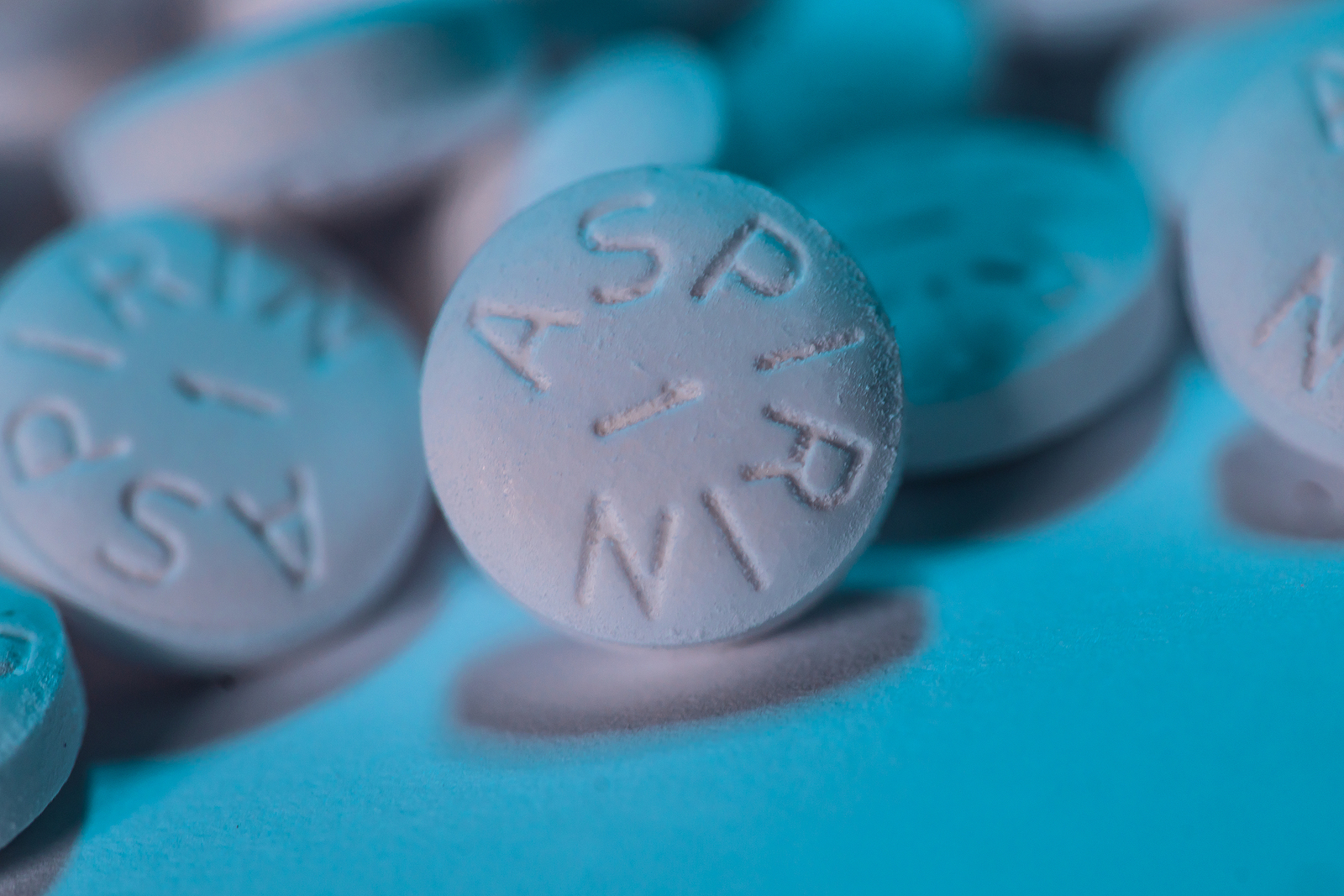
Should Older Adults Take Aspirin Every Day? Understanding the Benefits and Risks
Aspirin, a common over-the-counter medication, has long been used for its pain-relieving and anti-inflammatory properties. In recent decades, its role in cardiovascular health has garnered significant attention, especially concerning older adults. The question of whether older adults should take aspirin daily revolves around the balance between its potential benefits and inherent risks.
One of the main benefits of daily aspirin use in older adults is its ability to reduce the risk of cardiovascular events, such as heart attacks and strokes. Aspirin works by inhibiting platelet aggregation, which helps prevent blood clots from forming in narrow or damaged arteries. For individuals who have already experienced a cardiovascular event or have a high risk of heart disease, daily aspirin may be recommended by healthcare professionals as a preventative measure. This can be particularly crucial for older adults, as their risk factors—such as high blood pressure, diabetes, and hyperlipidemia—often increase with age.
However, the decision to take aspirin daily is not without risks. One of the most significant concerns is the potential for gastrointestinal bleeding. Older adults are already at a higher risk for various gastrointestinal issues, including ulcers and bleeding disorders. Aspirin’s blood-thinning properties can exacerbate these risks. Additionally, other adverse effects, such as allergic reactions and interactions with other medications, can pose threats, particularly in multi-drug regimens that older adults often follow.
Recent studies have also questioned the blanket recommendation of daily aspirin use among older adults without prior cardiovascular issues. The U.S. Preventive Services Task Force suggests that individuals over 60 who have never had a heart attack or stroke weigh the risks versus benefits, as the potential for bleeding may outweigh the preventive benefits of aspirin. Moreover, for individuals who are frailer or have multiple comorbidities, the risks could be more pronounced.
Ultimately, the decision to take daily aspirin should be personalized and made in consultation with a healthcare provider. Open discussions about individual health history, existing medical conditions, and lifestyle factors are crucial. For some older adults, the protective benefits of aspirin may be substantial, while for others, particularly those at increased risk of bleeding, avoiding daily aspirin may be the wiser choice.
In conclusion, while daily aspirin can offer significant cardiovascular protection for certain older adults, it is not a one-size-fits-all solution. Understanding both the potential benefits and risks is vital to making an informed decision tailored to each individual’s health profile. Regular consultations with healthcare providers are essential in managing this decision effectively.
For more details and the full reference, visit the source link below:
