
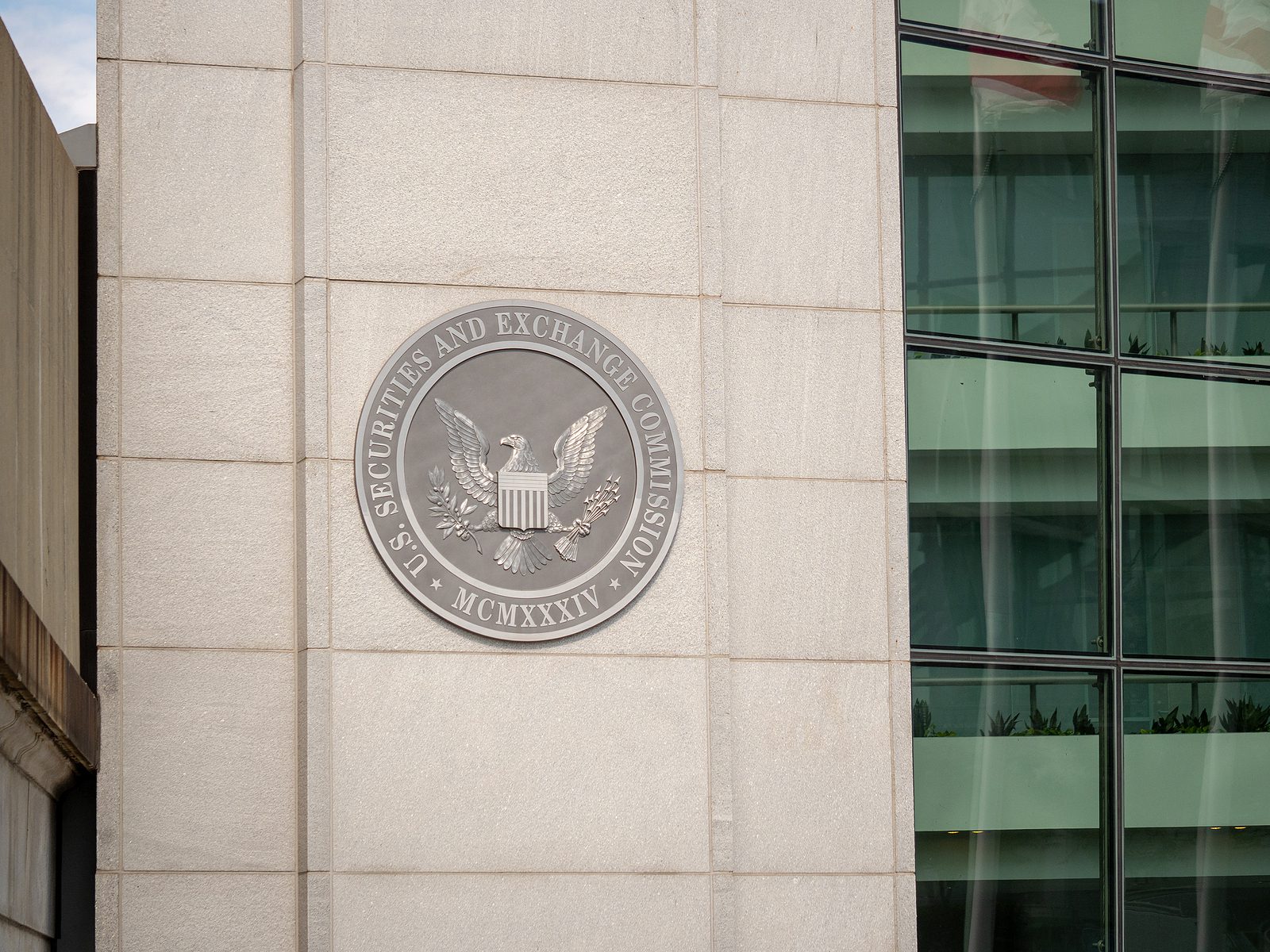
The U.S. Securities and Exchange Commission (SEC) has recently charged Andrew Spaventa in connection with a staggering $74 million scheme that allegedly defrauded investors. The accusations center around the operation of a Ponzi-like scheme, where funds from new investors were reportedly used to pay returns to earlier investors, rather than being invested in legitimate business ventures. This fraudulent activity has raised significant concerns about investor protection and the integrity of financial markets.
According to the SEC’s complaint, Spaventa misled investors by presenting false information about the nature of the investments. He purportedly claimed that the investments would generate substantial returns, but instead, he was using the money to enrich himself and maintain a lavish lifestyle. The SEC alleges that the scheme took place over several years, during which Spaventa attracted numerous investors, lured by promises of high returns with minimal risk—an all-too-familiar red flag in the world of investment fraud.
The complaint paints a disturbing picture of deceit, as Spaventa reportedly provided fabricated documents and misleading financial statements to bolster his claims. This type of misrepresentation is not just unethical; it is illegal. The SEC takes such violations seriously, particularly when they involve the misappropriation of millions of dollars from unsuspecting investors. The regulatory body emphasizes the importance of transparency and honesty in financial dealings, seeking to protect the public from similar schemes.
Additionally, the SEC’s charges highlight the necessity for due diligence on the part of investors. While seasoned investors are often aware of the risks associated with certain types of investments, less experienced individuals may fall prey to fraudulent schemes due to a lack of knowledge or understanding. This case serves as a critical reminder for investors to conduct thorough research and scrutinize investment opportunities, regardless of how appealing they may seem.
The SEC is seeking to impose civil penalties on Spaventa, as well as the return of any ill-gotten gains. Furthermore, this situation underscores the SEC’s commitment to investigating and prosecuting fraud in all forms, with the aim of maintaining market integrity. As this case unfolds, it serves as a cautionary tale of the dangers of investment scams and the importance of regulatory oversight in the financial sector.
In conclusion, the charges against Andrew Spaventa illuminate the ongoing battle against investment fraud and the SEC’s role in protecting investors. This case is a stark reminder for all parties involved in financial transactions to remain vigilant and skeptical of offers that seem too good to be true.
For more details and the full reference, visit the source link below:
