
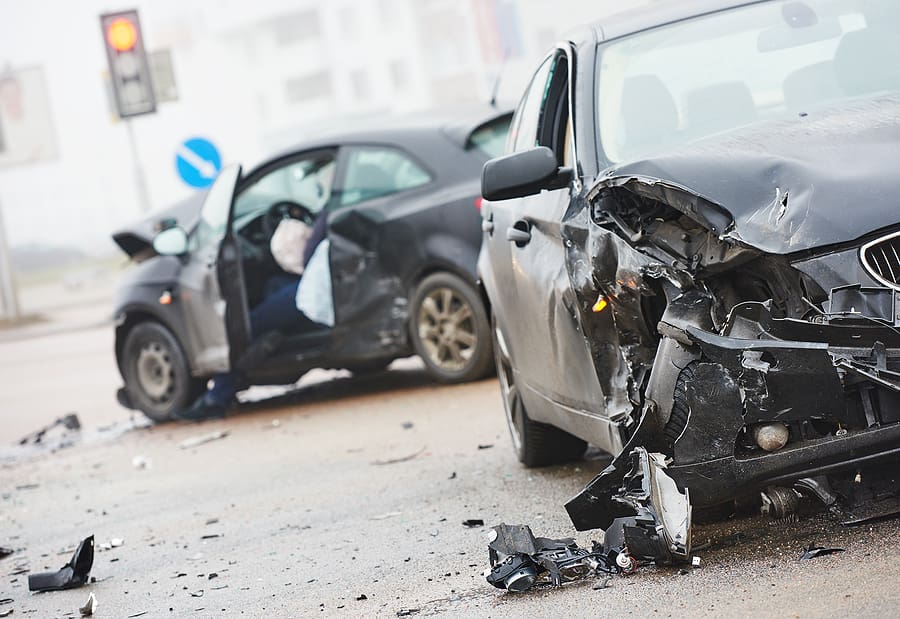
In recent years, Missouri has gained notoriety for the high number of fatal front-end passenger car collisions, recording 1,622 such incidents, which places it at the 10th position nationally. This statistic draws attention not only from traffic safety advocates but also from lawmakers and the general public, underlining the critical need for comprehensive measures to improve road safety.
Front-end collisions are often among the deadliest types of accidents, particularly because they frequently involve significant impacts at high speeds. Factors contributing to these accidents can range from distracted driving—such as texting or using mobile devices—to fatigue, impaired driving due to alcohol or drugs, and poor weather conditions. Additionally, Missouri’s unique geography, which includes both urban and rural roads, presents varied challenges for drivers. Urban areas may lead to higher instances of congestion and aggressive driving, while rural regions could facilitate higher speeds and fewer immediate medical resources following an accident.
The implications of these statistics extend beyond the grim numbers; they represent lives lost, families shattered, and communities affected. Each fatality accounts for not only the immediate tragedy but also potential long-term repercussions for families and friends left to cope with the aftermath. For authorities, these numbers prompt increasing scrutiny regarding traffic laws, regulations surrounding vehicle safety features, and public awareness campaigns focused on responsible driving.
In response to these alarming statistics, various initiatives have been proposed and enacted in Missouri. Law enforcement agencies, along with traffic safety organizations, are ramping up efforts to promote safe driving practices. This includes educational programs targeting young and inexperienced drivers, who are often more susceptible to the temptations of distracted and reckless driving. Furthermore, campaigns emphasizing the importance of seat belt usage, proper vehicle maintenance, and awareness of road conditions are critical in reducing the number of fatal collisions.
Moreover, technological advancements in vehicle safety also play a significant role in combating the crisis. Features like automatic emergency braking, lane departure warnings, and adaptive cruise control are increasingly being integrated into new vehicles. Encouraging consumers to invest in these technologies can contribute to reducing the risk of accidents.
In conclusion, Missouri’s ranking of 10th nationally for fatal front-end passenger car collisions serves as a clarion call for immediate action. Emphasizing the importance of legislative involvement, community education, and vehicle safety innovations may help mitigate this growing issue. Ultimately, it requires a collective effort from all sectors of society to strive for safer roadways and to honor the memories of those tragically lost to preventable accidents.
For more details and the full reference, visit the source link below:
