
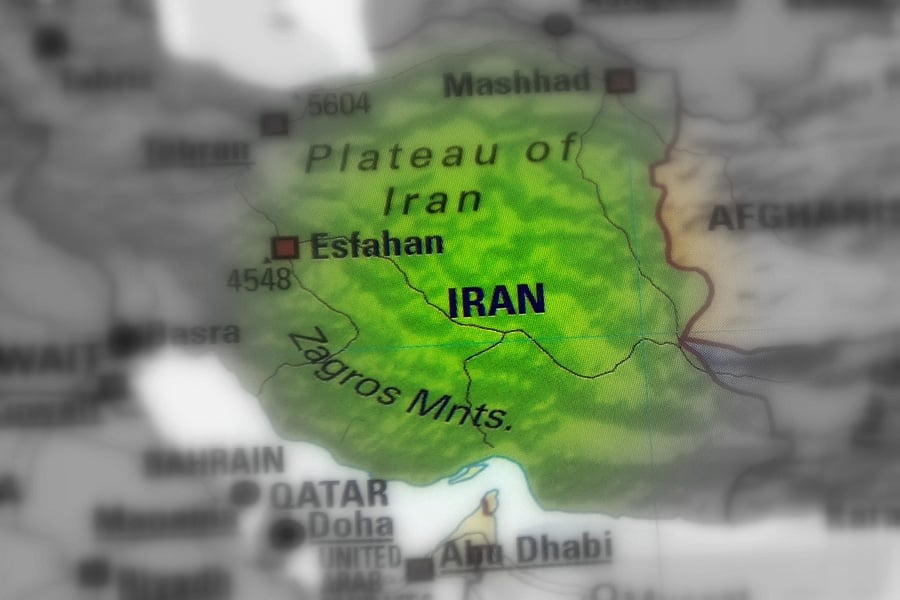
Misreading the map of Iran’s military strategy often leads observers to a fundamental misunderstanding of its objectives and tactics. Many analysts frame Iran’s military posture within the context of conventional warfare, assuming that its ultimate goal is to emerge victorious in a full-scale conflict against traditional state actors like Israel or the United States. However, this perspective overlooks the complexity and nuance of Iran’s approach to military engagement.
At its core, Iran’s military strategy is deeply intertwined with asymmetric warfare, often relying on unconventional tactics rather than engaging in outright conventional confrontations. This is evident in its use of proxy militias, cyber warfare, and technological advancements in unmanned systems, which allow it to project power without the costs and risks associated with traditional military engagements. By cultivating relationships with groups like Hezbollah and various militias across the Middle East, Iran has effectively created a network of influence that extends its reach while minimizing direct confrontation. These proxies can act on Iran’s behalf, creating pressures on adversaries while providing plausible deniability.
Additionally, Iran’s historical context plays a significant role in shaping its military strategy. The Iran-Iraq War of the 1980s instilled a deep-seated belief in the necessity of resilience and the importance of an unorthodox approach to warfare. The lessons learned from that brutal conflict fostered a military doctrine focused on endurance and attrition rather than outright victory. This reflects an understanding that the objective is not simply to win battles, but to survive and sustain influence over the long term.
Iran’s military objectives are often more about deterrence and regional hegemony than conquest. Maintaining strategic depth—a concept that embodies the idea of creating buffer zones and zones of influence—allows Iran to counteract the encroachment of its adversaries. The development of ballistic missile capabilities serves this purpose, ensuring that even if not engaged conventionally, Iran can still pose a formidable threat to its rivals.
Moreover, in the age of information warfare, Iran adeptly uses propaganda and narrative framing to shape perceptions both internally and externally. By portraying itself as a bastion of resistance against Western imperialism, Tehran solidifies its legitimacy among its populace and garners support across the region.
In conclusion, Iran’s military strategy is not about winning a conventional war in the traditional sense. Instead, it reflects a comprehensive approach focused on asymmetric capabilities, enduring resilience, and regional influence. Understanding these elements is crucial for grasping Iran’s behavior on the world stage, particularly in an era where conventional metrics of military success are being reevaluated.
For more details and the full reference, visit the source link below:
Read the complete article here: https://www.stl.news/misreading-the-map-why-irans-military-strategy/
