
Is Trump Tough on China? A Closer Look at U.S. Policy and Global Strategy
Former President Donald Trump’s approach to China has been characterized as one of the most aggressive stances taken by a U.S. president in recent history. His administration highlighted a multifaceted strategy aimed at addressing longstanding trade imbalances, intellectual property theft, and the broader geopolitical competition between the two nations.
At the core of Trump’s China policy was the imposition of tariffs. Starting in 2018, Trump initiated a series of tariffs on Chinese goods, totaling hundreds of billions of dollars. This move was aimed at reducing the trade deficit and pressuring China to change its trade practices. The tariffs were received with mixed reactions; some American industries benefitted from protectionist measures, while others, particularly those reliant on Chinese imports, faced increased costs, which were ultimately passed on to consumers.
Moreover, Trump’s administration took a strong stance against what it characterized as unfair trade practices, particularly intellectual property theft. The U.S. Trade Representative’s Office outlined specific grievances, asserting that Chinese policies forced American companies to transfer technology to gain access to the growing Chinese market. By invoking mechanisms like the Section 301 investigation, the Trump administration sought to hold China accountable for these practices, aligning national economic interests with broader strategic objectives.
Beyond trade, Trump’s foreign policy marked a shift in how the U.S. viewed China. He labeled China as a strategic competitor and often framed the relationship in zero-sum terms. In security matters, the administration intensified military operations in the Indo-Pacific region and strengthened alliances with countries like Japan, Australia, and India, emphasizing a counterbalance to China’s growing military assertiveness.
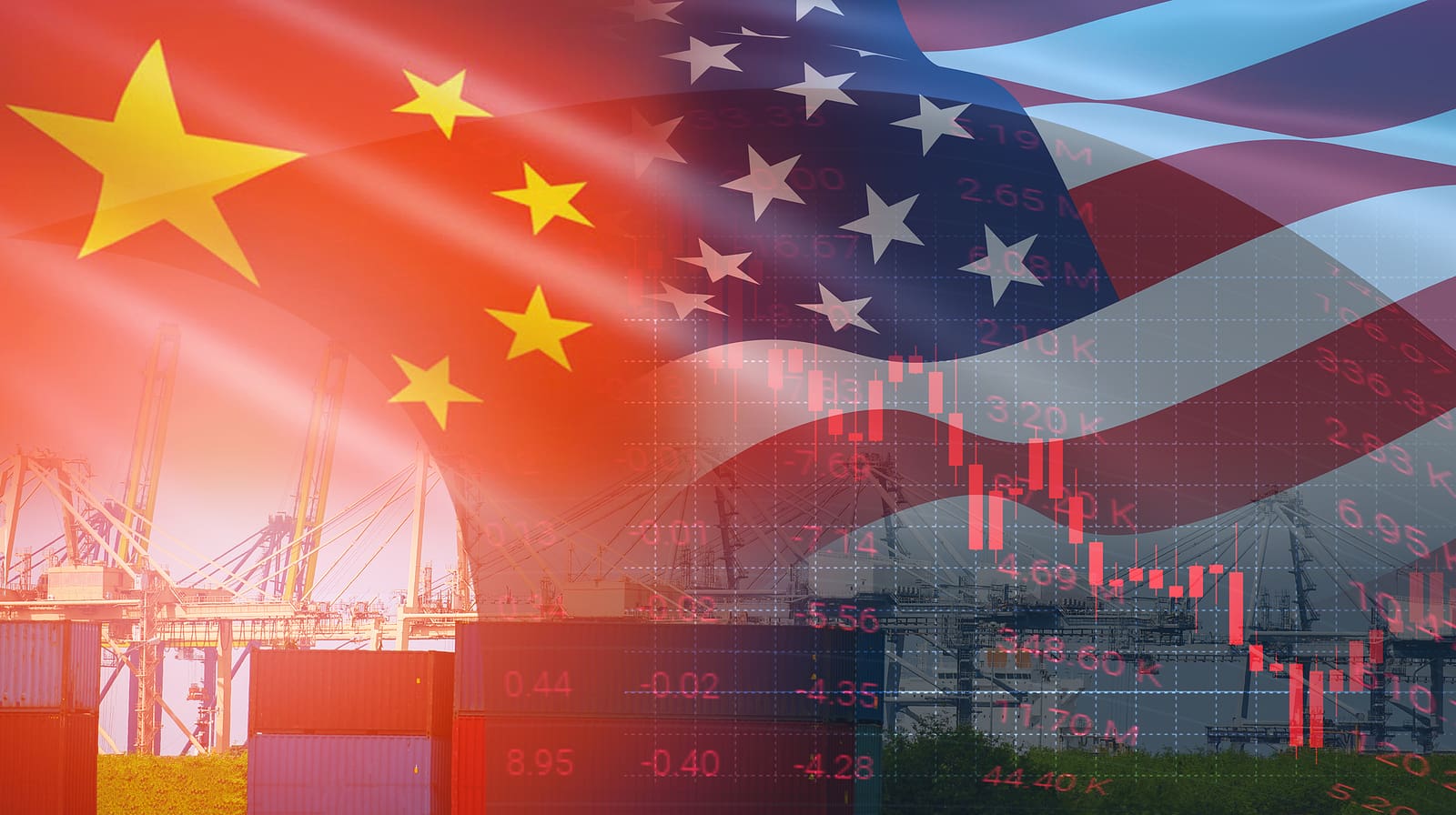
The trade war, however, came with consequences. While aimed at curbing China’s practices, it also led to economic uncertainty both in the U.S. and globally. Markets reacted to the unpredictability of negotiations, and agricultural sectors, reliant on exports to China, experienced significant setbacks. Critics of Trump’s approach argued that the tariffs largely hurt American consumers and businesses more than intended.
In summary, Trump’s administration positioned the U.S. as tough on China, emphasizing direct confrontations through tariffs and strategic partnerships. The long-term effectiveness of these policies remains a matter of debate. While the approach aimed to redefine U.S.-China relations, the complexity of economic interdependence and geopolitical dynamics means the legacy of this policy will continue to be scrutinized in the years to come. The question of whether a tough stance yields lasting results in addressing the challenges posed by China persists, inviting further analysis as international relations evolve.
For more details and the full reference, visit the source link below:
