
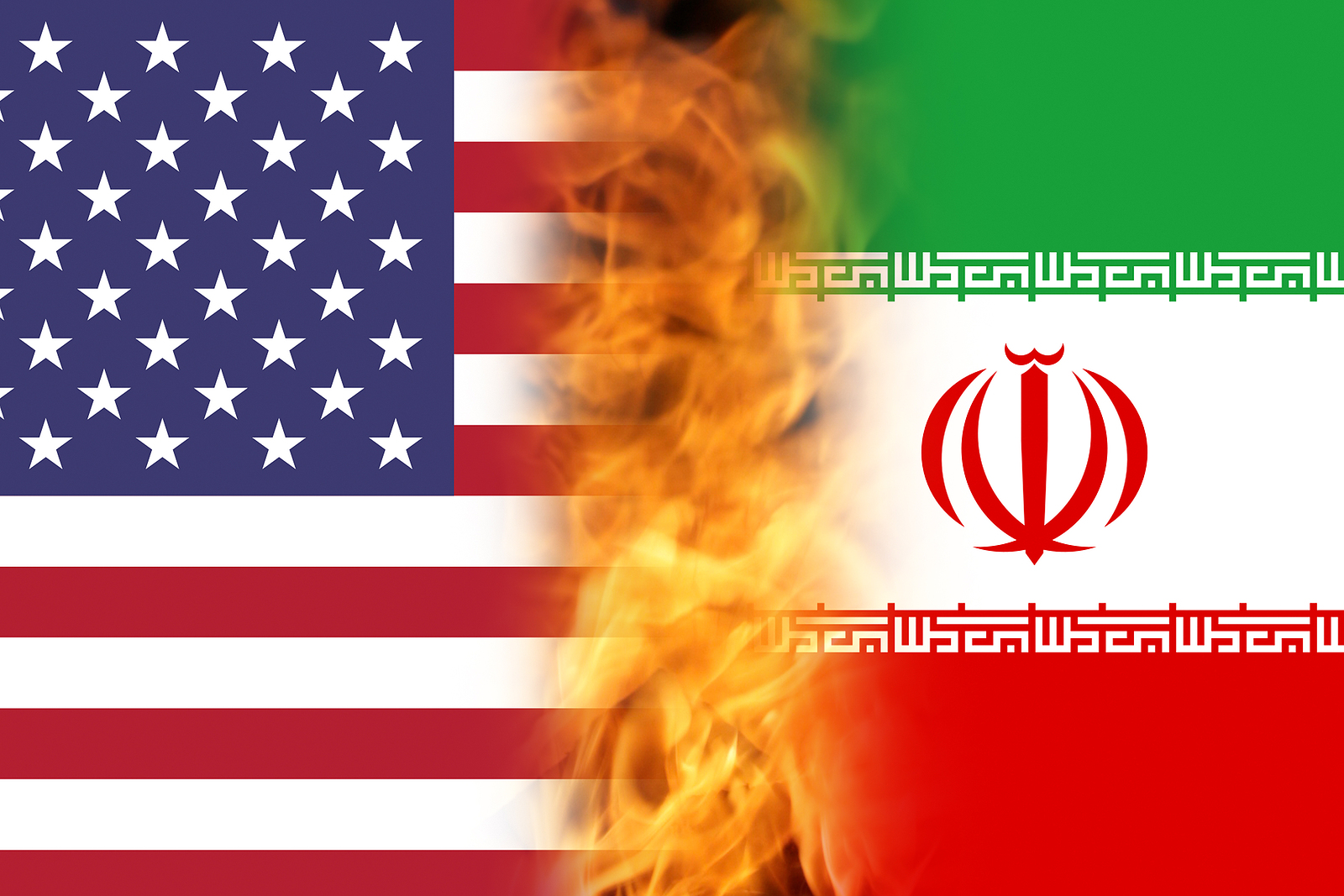
Iran War Escalation 2026: Ceasefire Under Pressure as Strait of Hormuz Tensions Surge
In 2026, the geopolitical landscape surrounding the Strait of Hormuz has become increasingly precarious, marked by heightened tensions that threaten a fragile ceasefire in the region. The Strait, a crucial conduit for global oil shipments, has long been a flashpoint for conflict due to its critical strategic importance. The escalation of hostilities between Iran and allied forces presents a complex challenge, not only for regional stability but also for global energy security.
The tensions began to surge in early 2026 when Iran, facing mounting economic pressure from international sanctions, intensified its military presence in the Gulf region. Iran’s aggressive posturing included the deployment of naval forces and missile systems near the Strait, prompting responses from the United States and its allies, who viewed these actions as direct threats to maritime security. This has resulted in increased military patrols and a show of force by naval fleets from multiple nations, further raising the stakes.
Conflict erupted after a series of skirmishes between Iranian forces and U.S. naval vessels, leading to casualties on both sides. The situation rapidly deteriorated, igniting fears of an all-out war in a region that is already strained by longstanding sectarian divides and territorial disputes. In the aftermath of these incidents, attempts at diplomatic resolution became strained as both parties sought to reaffirm their strength, making negotiation all the more difficult.
Despite the deteriorating situation, a ceasefire was tentatively brokered through the intervention of international mediators, including countries with vested interests in maintaining stability, like Oman and Qatar. However, the tenuous nature of this agreement became apparent as skirmishes continued, showing that underlying tensions remained unresolved. The fragile ceasefire is constantly under pressure, with each minor incident threatening to unravel months of diplomatic efforts.
The implications of this escalating conflict extend beyond the immediate region. The Strait of Hormuz is a vital passageway through which approximately 20% of the world’s oil supply flows. Any disruption to this artery could lead to skyrocketing oil prices, triggering economic ramifications that would be felt globally. Countries dependent on imported oil would face increased energy costs, potentially slowing economic growth and straining relations between energy-dependent nations.
As the world watches the events unfold, the future of the ceasefire appears increasingly uncertain. The potential for miscalculation or unintended escalation remains high, demanding urgent and sustained diplomatic engagement. Without a concerted international effort to address the underlying issues fueling this conflict, the Strait of Hormuz could find itself at the center of a broader and more devastating confrontation. The coming weeks will be critical in determining whether peace can be achieved or if the cycle of violence will resume, plunging the region deeper into chaos.
For more details and the full reference, visit the source link below:
