
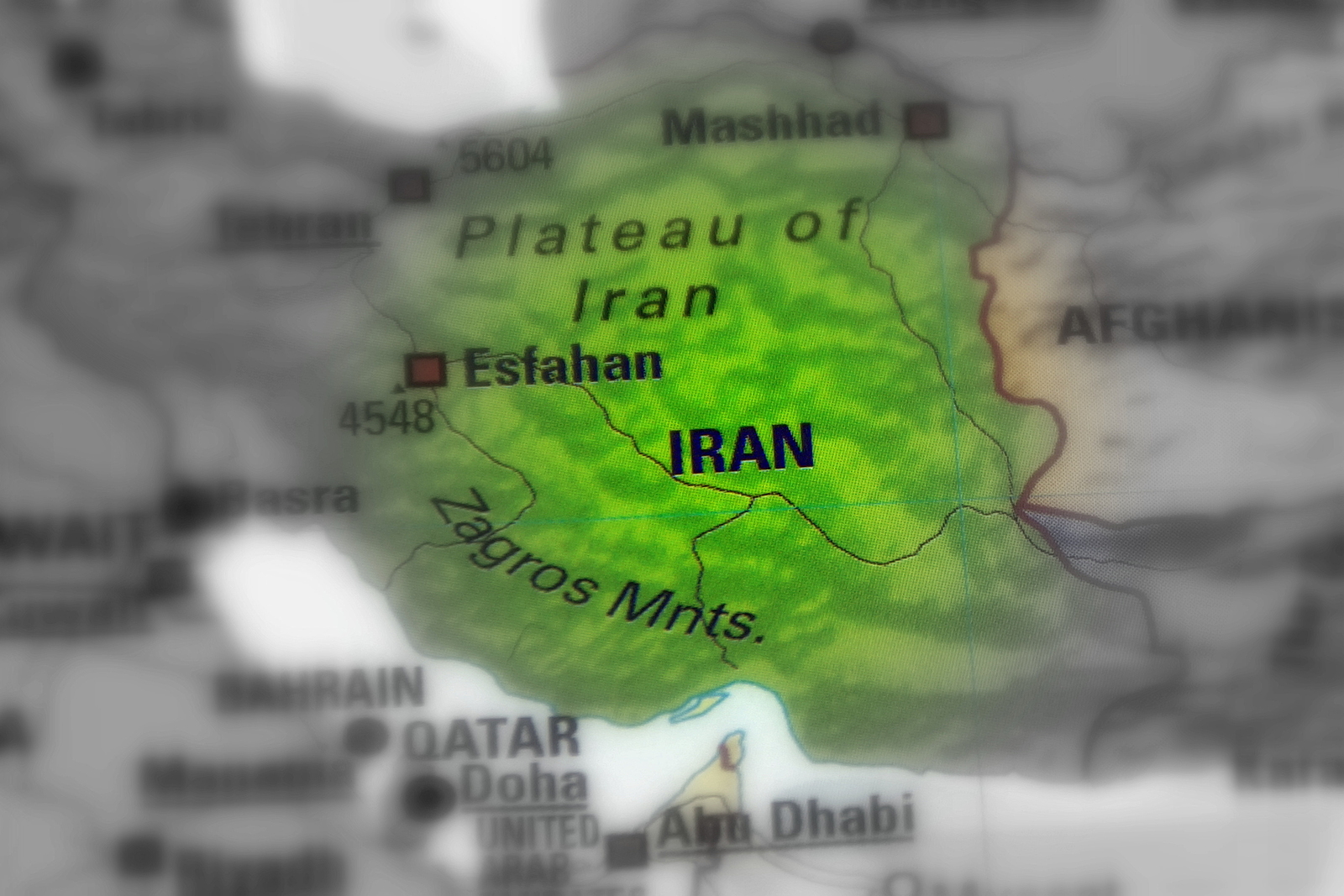
The intersection of biblical prophecy and contemporary geopolitical events often sparks intense debate, especially regarding nations like Iran, which hold significant roles in prophetic discourse. Many individuals cite biblical texts, primarily from the Old Testament and Revelation, to draw parallels between scripture and current events, particularly in the context of war and conflict involving Iran.
One of the most cited prophecies is found in the book of Ezekiel, particularly Chapter 38, which describes a future invasion of Israel by a coalition of nations. This passage identifies “Gog,” often interpreted as a leader from the land of Magog, and associates this figure with the regions that now comprise parts of modern-day Iran and surrounding areas. Proponents of the idea that these prophecies are being fulfilled often point to Iran’s vocal opposition to Israel and its support for groups like Hezbollah and Hamas as evidence of its role in these foretold conflicts.
Additionally, Isaiah 17 mentions the “burden of Damascus,” which some interpret to signal an impending crisis involving Syria, another geopolitical player in the region. Given Iran’s involvement in Syria, particularly through military support for the Assad regime, these connections further the narrative that current events are part of a biblical timeline.
However, while these interpretations can be compelling, they often rest on speculative foundations rather than concrete evidence. Critics argue that many of these claims lack scholarly consensus and can be seen as overly simplistic readings of ancient texts. Biblical prophecy is notoriously complex and open to varying interpretations, meaning that applying them to modern geopolitics can lead to a skewed understanding of both scripture and the current state of affairs.
Moreover, political motivations can influence how biblical prophecy is discussed in public discourse. During periods of heightened conflict, particularly with increased tensions between the U.S. and Iran, some groups may amplify these prophecies to galvanize political bases or justify military action, further complicating the situation.
In conclusion, while there are intriguing overlaps between Iran’s activities and biblical prophecy interpretations, distinguishing between fact and speculation is crucial. Serious scholarship calls for a nuanced approach that recognizes the multifaceted nature of biblical texts as well as the complexities of modern geopolitics. Engaging with both scripture and current events thoughtfully can foster a more balanced understanding, pushing beyond sensationalist narratives to explore deeper implications for peace and reconciliation in a region rife with conflict.
For more details and the full reference, visit the source link below:
Read the complete article here: https://www.stl.news/iran-war-bible-prophecy-claims-whats-fact/
