
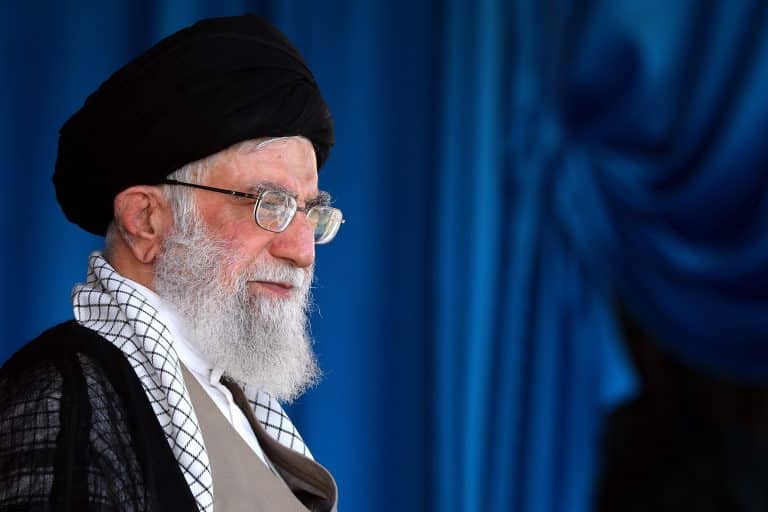
Iran is set to commemorate the late Supreme Leader Ali Khamenei with a funeral scheduled to commence on July 4. Khamenei, who played a pivotal role in shaping Iran’s political landscape since the Islamic Revolution in 1979, passed away after a prolonged illness, sending shockwaves throughout the nation and beyond. His death marks the end of an era, as Khamenei not only led the country as Supreme Leader but also influenced regional dynamics and international relations.
The preparations for the funeral reflect the deep respect Khamenei garnered among his supporters, as well as the complexities surrounding his legacy. The Iranian government has announced a series of ceremonies aimed at honoring the late leader’s contributions to the Islamic Republic, with events planned in major cities, culminating in a significant gathering in the capital, Tehran. The State media has emphasized the importance of unity during this period of mourning, encouraging citizens to participate en masse to pay their respects.
Khamenei’s tenure was characterized by an unwavering commitment to the principles of the Islamic Revolution, which sought to establish a governance system based on Islamic values and Shia teachings. His leadership was marked by significant events, including tensions over Iran’s nuclear program, its stance on regional conflicts, and its relationships with Western powers. Critics of Khamenei have pointed to human rights violations, censorship, and repression of dissent as blemishes on his legacy. However, his proponents view him as a steadfast figure in the face of adversity, particularly against external pressures and sanctions.
As the country prepares for the funeral, there are also discussions about the future of Iran’s leadership. Khamenei’s passing raises questions about the succession process and the potential for change within the political framework. Analysts speculate that the next Supreme Leader will have a substantial impact on Iran’s domestic policies and its approach to international negotiations, particularly regarding nuclear discussions. The balance of power among various factions within the Iranian political landscape will be closely monitored during this transitional period.
In conclusion, Khamenei’s funeral on July 4 marks a significant moment not only for Iran but also for the geopolitical dynamics of the region. The ceremony will serve as a reflection of his enduring influence, both for supporters and critics alike. As the nation mourns, the future remains uncertain, and the implications of Khamenei’s death will resonate in both Iranian society and the wider world for years to come.
For more details and the full reference, visit the source link below:
