
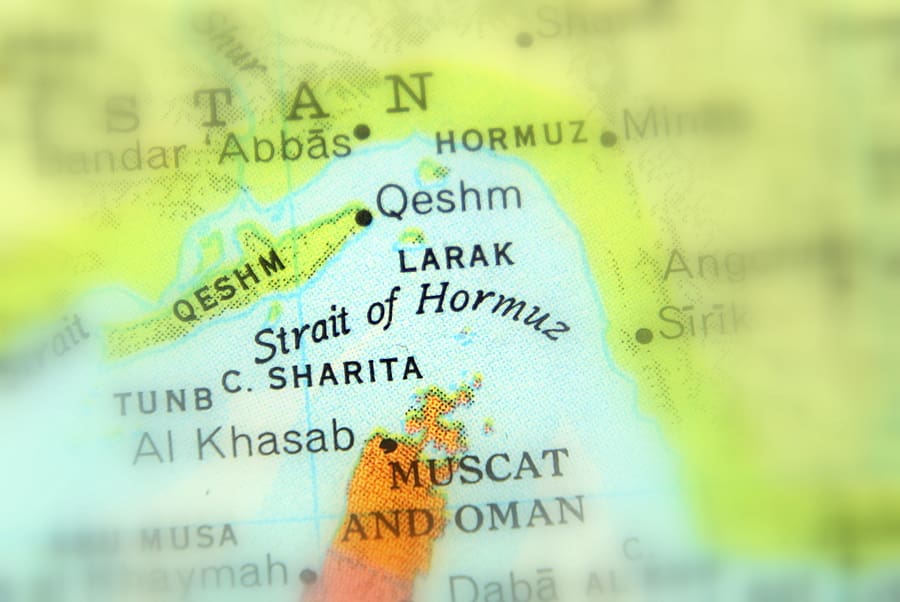
The Strait of Hormuz, a crucial maritime corridor for global oil transportation, has become a focal point of tension in recent geopolitical developments, primarily due to Iran’s assertive actions. This strategic chokepoint, which connects the Persian Gulf to the Gulf of Oman, sees approximately 20% of the world’s oil trade pass through it. Iran’s reassertion of control over this vital waterway is escalating global tensions and raising concerns among major powers.
Iran has long viewed the Strait as a key strategic asset. With regional and international interests in conflict, Tehran’s efforts to assert dominance in this area represent not just a challenge to shipping and energy markets but also an affront to the U.S. and its allies, who maintain significant naval presence in the region. Recent naval exercises conducted by Iran, along with provocative maneuvers—such as the seizure of foreign vessels—underscore its strategic intent to control maritime traffic.
The implications of Iran’s actions are profound. The Strait of Hormuz is vital for oil-exporting nations, especially those in the Gulf Cooperation Council (GCC), including Saudi Arabia and the United Arab Emirates. Iran’s capability to disrupt shipping traffic in this waterway poses risks not only to the price of oil but also to global energy security. Markets reacted swiftly to news of Iran’s assertions, resulting in fluctuations in oil prices, which can have ripple effects across economies dependent on stable energy supplies.
Rising tensions in the Strait also exacerbate existing hostilities between Iran and the United States, as well as between Iran and its regional adversaries. U.S. military presence in the area is partially intended to ensure freedom of navigation and deter Iranian aggression. However, such military posturing can also be seen by Iran as provocation, leading to a cycle of escalation that makes diplomatic solutions increasingly difficult.
Furthermore, Iran’s actions have drawn responses from its regional rivals, who are investing in military enhancements and bolstering alliances, thereby heightening the risk of miscalculations. The presence of multiple naval forces in such a confined space raises the stakes for potential confrontations, which could lead to unintended military engagements.
In summary, Iran’s reassertion of control over the Strait of Hormuz significantly contributes to rising global tensions. The geopolitical landscape is increasingly fraught with danger as nations navigate their interests in a volatile environment. The world watches closely, hoping that diplomatic channels can be leveraged to prevent a slide into broader conflict while recognizing that the Strait of Hormuz remains a flashpoint for global instability.
For more details and the full reference, visit the source link below:
Read the complete article here: https://www.stl.news/iran-reasserts-control-over-strait-of-hormuz/
