
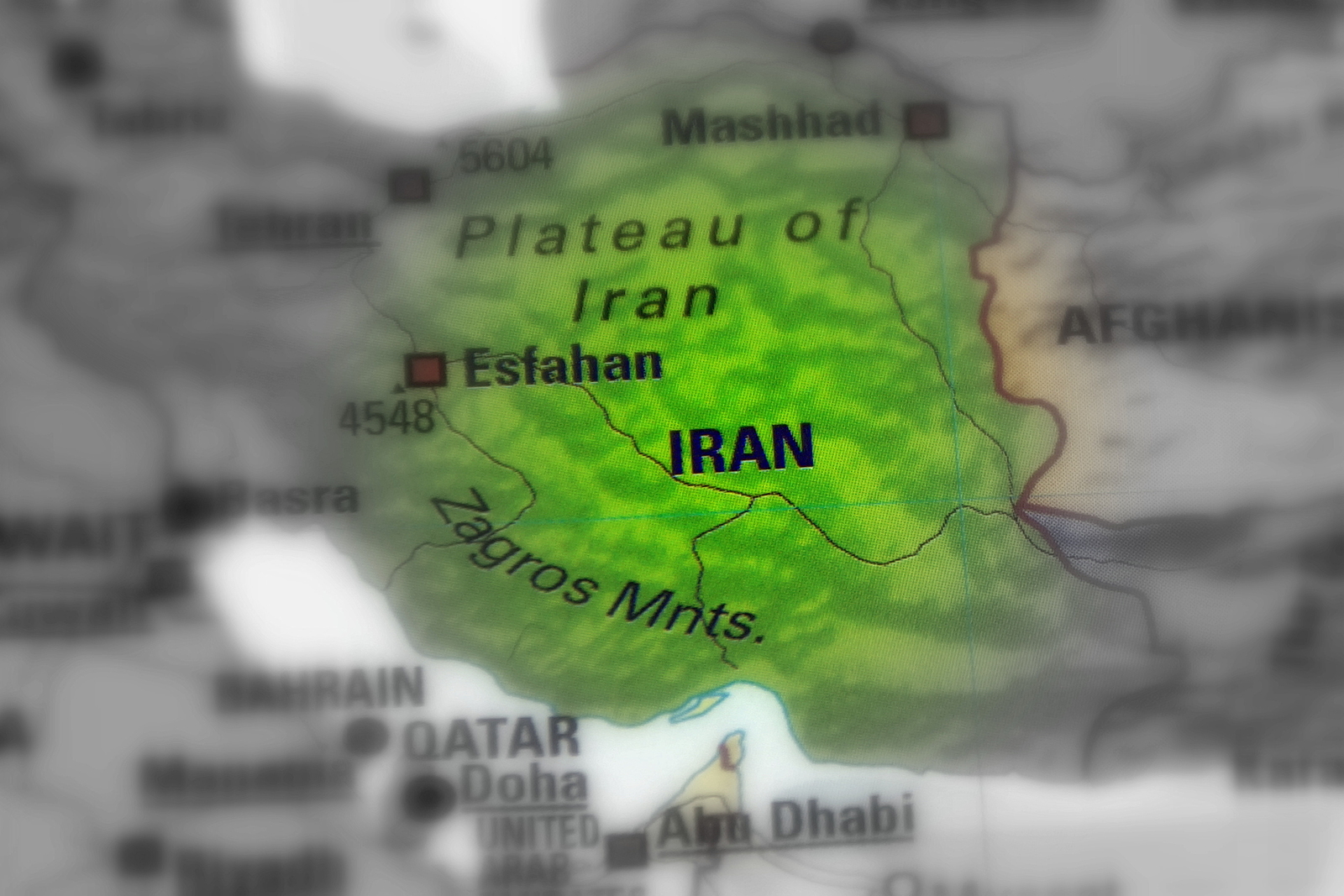
Iran Country Profile
History
Iran, historically known as Persia, boasts one of the world’s oldest continuous civilizations, dating back to the Elamite kingdoms in 3000 BC. It reached its peak under the Achaemenid Empire (c. 550-330 BC), established by Cyrus the Great, which spanned three continents. The following centuries saw the rise and fall of various dynasties, including the Sassanids, and significant influence from the Islamic conquests in the 7th century. Modern Iran was shaped by the Constitutional Revolution in the early 20th century, leading to the establishment of a parliamentary system. The country underwent significant turmoil during the 1979 Islamic Revolution, resulting in the establishment of the Islamic Republic under Ayatollah Khomeini.
Government
Iran’s political structure is uniquely a blend of theocratic and democratic elements. The Supreme Leader, currently Ali Khamenei, holds ultimate authority, controlling the military and judiciary, while the President, elected every four years, manages the executive branch. The Assembly of Experts, the Guardian Council, and the Islamic Consultative Assembly are crucial components of the governance structure. While citizens experience some democratic processes, election candidacies are often vetted by the Guardian Council, which can limit political pluralism and dissent.
Economy
Iran possesses one of the largest reserves of oil and natural gas globally, making energy a crucial component of its economy. Oil revenues account for a significant portion of government income. Despite this wealth, the economy faces significant challenges, including international sanctions, particularly from the U.S., due to its nuclear program. These sanctions have led to high inflation, unemployment, and a reliance on non-oil sectors such as agriculture and manufacturing. Economic reforms and efforts to diversify the economy are ongoing, but political instability complicates these processes.
Culture
Iranian culture is a rich tapestry woven from various influences, including Persian, Arabic, and more recently, Western. The nation is renowned for its contributions to literature, philosophy, and the arts. Persian poets such as Rumi and Hafez are celebrated globally. Traditional Iranian cuisine, characterized by spices and flavors, reflects the country’s geographic diversity. Additionally, Iran is home to numerous UNESCO World Heritage Sites, showcasing its architectural splendor.
Global Influence
Iran plays a significant role in regional politics and is known for its influence in the Middle East through alliances with groups like Hezbollah and its involvement in conflicts in Syria and Iraq. Despite facing widespread criticism over its human rights record and nuclear ambitions, Iran asserts its position as a vital player in geopolitics, often engaging in diplomacy that reflects its aspiration for regional leadership. The nation continues to navigate the complexities of modern statehood while deeply rooted in its historical narratives.
For more details and the full reference, visit the source link below:
