
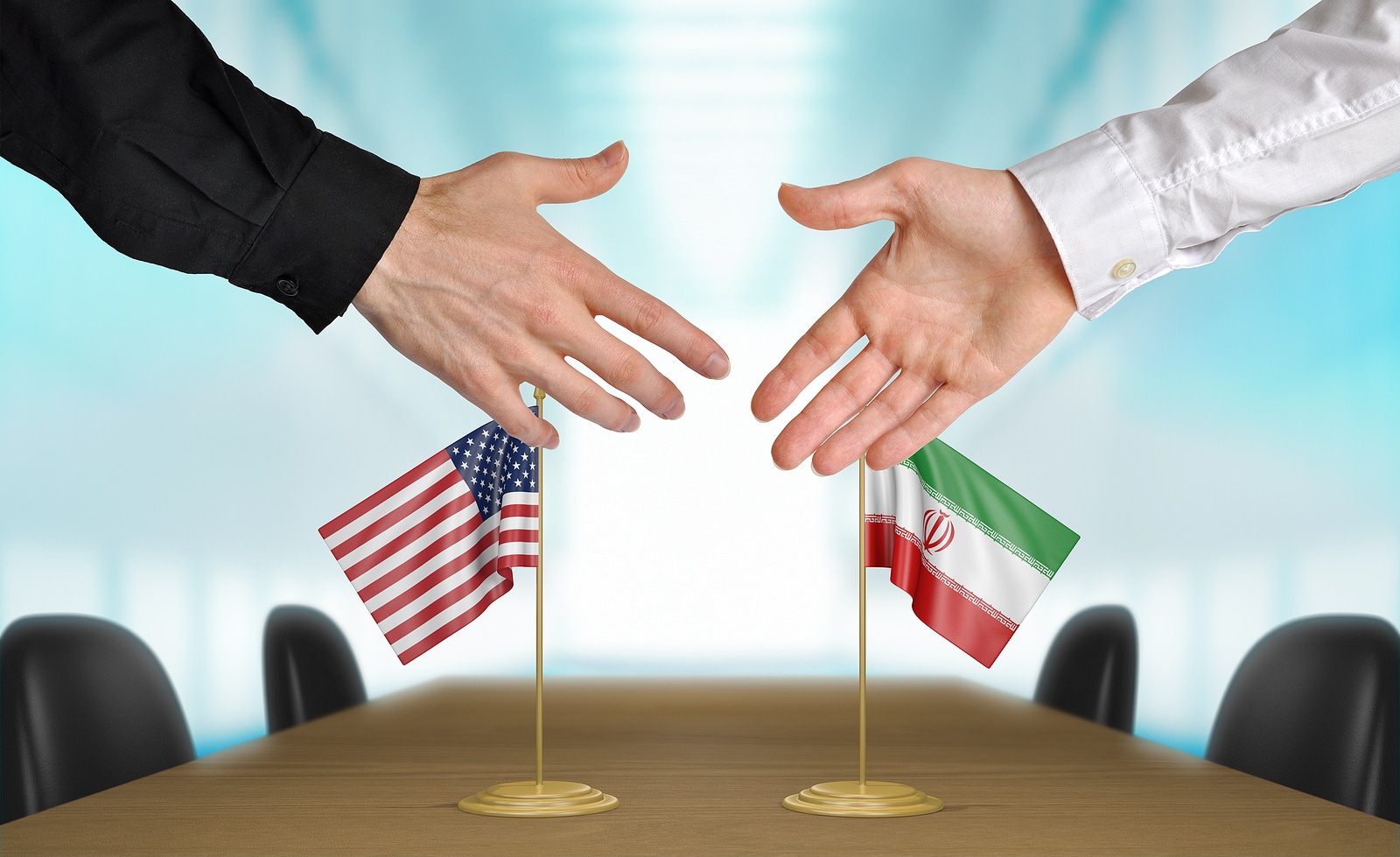
If Iran were to honor a peace agreement, the ramifications for the global economy could be profoundly significant. Historically, Iran’s geopolitical position and its substantial natural resources, particularly oil and natural gas, make it a pivotal player in the energy markets. A peace agreement could encourage a myriad of economic impacts, both regionally and globally.
Firstly, lifting sanctions imposed on Iran could facilitate a resurgence in its oil exports. Prior to sanctions, Iran was among the top crude oil producers in the world. With sanctions lifted, the return of Iranian oil to the market would likely increase global oil supply, which could lead to a decrease in oil prices. Lower oil prices would have ripple effects throughout the world economy, particularly benefitting countries dependent on energy imports. Industries reliant on oil, such as transportation and manufacturing, would see reduced costs, potentially spurring economic growth and enabling companies to allocate resources to expansion and innovation.
Additionally, improved relations with Iran could foster investment opportunities within the country. Foreign direct investment (FDI) in various sectors such as infrastructure, technology, and agriculture could flourish. Investors would be attracted by the potential for growth in a relatively untapped market, driven by a young and educated populace eager for economic development. This influx of investment could lead to job creation, boosting domestic consumption and reinvigorating Iran’s economy.
On a regional level, a peaceful and stable Iran could promote collaboration among Middle Eastern nations. This would facilitate trade agreements, energy partnerships, and conflict resolution, ultimately contributing to a more integrated regional economy. The prospect of a stable Iran could also lead to increased tourism, enriching cultural exchanges and providing new opportunities for surrounding countries.
Moreover, peace in Iran could have implications for global geopolitics, affecting energy security and investment strategies. Countries would reassess their economic ties and partnerships, potentially altering alliances based on newfound stability. The normalization of relations could also lessen tensions in neighboring countries, facilitating greater stability in the Middle East.
However, the economic changes would not be without detractors and challenges. The potential for domestic unrest in Iran, as well as opposition from certain regional powers, could complicate the peace process and its economic outcomes. Nonetheless, should Iran honor a peace agreement, the global economic landscape could see a significant shift towards greater integration and cooperation, with potential benefits echoing beyond the region. In summary, a commitment to peace from Iran could transform the world economy by creating new opportunities for energy and investment, fostering regional stability, and encouraging cooperation in a historically volatile area.
For more details and the full reference, visit the source link below:
