
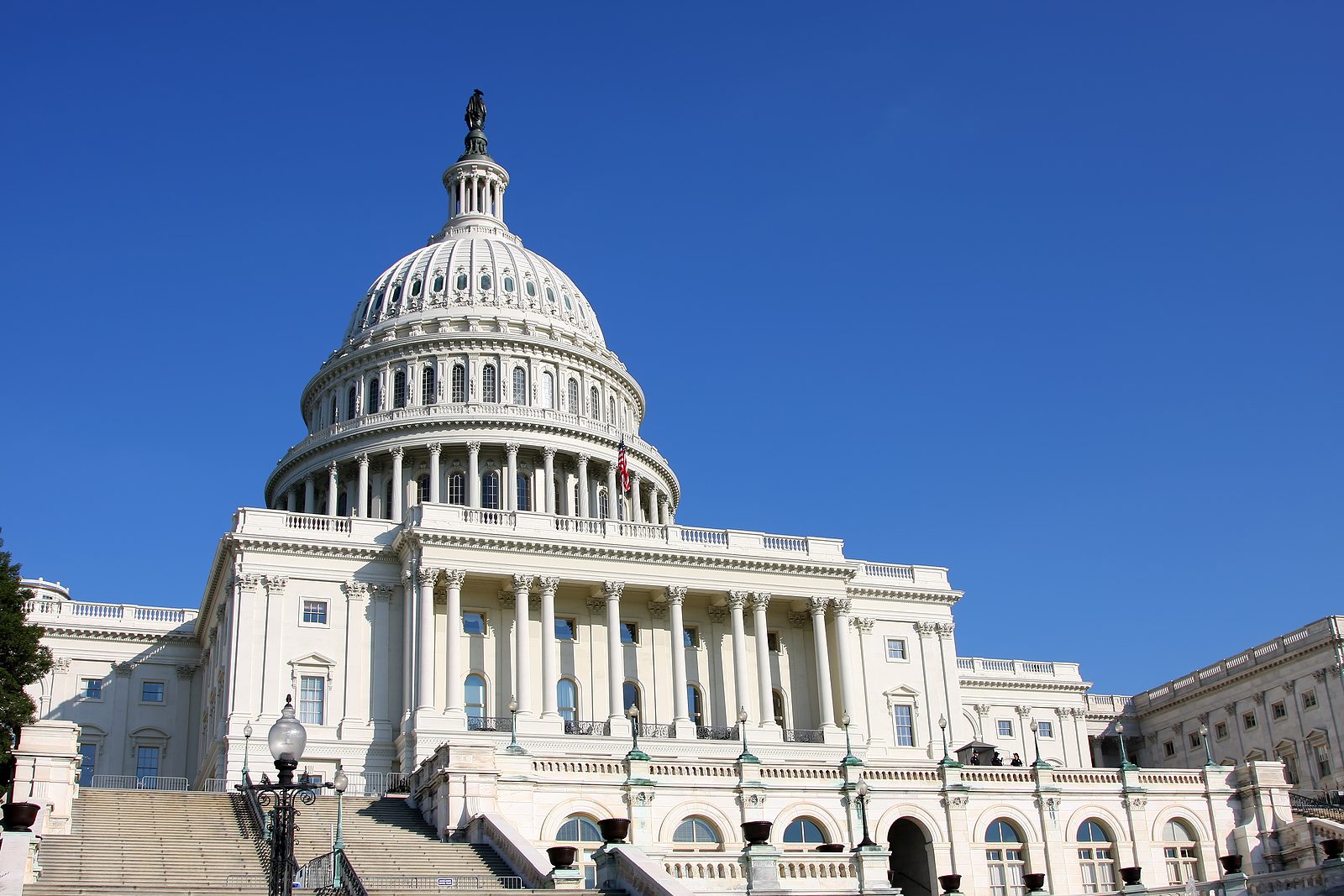
On January 9, 2020, the U.S. House of Representatives passed a significant resolution aimed at curbing President Donald Trump’s military powers concerning Iran, reflecting escalating tensions in the region following the targeted killing of Iranian General Qassem Soleimani. This action underscored Congress’s attempt to assert its constitutional authority over matters of war and military engagement, particularly in a climate where many Americans were concerned about the prospect of war.
The War Powers Resolution, introduced by Representative Elissa Slotkin and co-sponsored by several Democrats, compels the President to halt military operations in Iran within a specified timeframe unless Congress grants explicit approval. The measure passed with bipartisan support, highlighting a collective apprehension regarding unchecked executive power in matters of military conflict—a concern that has emerged prominently since the Iraq and Afghanistan wars.
The resolution’s supporters argue it is essential to reassert Congress’s role in decisions of war and peace, especially considering many lawmakers and citizens were caught off guard by the rapid escalation of hostilities following Soleimani’s assassination. Critics of the President’s approach argue that the action could lead to significant regional destabilization and heighten the risk of open conflict with Iran. The resolution was framed not as a hindrance to presidential authority but as a necessary check to ensure that military actions are undertaken with legislative oversight and democratic accountability.
The backdrop of the House’s decision involved rising anti-American sentiments in Iran, threats of retaliation from Iranian leaders, and fears of potential American casualties in the region. In a polarized political landscape, the vote cut across party lines, as some Republicans joined Democrats to express their concerns regarding the administration’s military strategies. This rare moment of unity reflected a broader discontent with how military engagement decisions have been conducted in recent years, particularly in the context of the War on Terror.
Despite its passage in the House, the resolution was unlikely to be enacted into law due to the Republican-controlled Senate. However, it sent a robust message of the legislative branch’s intent to reclaim its role in discussions regarding military engagement. As the situation unfolded, it prompted a national discourse about the implications of military action, the need for transparency in foreign policy, and the enduring question of how much military power should reside in the executive branch.
In a global landscape fraught with uncertainty, the House’s resolution signifies an effort to ensure future military actions align with democratic principles, emphasizing that discussions of war should involve the voices of the people, represented through their elected officials. As tensions with Iran continue, the balance of power between the presidency and Congress will remain a critical centerpiece in American governance.
For more details and the full reference, visit the source link below:
