
Global Economy Update: Iran War Pressures Growth and Fuels Inflation Fears
The global economy is navigating turbulent waters as geopolitical tensions, particularly the ongoing conflict in Iran, exert significant pressure on growth prospects and stoke inflationary fears worldwide. The situation in the Middle East, marked by rising hostilities and potential escalations, has far-reaching implications that ripple through financial markets and global supply chains.
As the conflict intensifies, energy prices, particularly oil, have seen notable fluctuations. Iran is a major oil producer, and any disruption in its production or exports can lead to a tightening of global oil supplies. Recent reports indicate that crude oil prices have surged, driven by apprehensions over supply chain disruptions. For many economies already grappling with high inflation rates, this spike poses additional challenges. Countries highly reliant on oil imports may face intensified costs that translate into higher consumer prices, exacerbating the inflationary environment.
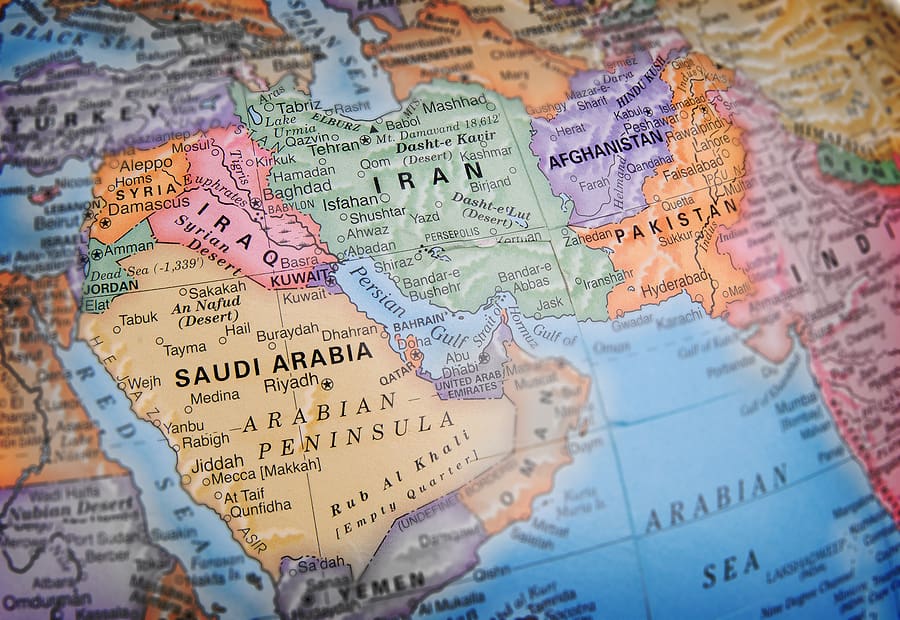
In addition to energy concerns, the war in Iran has implications for trade routes and logistics. The Strait of Hormuz, a crucial shipping lane for global oil transport, becomes a focal point amid rising tensions. Should conflict disrupt this vital passage, the consequences could extend beyond energy prices to impact trade in various goods and commodities, potentially leading to further economic dislocation.
Countries around the world are responding with a mix of caution and strategic adaptation. Central banks are faced with the delicate balancing act of controlling inflation while supporting economic growth. In many regions, policymakers are wary of raising interest rates too aggressively for fear of stifling recovery. In contrast, sustained high inflation could compel central banks to act more decisively, deepening the economic malaise.
Emerging markets are particularly vulnerable to these developments. Many of them rely heavily on energy imports and are experiencing external pressures that can lead to currency depreciation. This, in turn, exacerbates inflation as the costs of imported goods rise, impacting consumer purchasing power and household budgets. Furthermore, rising food prices—often tied to energy costs—can lead to social unrest, as populations grapple with worsening living conditions.
Corporate sentiment is also shifting. Businesses are increasingly cautious in their investment planning, reflecting uncertainties about the global economic outlook. Disruptions in the supply chain, driven by geopolitical tensions, have prompted many companies to rethink their sourcing strategies and explore localized production options.
In summary, the conflict in Iran presents a multifaceted challenge to the global economy, intertwining issues of growth and inflation. As nations grapple with these pressures, the path to stabilization appears fraught with complexities, requiring careful navigation by policymakers and businesses alike.
For more details and the full reference, visit the source link below:
