
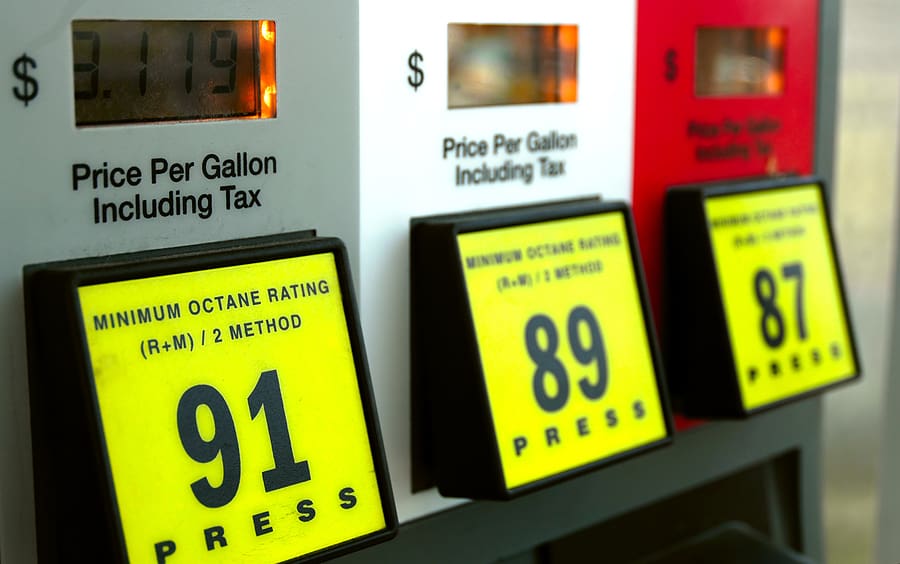
Gas Prices Surge Across the U.S. as Global Tensions Shake Energy Markets
In recent weeks, gas prices in the United States have surged dramatically, prompting widespread concern among consumers and policymakers alike. As global geopolitical tensions rise, particularly in oil-rich regions, the ramifications are being felt directly at the pump. This spike in gas prices exemplifies how interconnected our global economy is, especially regarding energy markets.
A confluence of factors is contributing to this surge. First and foremost, the ongoing conflict in critical oil-producing areas has led to a significant reduction in output. Countries involved in these conflicts may either experience disruptions due to warfare or implement strategic cuts to production. For instance, tensions in the Middle East—a pivotal region for oil supplies—have historically influenced prices. With any hint of instability, traders become jittery, often leading to immediate price hikes.
In addition, sanctions imposed on certain nations have further exacerbated the supply crunch. As major economies attempt to exert pressures or punish certain regimes, the ripple effects across global energy markets become apparent. When supply tightens, prices increase, and the higher costs inevitably filter through the system, leading consumers to pay more at the gas station.
Moreover, there’s been a significant uptick in demand as the world emerges from the COVID-19 pandemic. As economies reopen, the appetite for energy has surged, putting additional pressure on already strained supply chains. This dynamic creates a perfect storm where rising demand meets dwindling supply, resulting in amplified price increases.
The recent price jump has not only affected consumers but also sparked concern among government officials. Many high-ranking politicians are calling for a multi-faceted approach to mitigate these price hikes. Proposals include tapping into strategic reserves, investing in alternative energy sources, and pushing for more aggressive energy policies that could help stabilize prices in the long run.
As Americans face higher fuel prices, the implications extend beyond just transportation costs. The effects ripple throughout the economy, impacting everything from the cost of goods to inflation rates. Higher gas prices often lead to increased costs of goods, as transportation becomes more expensive for businesses. This can lead to an overall rise in the cost of living, creating further economic strain for households already grappling with inflationary pressures.
In conclusion, the surge in gas prices across the U.S. reflects a complex interplay of global dynamics. As geopolitical tensions linger and the energy landscape shifts, how Americans adapt to these economic challenges will be crucial. Both consumers and policymakers must navigate this turbulent environment, potentially reshaping the energy conversation in the years to come.
For more details and the full reference, visit the source link below:
