
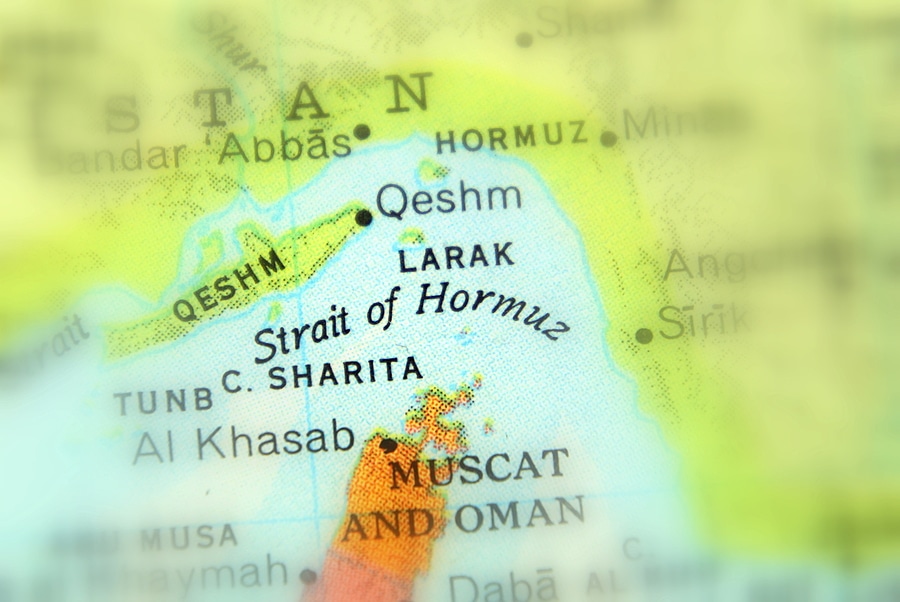
Fragile Peace Shattered: Iran Re-Closes Strait of Hormuz Citing Ceasefire Breaches
The Strait of Hormuz, a crucial waterway for global oil transportation, has long been a hotspot for geopolitical tensions. In recent months, a fragile peace appeared to settle in the region, as stakeholders engaged in diplomatic negotiations to address longstanding disputes over maritime security and territorial integrity. However, this tentative calm was shattered when Iran announced the re-closure of the strait, citing several breaches of the ceasefire agreement established in prior negotiations.
The announcement sent shockwaves through international markets, raising fears of escalating tensions that could impact global oil prices significantly. Approximately 20% of the world’s oil passes through the Strait of Hormuz, making its security essential not just for the Gulf nations but for the entire global economy. The Iranian government, having initially expressed a willingness to uphold the ceasefire and engage constructively with international partners, has now taken a hardline stance. This shift is attributed to what Tehran describes as persistent provocations and transgressions by foreign entities in the region, particularly by naval forces from the United States and allied nations.
Analysts have pointed out that the underlying causes of these tensions are multifaceted. While the immediate trigger for Iran’s decision may have been specific military incidents, the broader context includes historical grievances, national security concerns, and the struggle for influence among regional powers. Iran accuses foreign naval operations of undermining its sovereignty and destabilizing the delicate balance of power in the Gulf. Such actions have led to a swift and dramatic response from the Iranian leadership, who view the security of the Strait as non-negotiable.
The closure raises questions about the potential for escalation and the role of external powers. The U.S. has reiterated its commitment to ensuring freedom of navigation in the strait, warning against aggressive actions that could further inflame tensions. This could lead to a dangerous confrontation, especially if military assets are mobilized on both sides. The international community, including institutions like the United Nations, has been urged to mediate and encourage dialogue to prevent a complete breakdown of peace in the region.
In conclusion, Iran’s abrupt decision to re-close the Strait of Hormuz exemplifies the fragility of peace in a region marked by historical conflicts and competing interests. As various stakeholders reassess their positions, the world watches closely, aware that the consequences of this latest development could resonate far beyond the Gulf. The urgent need for diplomatic engagement has never been clearer, as the risk of a broader conflict looms on the horizon.
For more details and the full reference, visit the source link below:
