
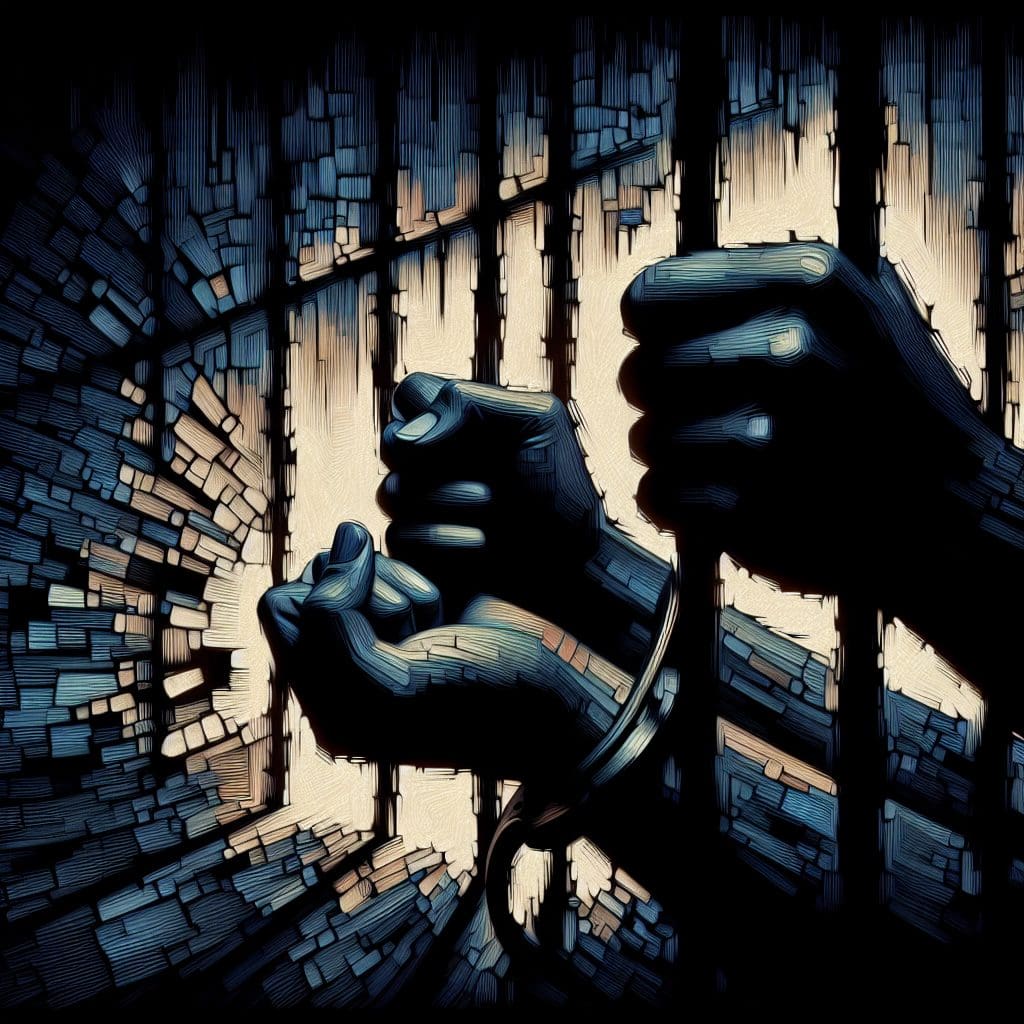
Fear, arrests, and oppression deeply shape the everyday lives of Iranians, particularly in the context of ongoing political and social conflicts. In a country where dissent is often met with swift retribution, the atmosphere of fear is palpable. Citizens navigate their daily routines with a heightened sense of caution, aware that expressing dissent or criticizing the government can lead to severe consequences, including arbitrary arrests and imprisonment.
For many Iranians, fear manifests not just on a political level but also in social interactions. Friends and families often self-censor their conversations, avoiding topics that might be deemed politically sensitive. This pervasive anxiety fosters a culture of silence, where people are reluctant to voice their opinions, fearing surveillance or repercussions from the authorities. The Iranian government’s history of crackdowns on protests and civil liberties exacerbates this environment of mistrust and caution.
Arrests of activists, journalists, and ordinary citizens for peaceful expression are regular occurrences in Iran. These detentions disrupt lives and communities, with families often left in turmoil as loved ones are taken away for questioning or imprisonment. The uncertainty surrounding these arrests creates a climate of despair. Many individuals who have been arrested find themselves grappling with psychological trauma long after their release, reflecting the lasting effects of state violence on mental health.
Oppression also permeates various aspects of daily life, including economic opportunities and social freedoms. State policies often disproportionately affect marginalized groups, leading to systemic inequalities that further alienate populations. Women, ethnic minorities, and religious dissidents face heightened scrutiny, limiting their access to education, job opportunities, and basic civil rights. This systemic oppression contributes to a cycle of poverty and despair, reinforcing the divide between the government and its citizens.
In public spaces, the presence of security forces serves as a constant reminder of the state’s power. Demonstrations and gatherings are often met with violent crackdowns, with riot police enforcing order in ways that instill fear among potential participants. The prospect of facing harassment or violence for simply voicing a viewpoint discourages many from engaging in activism, stifling democratic progress.
Despite these challenges, resilience exists among the Iranian populace. Many citizens find ways to resist oppressive measures, often through art, literature, and underground networks. The struggle for civil rights and personal freedom continues, driven by the hope for a better future.
In summary, fear, arrests, and oppression are not just abstract concepts in Iran but practical realities that affect the daily lives of its people. As Iranians navigate this complex landscape, their resilience serves as a testament to the enduring human spirit in the face of adversity.
For more details and the full reference, visit the source link below:
