
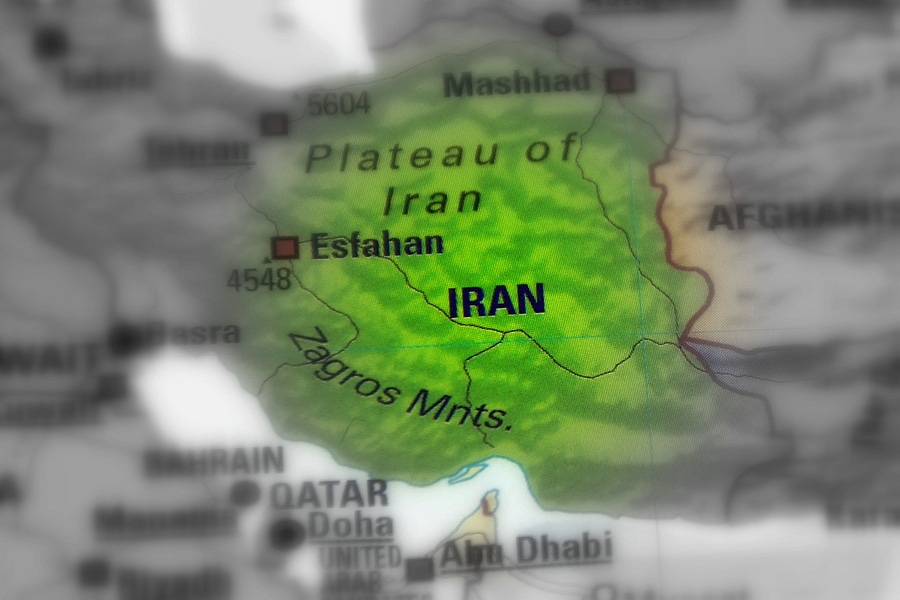
The Strait of Hormuz, a crucial maritime chokepoint, has become a focal point of escalating tensions between Iran and the United States, particularly in light of recent warnings issued by Iranian military commanders. This narrow strait, which connects the Persian Gulf to the Gulf of Oman, is vital for global oil shipments, as it accounts for approximately 20% of the world’s oil trade. Given its strategic importance, any disruptions in this waterway can have far-reaching implications for global energy markets and international relations.
In recent months, Iran has intensified its rhetoric against U.S. naval presence in the region. Iranian military officials have issued stark warnings that any perceived violations of their territorial waters or provocations by U.S. naval vessels will not be tolerated. This stance reflects Iran’s broader strategy of asserting its sovereignty and showcasing its military capabilities amidst ongoing tensions stemming from its nuclear program and regional activities.
U.S. military presence in the Gulf is aimed at ensuring freedom of navigation and countering Iranian influence, yet it has been met with fierce resistance from Tehran. The U.S. has consistently bolstered its naval fleet in the region, conducting operations to secure maritime routes and maintain stability. However, these actions have been interpreted by Iran as acts of aggression, leading to a volatile cycle of provocation and warning.
In addition to military posturing, these tensions have economic implications, particularly regarding oil prices. The threat of conflict or restricted navigation has the potential to drive oil prices higher, affecting global economies already strained by inflation and supply chain disruptions. The reliance on this key maritime corridor underscores how localized tensions can spark broader economic repercussions.
Diplomatic efforts to alleviate these tensions have been uneven, complicating the potential for a peaceful resolution. The aftermath of the U.S. withdrawal from the Joint Comprehensive Plan of Action (JCPOA) has led to an escalation of hostilities, with both sides adopting hardline positions. Iran’s military statements are often accompanied by demonstrations of military prowess, signaling a deterrent message to the U.S. and its allies.
As the situation evolves, the international community watches closely, mindful that any miscalculation in the Strait of Hormuz could result in a significant escalation of conflict. The complex interplay of national interests, regional alliances, and global energy dependencies will continue to shape the dynamics in this critical region. In the face of these rising tensions, diplomatic avenues remain essential to avoid a confrontation that could have severe consequences for both regional stability and global economic security.
For more details and the full reference, visit the source link below:
