
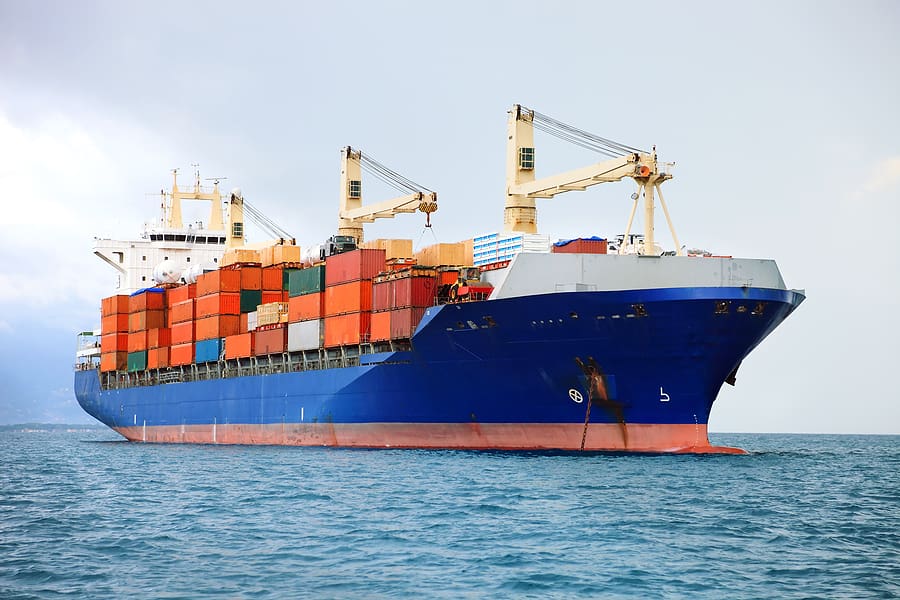
The Central Command (CENTCOM) has recently asserted U.S. dominance over the strategic Hormuz Strait, a vital maritime corridor for global oil transportation, amidst heightened tensions resulting from ongoing conflicts involving Iran. The Hormuz Strait, situated between Oman and Iran, is a critical chokepoint where approximately 20% of the world’s oil passes through daily. The U.S. military presence in this area has been emphasized as a deterrent against Iranian aggression, particularly as Iran has increasingly been perceived as a destabilizing force in the region.
U.S. officials have underscored that naval operations in the Strait are designed to ensure the safe passage of vessels and to uphold international shipping norms. As Iran conducts military exercises and threatens to obstruct shipping routes, the U.S. has responded by deploying additional resources, including aircraft carriers and naval forces, to reinforce its commitment to safeguarding these crucial waterways. CENTCOM’s declarations highlight not only the U.S. military’s capabilities but also its intention to deter Iranian provocations with a show of force and readiness.
The implications of CENTCOM’s dominance are far-reaching, both regionally and globally. Access to oil and energy supplies is critical for many nations; thus, any disruption in this area can trigger price volatility and impact global markets. The U.S. commitment to maintaining freedom of navigation is thus seen as a stabilizing factor in an increasingly unpredictable geopolitical landscape. Moreover, it places pressure on Iran, which has faced numerous sanctions and isolation due to its nuclear aspirations and aggressive regional behavior.
Critics of U.S. policy in the region argue that such a show of force could exacerbate tensions and provoke confrontations rather than lead to diplomatic resolutions. Iran has vowed to challenge U.S. naval presence, viewing it as an infringement on its sovereignty and a threat to its national interests. This cycle of escalation raises concerns about potential miscalculations that could lead to armed conflict.
In responding to these developments, the U.S. has engaged in diplomatic efforts alongside its military posture, aiming to garner support from allies in the region and beyond. Countries like Saudi Arabia and the United Arab Emirates, who also have vested interests in the free passage through the Strait, have expressed solidarity with U.S. initiatives.
Ultimately, CENTCOM’s declaration of U.S. dominance over the Hormuz Strait is not merely a military assertion; it signifies a broader strategy aimed at ensuring both economic stability and regional security while navigating the complex interplay of power and diplomacy in one of the world’s most significant maritime regions.
For more details and the full reference, visit the source link below:
